What Is Myositis Disease? Causes, Types and Symptoms Explained
Discover myositis disease, its causes, types, and symptoms. Gain insights into this inflammatory muscle condition and learn how it affects daily life.

Myositis is a broad term for conditions involving inflammation of skeletal muscle. The idiopathic inflammatory myopathies are autoimmune forms of myositis in which abnormal immune activity causes muscle damage and weakness.
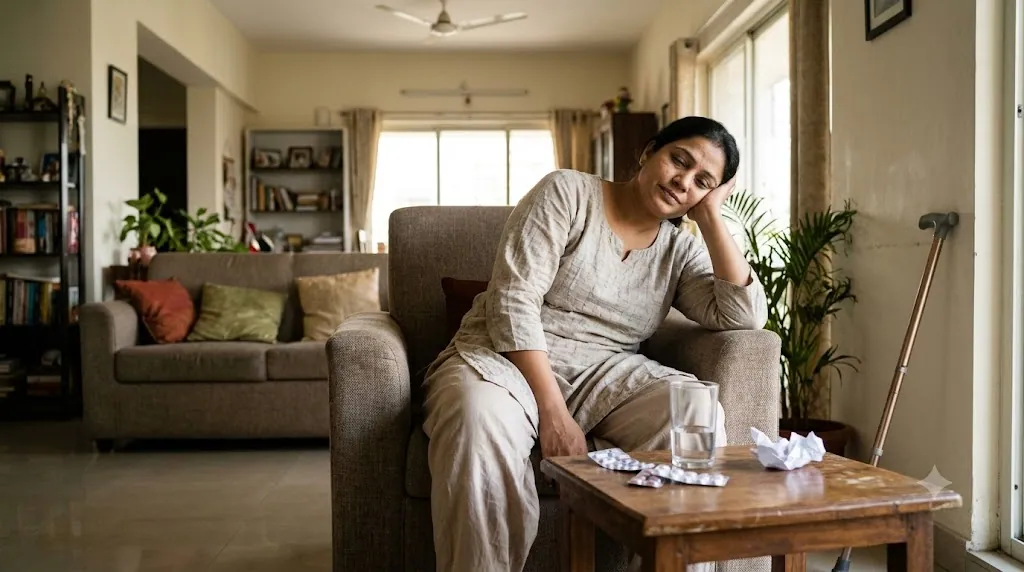
Myositis can make everyday activities such as climbing stairs, getting up from a chair, lifting objects or combing the hair difficult. Some forms can also affect the skin, lungs or ability to swallow. The symptoms and their severity vary from person to person.
What Causes Myositis?
The exact cause of many chronic forms of myositis is not fully understood. In autoimmune myositis, the immune system attacks healthy tissue by mistake. Genetic susceptibility and environmental triggers may play a role, but no single cause explains every case.
Muscle inflammation can also occur because of infections, injuries or certain medicines. These causes are different from the chronic autoimmune conditions commonly referred to as myositis. This distinction matters because muscle weakness alone does not confirm an autoimmune muscle disease.
What Are the Main Types of Myositis?
The main forms of myositis include:
- Dermatomyositis: Causes muscle weakness and characteristic skin changes, which may include a rash around the eyelids, face, knuckles or other areas.
- Polymyositis: True polymyositis is now considered rare. It typically causes symmetrical proximal muscle weakness without the characteristic rash of dermatomyositis, but doctors must first exclude other inflammatory myopathies such as antisynthetase syndrome, IMNM and inclusion body myositis.
- Inclusion body myositis (IBM): Usually progresses slowly and often affects older adults. Weakness may involve the thigh muscles and the muscles that bend the fingers.
- Immune-mediated necrotising myopathy (IMNM): Can cause significant muscle weakness over weeks or months, often affecting the hips, thighs and shoulders.
- Juvenile myositis: Refers to inflammatory myopathies beginning in childhood. Juvenile dermatomyositis is the most common form and typically causes proximal weakness together with characteristic skin findings.
- Overlap myositis and antisynthetase syndrome: Occur alongside particular autoimmune features and may involve the muscles, joints, skin or lungs.
What Are the Symptoms of Myositis?
Common signs include gradually worsening muscle weakness, difficulty climbing stairs, trouble rising from a seated position, frequent falls and difficulty lifting the arms overhead. Some people experience muscle pain, fatigue or skin rashes. Swallowing difficulties and breathing problems can also occur.
Symptoms are not always obvious at first. A person may assume that weakness is caused by ageing, stress or a demanding routine. Persistent or worsening weakness deserves medical assessment, especially when ordinary tasks become increasingly difficult.
How Is Myositis Diagnosed and Treated?
Diagnosis usually involves a medical history and physical examination, blood tests such as creatine kinase (CK), and, where indicated, antibody testing, MRI, electromyography (EMG) or a muscle biopsy. No single test confirms every form of myositis, so specialists interpret the findings together.
Treatment depends on the subtype and the organs affected. It may include medicines that control abnormal immune activity, physiotherapy and regular medical monitoring. Early assessment can help identify the condition and guide appropriate care.
For autoimmune inflammatory myopathies such as dermatomyositis, IMNM and antisynthetase syndrome, treatment commonly involves immunomodulatory medicines. IBM is different because conventional immunosuppressive treatment generally does not halt its progression, so rehabilitation and supportive care are especially important
How Myositis India Supports Patients
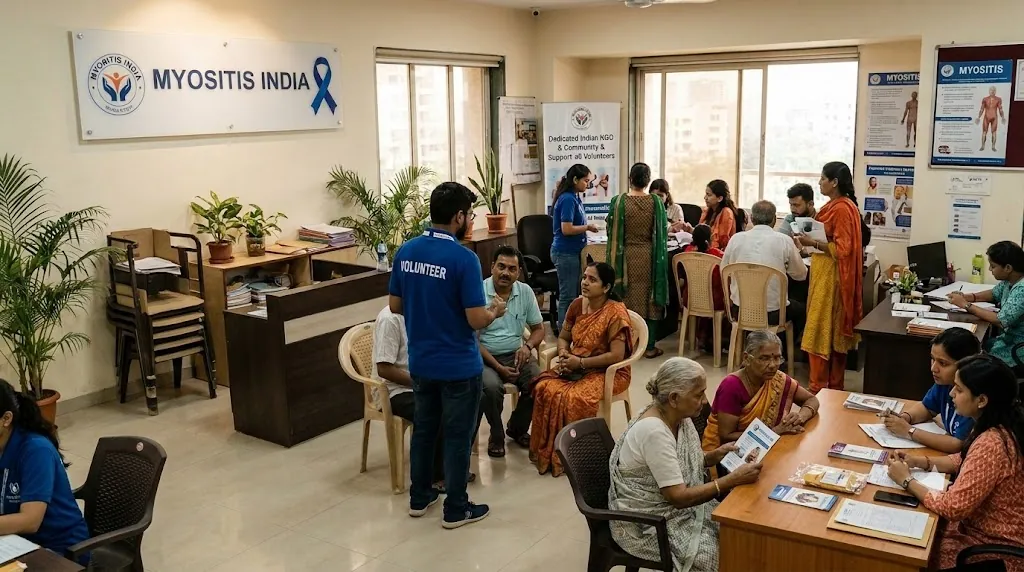
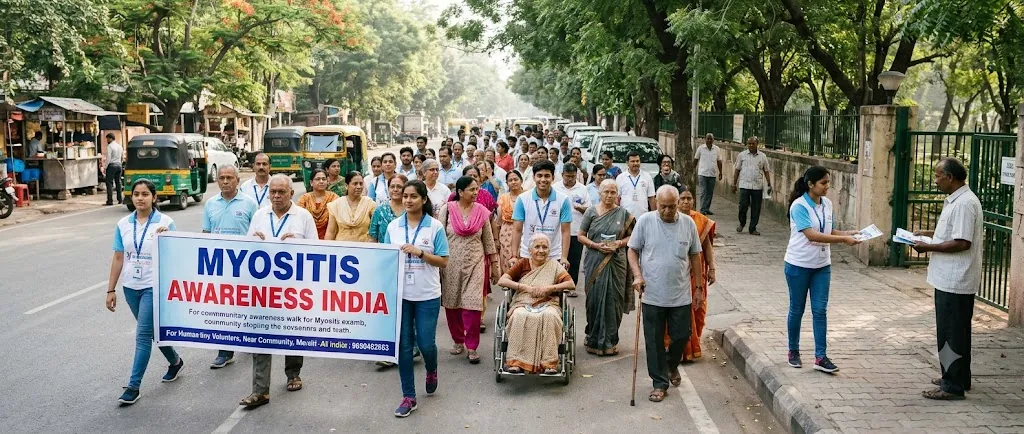
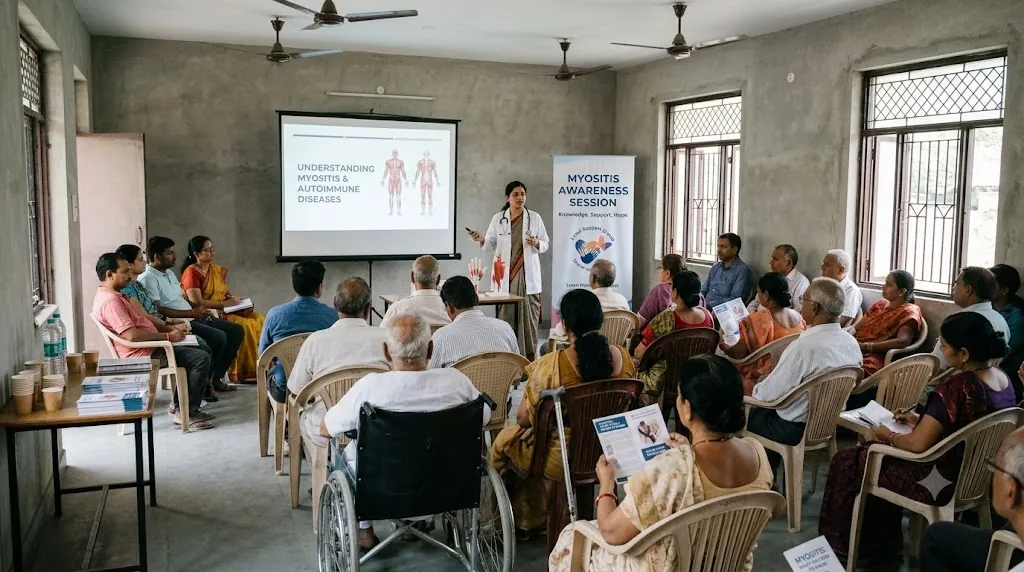
In India, limited awareness of rare muscle diseases can leave patients and families searching for answers. Myositis India, a non-profit initiative of the Madalasa Foundation, works to address this gap through educational resources, patient and caregiver support, awareness activities, research promotion and connections with healthcare professionals. It does not replace medical diagnosis or treatment, but helps people find reliable information and navigate the journey with greater support.
Frequently Asked Questions
1. Is myositis an autoimmune disease?
Many chronic forms of myositis are autoimmune, although muscle inflammation can also have other causes.
2. Can myositis be cured?
There is no universal cure for all forms. Treatment can control disease activity and help manage symptoms, but outcomes vary by subtype.
3. Which doctor treats myositis?
A rheumatologist or neurologist with experience in muscle disease may be involved, depending on the symptoms and local specialist services.
4. Is muscle weakness always a sign of myositis?
Weakness can result from muscle or nerve disorders, thyroid disease, nutritional deficiencies, infections, medication effects and many other conditions. Anaemia can also cause fatigue and reduced exercise tolerance that may feel like weakness.