Early Symptoms of Myositis You Should Not Ignore
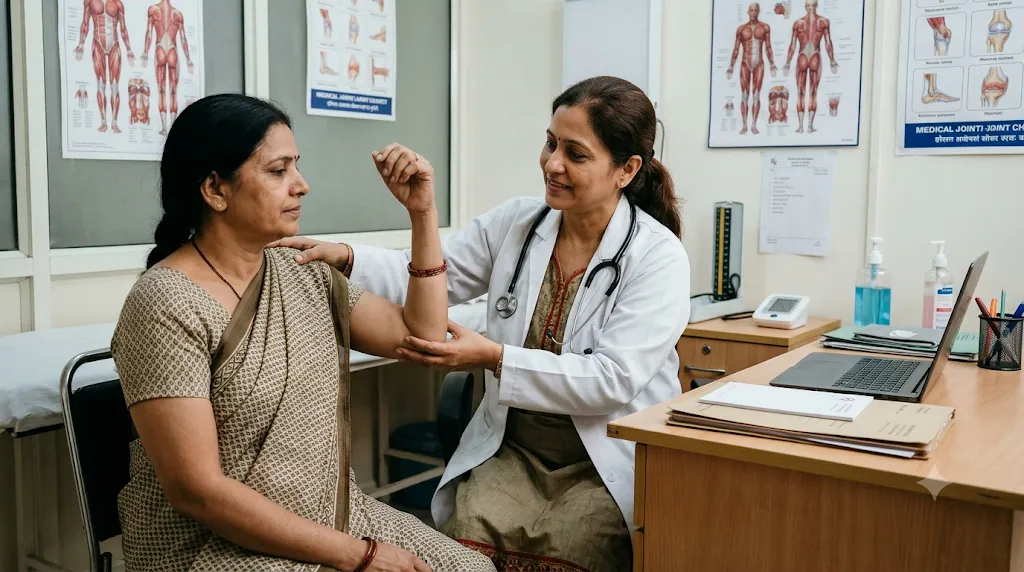
Muscle weakness, soreness, or fatigue may signal myositis. Explore early symptoms to watch for and understand when it is important to seek medical care.
Why Recognising the Early Symptoms of Myositis Matters
Myositis is a group of uncommon conditions involving inflammation and damage to muscles. Many forms are linked to an abnormal immune response, which can cause progressive muscle weakness. Because early weakness may be subtle or develop gradually, it can initially be mistaken for fatigue, ageing, deconditioning or another health problem.
Recognising persistent changes in muscle strength can help people seek an assessment sooner. Early symptoms alone cannot confirm myositis, but they can indicate when further investigation is needed.
1. Muscle Weakness That Gradually Gets Worse
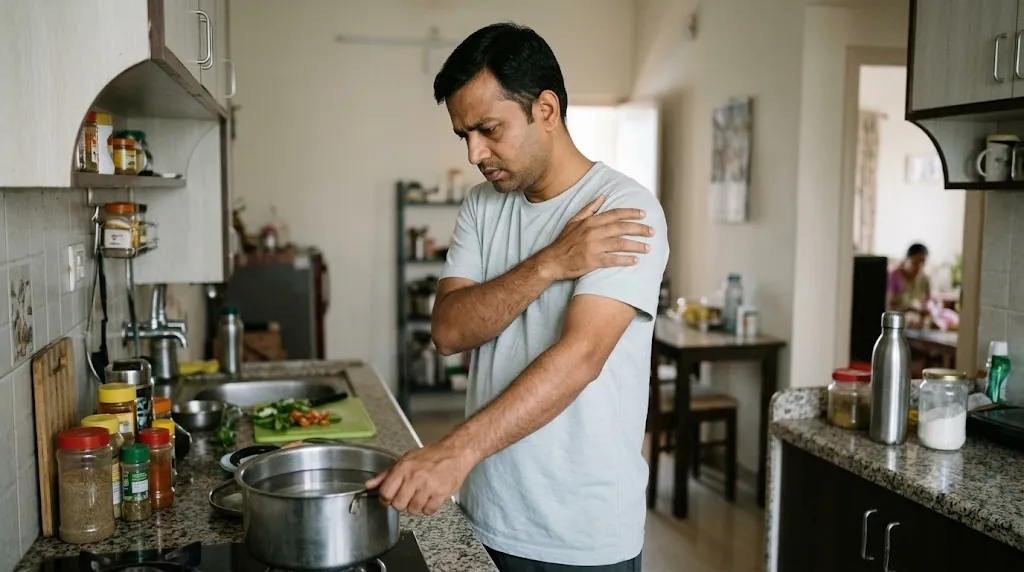
One of the main early symptoms of myositis is muscle weakness that develops gradually. It may affect muscles around the hips, thighs, shoulders and upper arms.
A person may notice difficulty getting up from a low chair, climbing stairs, lifting a bucket of water or raising their arms to wash their hair. These changes can interfere with ordinary activities, even when the person does not experience significant muscle pain.
2. Unusual Fatigue During Everyday Activities
Feeling tired after a long day is common. However, repeated difficulty completing routine activities may deserve closer attention, particularly when it occurs alongside muscle weakness.
A person may notice unusual exhaustion during activities that previously felt routine, particularly when fatigue occurs alongside measurable loss of strength. Fatigue has many possible causes, including anaemia, thyroid disorders, infections and sleep problems. It is not specific to myositis, so persistent symptoms should be assessed in context rather than self-diagnosed.
3. Frequent Falls or Difficulty Walking
Difficulty walking, repeated tripping or falls can occur when weakness affects the legs. Falls are particularly important in some subtypes, including inclusion body myositis.
These changes should not automatically be attributed to age or a lack of fitness. Several neurological and muscular conditions can affect walking, and a healthcare professional can help identify the cause.
4. Skin Rashes Alongside Muscle Weakness
Some forms of myositis, particularly dermatomyositis, cause skin changes as well as muscle weakness. These may include reddish or purplish patches around the eyelids, knuckles or other parts of the body.
The appearance of a rash can vary across skin tones. A persistent or unusual rash accompanied by muscle weakness warrants medical evaluation, although skin rashes can also have many unrelated causes.
5. Difficulty Swallowing or Breathing
Myositis can sometimes affect muscles involved in swallowing and breathing. Warning signs may include difficulty swallowing food or liquids, choking while eating, or new breathing difficulties.
Seek urgent medical attention for new or severe breathing difficulties or an inability to swallow safely. These symptoms can have several causes and should not be assumed to be myositis without medical assessment.
What Causes Muscle Weakness Besides Myositis?
Muscle weakness does not always indicate an autoimmune disease. Possible causes include neurological disorders, thyroid disease, electrolyte disturbances, nutritional deficiencies, infections, medication effects and other muscle diseases. Anaemia can cause fatigue and reduced exercise tolerance that may feel like weakness.
How Is Myositis Diagnosed?
A doctor may begin by reviewing symptoms, medical history and muscle strength. Depending on the findings, investigations may include blood tests for muscle enzymes such as creatine kinase, myositis-specific and myositis-associated autoantibody tests, MRI, electromyography (EMG) or a muscle biopsy.
Not everyone needs every test. Diagnosis involves interpreting the results together and considering other conditions that can cause similar symptoms.
Treatment depends strongly on the subtype. Many autoimmune inflammatory myopathies are treated with immunomodulatory medicines together with rehabilitation, while inclusion body myositis is managed differently because conventional immunosuppression usually does not halt progression.
Myositis India’s Role in Raising Awareness
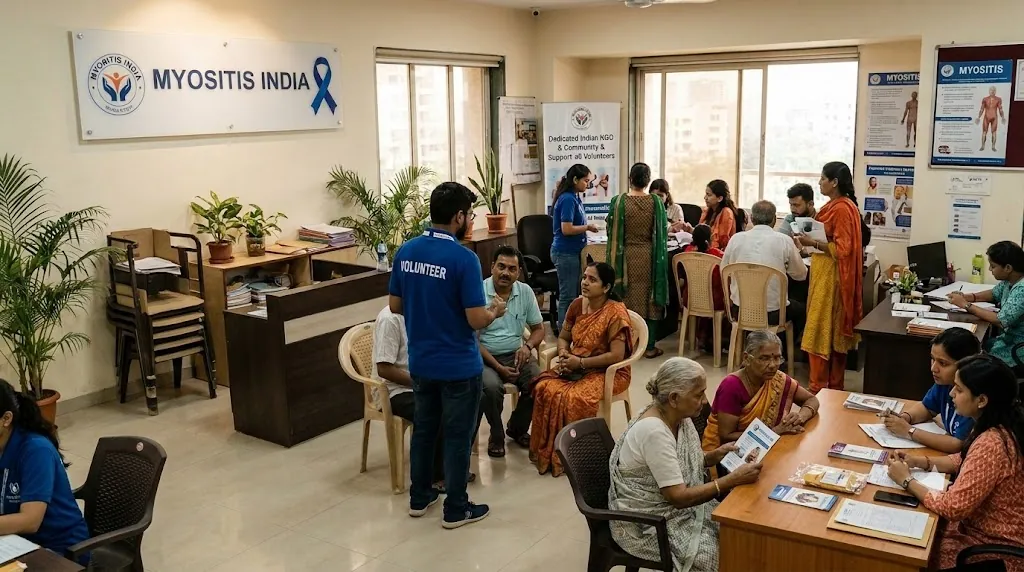
In India, greater awareness of early symptoms can help patients and families recognise when persistent muscle weakness needs medical attention. Myositis India, a non-profit initiative of the Madalasa Foundation, works to improve understanding of the condition through educational resources, awareness activities, patient and caregiver support, research promotion and connections with healthcare professionals. Its work helps people find credible information and community support, while medical diagnosis and treatment must be provided by qualified healthcare professionals.
Frequently Asked Questions
1. What is usually the first symptom of myositis?
There is no single first symptom in every patient. Progressive muscle weakness is a common early feature of several forms, often becoming noticeable when climbing stairs, rising from a chair or lifting the arms. Other subtypes may initially present with skin, lung or joint symptoms.
2. Does myositis always cause muscle pain?
No. Some people experience pain, but weakness may be the main symptom.
3. Can myositis symptoms develop slowly?
Yes. Symptoms can develop gradually, although some forms may progress more quickly.
4. When should someone see a doctor for muscle weakness?
Seek medical advice if weakness persists, worsens or interferes with daily activities. Sudden weakness, especially with difficulty speaking, facial drooping or one-sided weakness, requires emergency assessment. New or severe breathing or swallowing difficulties also require urgent medical care.