Myositis Symptoms in Women: What to Watch For
Myositis can cause muscle weakness, fatigue, pain, and skin changes in women. Explore common symptoms, what to watch for, and when to seek care.
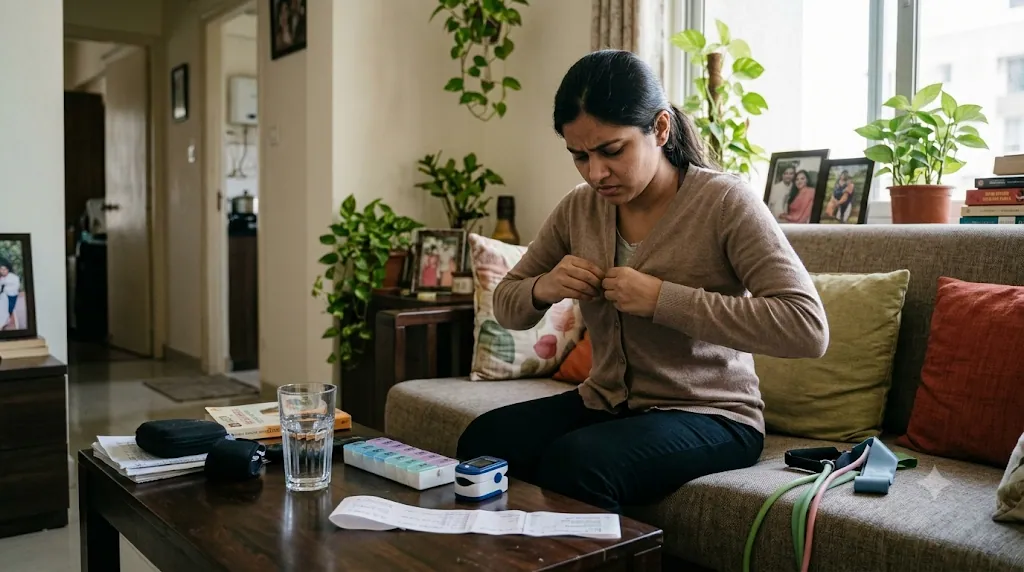
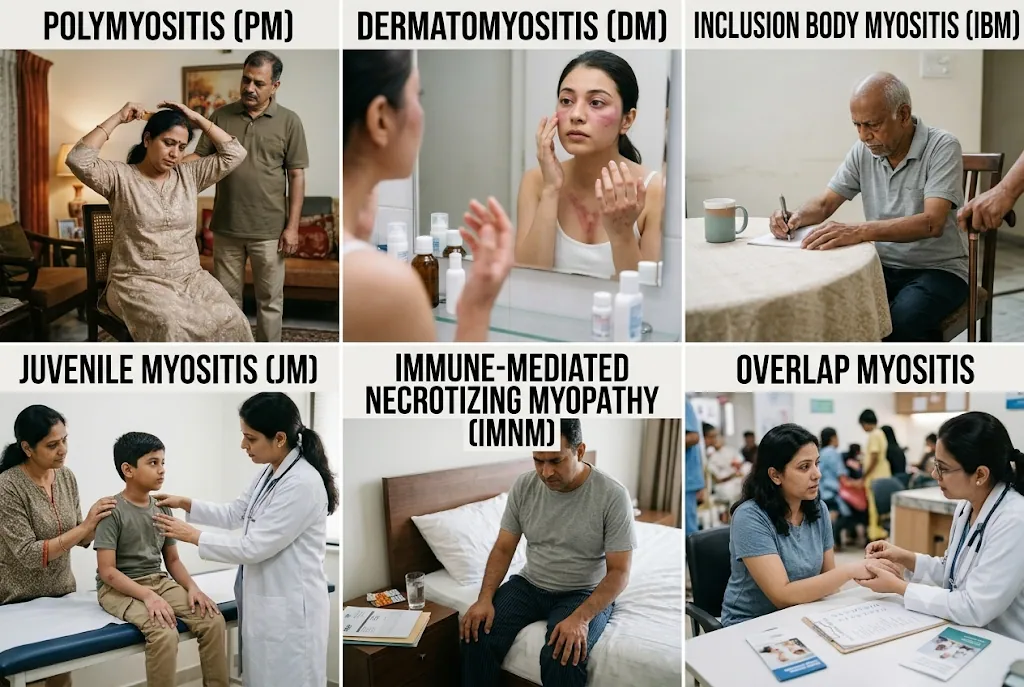
Myositis is a group of uncommon inflammatory muscle diseases that can cause progressive weakness and, depending on the type, affect the skin, lungs, joints or swallowing muscles. Several autoimmune inflammatory myopathies, including dermatomyositis, are diagnosed more often in women than men, although inclusion body myositis is more common in men.
The symptoms women experience are not fundamentally different from those seen in men. What matters is recognising patterns of weakness or other symptoms that persist, progress or begin interfering with everyday activities.
1. Progressive Muscle Weakness
Muscle weakness is one of the most important myositis symptoms to recognise.
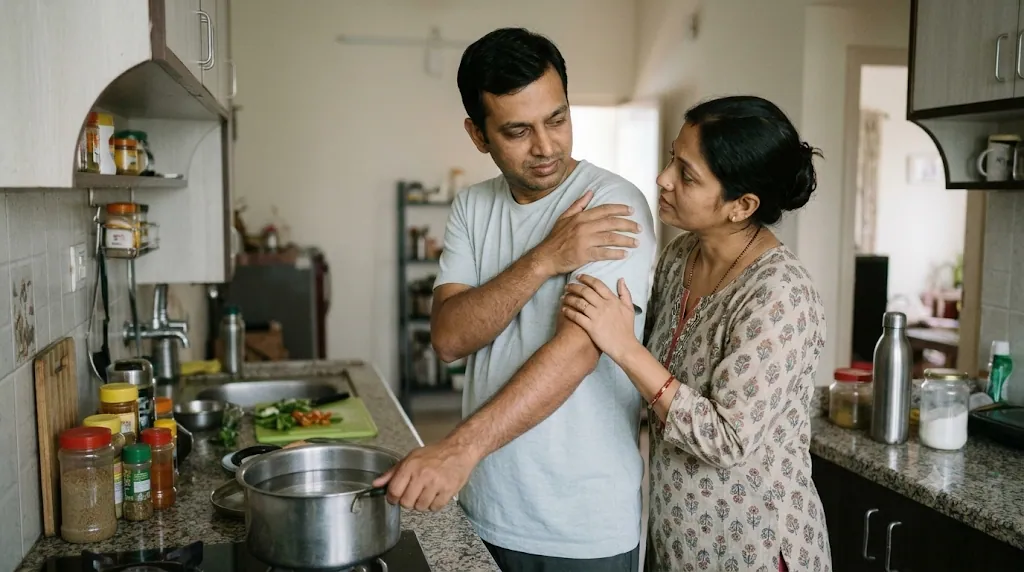
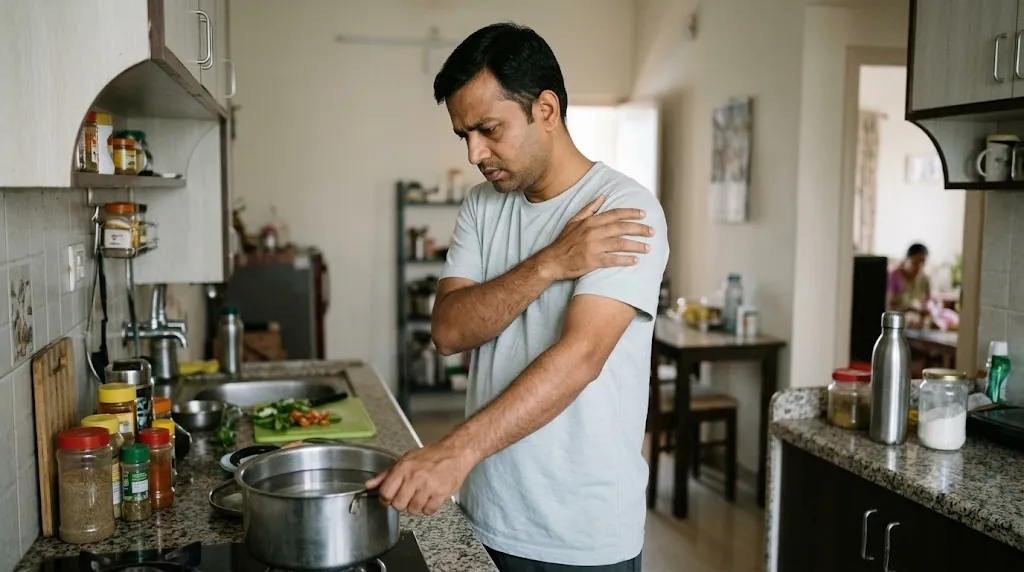
In several inflammatory myopathies, weakness affects the muscles closest to the centre of the body, particularly around the hips, thighs, shoulders and upper arms.
A woman may begin noticing difficulty:
- Climbing stairs
- Getting up from a low chair or the floor
- Lifting her arms to wash or style her hair
- Putting objects onto a high shelf
- Carrying bags that were previously manageable
- Walking her usual distance
This is different from simply feeling tired. Someone with true muscle weakness may physically struggle to complete an activity even after resting.
Persistent or progressively worsening weakness should be medically evaluated because myositis is only one of many possible causes.
2. Unusual Fatigue
Fatigue can occur alongside myositis, but it is not specific to the disease.
Women may experience fatigue for many reasons, including anaemia, thyroid disorders, sleep problems, infections, nutritional deficiencies and other medical conditions. Fatigue therefore becomes more relevant to a possible inflammatory muscle disease when it occurs alongside symptoms such as progressive muscle weakness, characteristic skin changes or other unexplained systemic symptoms.
Feeling exhausted alone is not enough to diagnose myositis.
3. Skin Changes
Skin symptoms are particularly important in dermatomyositis.
Possible changes include discolouration or a rash around the eyelids, over the knuckles, on the face, upper chest, shoulders or back. Some patients may also develop scalp symptoms or changes around the fingernails.
The appearance of dermatomyositis can vary considerably across skin tones, and the rash may not always appear bright red or purple.
Importantly, some people develop characteristic dermatomyositis skin disease with little or no clinically apparent muscle weakness. This is sometimes referred to as clinically amyopathic dermatomyositis.
A persistent or unusual rash should be assessed by a healthcare professional rather than diagnosed through photographs alone.
4. Difficulty With Everyday Movements
One of the reasons myositis can initially be overlooked is that weakness may first appear as small changes in routine.
Someone may start using the railing every time she climbs stairs, push herself up from a chair using her hands or avoid lifting objects overhead.
These adaptations can happen gradually, making it difficult to recognise that muscle strength has changed.
A useful question is not simply, “Do my muscles feel weak?” but:
“Am I finding activities physically harder than they were a few weeks or months ago?”
5. Muscle Pain or Tenderness
Myositis does not always cause muscle pain.
Some women experience aching, tenderness or discomfort, while others develop significant weakness without much pain at all.
This distinction is important because the absence of muscle pain does not rule out inflammatory myopathy.
6. Swallowing Difficulties
Some forms of myositis can affect the muscles involved in swallowing.
Symptoms may include:
- Food feeling difficult to swallow
- Coughing or choking while eating or drinking
- Repeatedly needing water to swallow food
- A sensation that food is getting stuck
- Unexplained difficulty managing meals
Swallowing problems deserve medical assessment because they can increase the risk of food or liquid entering the airway.
New or severe difficulty swallowing safely requires urgent medical attention.
7. Breathlessness or Persistent Cough
Breathing symptoms in someone with inflammatory myopathy should not automatically be assumed to come from weak muscles.
Certain autoimmune myositis subtypes, particularly antisynthetase syndrome and some forms of dermatomyositis, can be associated with interstitial lung disease. In these conditions, a persistent dry cough or unexplained shortness of breath may require lung evaluation.
New or severe breathing difficulty requires urgent medical assessment.
8. Joint and Other Autoimmune Symptoms
Inflammatory myopathies are systemic autoimmune diseases, and symptoms are not always limited to muscles.
Depending on the subtype, some patients may also experience joint pain or swelling, Raynaud phenomenon, skin changes or lung symptoms.
Antisynthetase syndrome, for example, can involve myositis together with interstitial lung disease, inflammatory arthritis and characteristic changes known as “mechanic's hands.”
These features do not occur in every patient, and their presence does not by itself confirm myositis.
Does Myositis Affect Women More Often?
The answer depends on the subtype.
Recent epidemiological research found a higher incidence of dermatomyositis among women, while inclusion body myositis was more frequent among men. A large 2026 multicentre study of idiopathic inflammatory myopathy also included considerably more women than men, highlighting the female predominance seen across several autoimmune myositis populations.
This does not mean that men are unlikely to develop myositis. Both men and women can develop inflammatory muscle disease, and the distribution varies considerably by subtype.
Myositis and Pregnancy
Women with myositis may have additional considerations when planning pregnancy.
Having myositis does not mean that pregnancy is impossible. However, disease activity and medication safety need to be considered before conception and throughout pregnancy.
Studies of women with inflammatory myopathies suggest that active disease during pregnancy is associated with a greater risk of adverse pregnancy outcomes, making disease control and coordinated medical care particularly important.
Women with myositis who are pregnant or considering pregnancy should discuss their medicines and disease activity with their treating specialists rather than stopping treatment independently.
What Else Can Cause Muscle Weakness in Women?
Muscle weakness has many possible causes besides myositis.
Doctors may consider neurological disorders, thyroid disease, electrolyte abnormalities, nutritional deficiencies, medication effects, infections and other muscle diseases.
Anaemia can also cause substantial fatigue and reduced exercise tolerance that may feel like weakness, although this is different from an actual loss of muscle strength.
This is why symptoms alone cannot establish a myositis diagnosis.
How Is Myositis Diagnosed?
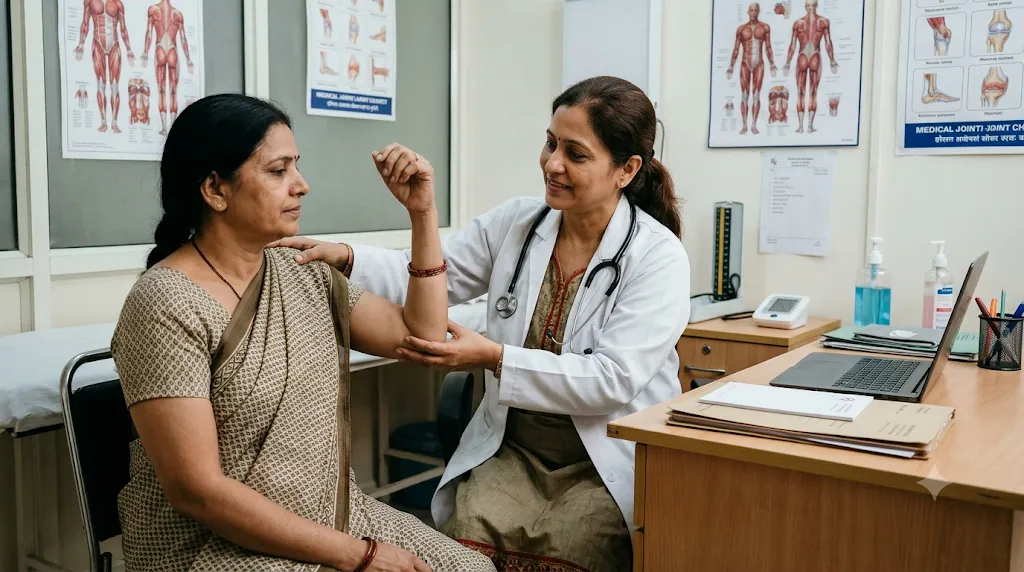
Diagnosis usually begins with a medical history and examination of the pattern and severity of muscle weakness.
Depending on the symptoms, investigations may include:
- Creatine kinase (CK) and other muscle enzymes
- Myositis-specific and myositis-associated autoantibodies
- Muscle MRI
- Electromyography (EMG)
- Muscle or skin biopsy in selected cases
- Lung or swallowing assessments when relevant
Not every patient requires every investigation. Myositis diagnosis is based on the overall clinical pattern and the results of appropriate tests rather than one single result.
When Should You See a Doctor?
Medical evaluation is appropriate when weakness:
- Persists or progressively worsens
- Makes stairs or rising from a chair increasingly difficult
- Affects the ability to lift the arms or perform ordinary activities
- Occurs alongside an unusual rash
- Is accompanied by swallowing or breathing symptoms
Sudden weakness, particularly on one side of the body or together with facial drooping or difficulty speaking, is not typical of myositis and requires emergency evaluation for conditions such as stroke.
Severe breathing difficulty or inability to swallow safely also requires urgent medical attention.
How Myositis India Supports Women and Families
Living with a rare autoimmune condition can involve questions that extend beyond diagnosis and treatment. Patients may need reliable information, access to specialists and opportunities to connect with people who understand the condition.
Myositis India, a unit of the Madalasa Foundation, is a non-profit patient advocacy organisation supporting people affected by myositis in India. Its resources include educational information, patient and caregiver support, a patient helpline, an expert network and information about ongoing clinical trials.
Myositis India does not replace medical diagnosis or treatment. Its role is to help patients and families access credible information, support and appropriate healthcare connections.
Frequently Asked Questions
1. Are myositis symptoms different in women?
The main symptoms are generally similar in women and men. Progressive muscle weakness is an important feature of several inflammatory myopathies, while other symptoms depend more on the myositis subtype than on sex.
2. Is myositis more common in women?
Several autoimmune inflammatory myopathies, including dermatomyositis, occur more frequently in women. Inclusion body myositis is an important exception and is more common in men.
3. Can myositis cause a rash in women?
Dermatomyositis can cause characteristic skin changes, including rashes around the eyelids, over the knuckles and on other areas of the body. Some people can have significant skin disease with little or no clinically apparent muscle weakness.
4. Can women with myositis become pregnant?
Yes. Pregnancy is possible for women with myositis, but disease activity and medication safety should ideally be reviewed before conception and monitored during pregnancy. Active disease can increase pregnancy-related risks.
5. When should muscle weakness in a woman be investigated?
Weakness should be medically assessed when it persists, progresses or begins interfering with normal activities such as climbing stairs, standing from a chair or lifting the arms. New swallowing or breathing difficulties require more urgent assessment.