Types of Myositis: Dermatomyositis, Polymyositis and More
Explore the main types of myositis, including dermatomyositis, polymyositis, inclusion body myositis and other inflammatory muscle diseases, with key features explained.
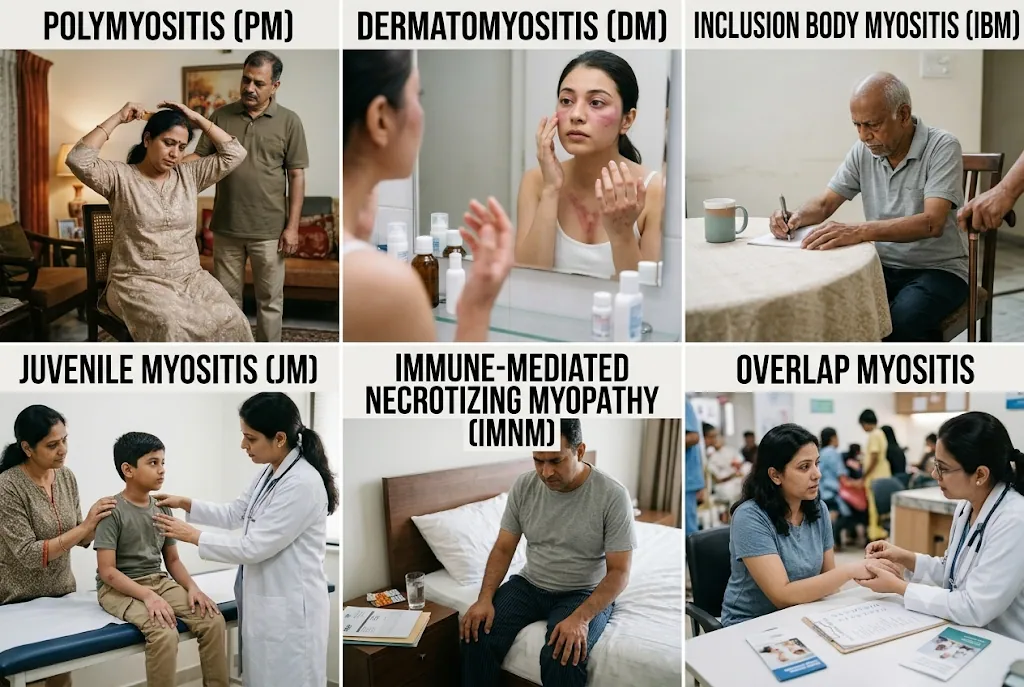
Understanding the Different Types of Myositis
Myositis refers to inflammation of the muscles. Myositis is a broad term for conditions involving inflammation of skeletal muscle. The idiopathic inflammatory myopathies are rare autoimmune diseases within this group..
Although different types can cause muscle weakness, they do not affect everyone in the same way. Some involve skin changes, while others may progress slowly or affect additional organs. Identifying the subtype helps doctors plan appropriate treatment and monitoring.
1. Dermatomyositis
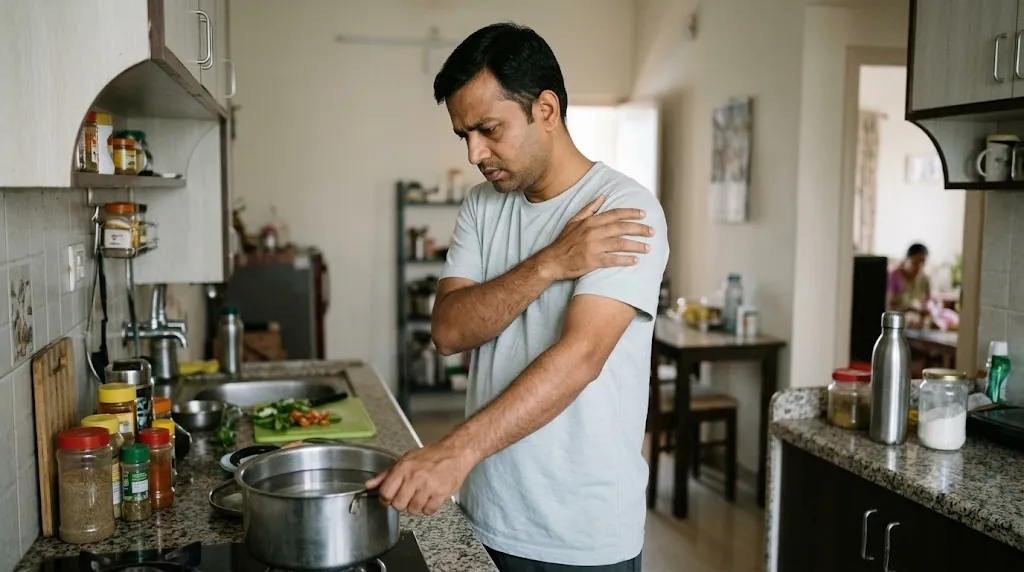
Dermatomyositis causes muscle weakness and characteristic skin changes. Weakness often affects muscles around the hips and shoulders, making it difficult to climb stairs, rise from a chair or lift the arms overhead.
Skin symptoms may include a reddish or purplish rash around the eyelids, cheeks, knuckles or other areas. The appearance can vary across skin tones, so changes may not always look the same in every patient. Some people may also develop lung involvement or other complications that require specialist assessment.
2. Polymyositis
Polymyositis has traditionally been described as an inflammatory muscle disease causing symmetrical proximal weakness. True polymyositis is now considered rare and is generally diagnosed only after other inflammatory myopathies, including antisynthetase syndrome, IMNM and IBM, have been excluded.
However, the diagnosis requires careful assessment. Several other muscle diseases can produce similar symptoms, and some conditions previously labelled polymyositis are now classified separately. Doctors may use blood tests, imaging, electromyography and muscle biopsy findings to distinguish between them.
3. Inclusion Body Myositis (IBM)
IBM usually develops after age 50 and progresses slowly. It characteristically affects the quadriceps and deep finger flexors, often with an asymmetric pattern. This can lead to difficulty climbing stairs, getting up from a chair, gripping objects or handling everyday items.
IBM differs from several other forms of myositis in its pattern of muscle involvement and response to treatment. A specialist evaluation is important because it can be mistaken for other neurological or muscular conditions.
Unlike several autoimmune inflammatory myopathies, IBM generally does not show meaningful disease-modifying responses to conventional immunosuppressive treatment
4. Immune-Mediated Necrotising Myopathy (IMNM)
IMNM is a distinct form of inflammatory muscle disease associated with muscle fibre damage. It can cause substantial, often symmetrical weakness in the shoulders, upper arms, hips and thighs. Symptoms may develop over days, weeks or months.
Blood tests, including creatine kinase levels and certain autoantibodies, can help doctors investigate this condition. In some cases, a muscle biopsy is also needed. The diagnosis and treatment plan depend on the full clinical picture rather than one test alone.
CK levels are often markedly elevated, and important autoantibody-defined subgroups include anti-HMGCR and anti-SRP disease.
5. Juvenile Myositis
Juvenile myositis affects children and teenagers. Juvenile dermatomyositis is the most common juvenile idiopathic inflammatory myopathy. Children might have difficulty climbing onto a bus, getting dressed, raising their arms or standing up from the floor.
Persistent weakness or unusual skin changes in a child should be assessed by a healthcare professional. Early evaluation can help families understand the condition and access appropriate specialist care.
6. Overlap Myositis and Antisynthetase Syndrome
Some people develop myositis alongside another autoimmune condition. Others may have antisynthetase syndrome, which can involve muscle inflammation, joint pain, changes to the skin on the hands and lung disease. Not everyone experiences all these features, so the combination of symptoms and test results matters.
How Are the Types of Myositis Diagnosed?
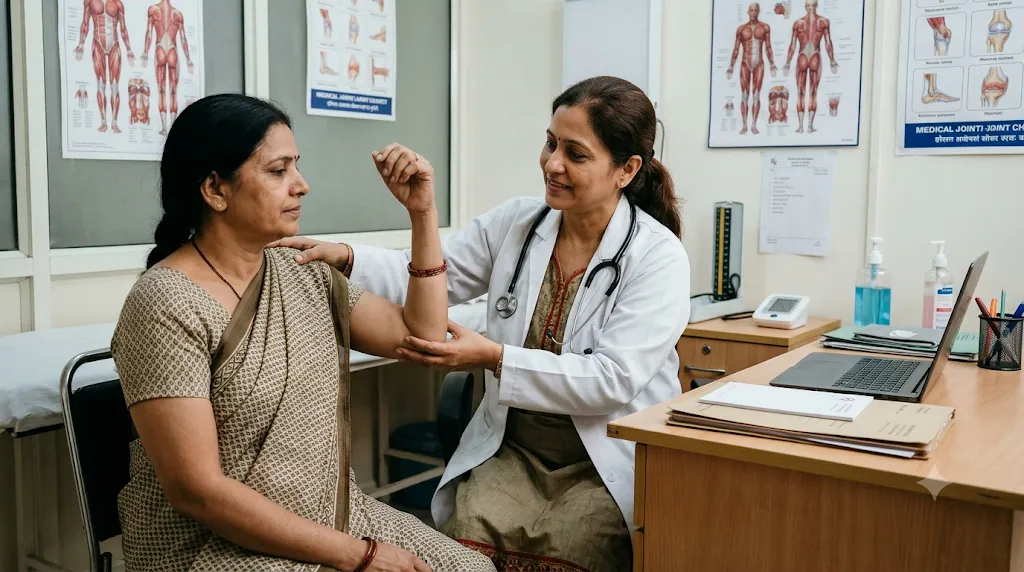
Symptoms can overlap, and no single test can identify every type of myositis. Doctors may consider a physical examination, blood tests, autoantibody testing, MRI, EMG and muscle biopsy. The patient's medical history and the pattern of weakness also help guide the diagnosis.
Treatment differs substantially by subtype. Autoimmune forms such as dermatomyositis, IMNM and antisynthetase syndrome may require corticosteroids or other immunomodulatory treatments, while IBM generally responds poorly to conventional immunosuppression. Physiotherapy, rehabilitation and monitoring are important across several forms.
Myositis India’s Role in Patient Awareness and Support
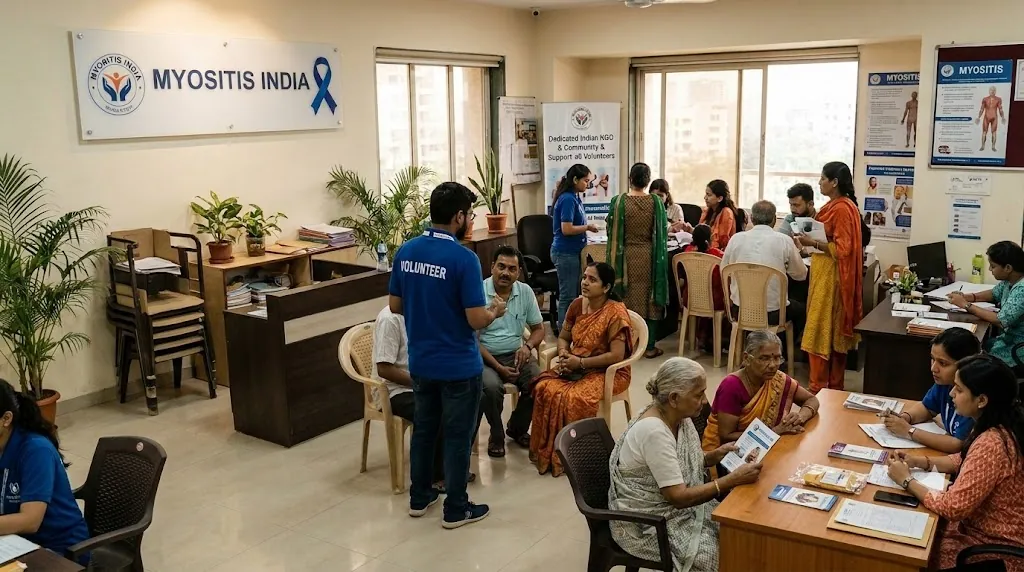
For people in India, understanding the different types of myositis can help them ask informed questions and seek appropriate medical assessment. Myositis India, a non-profit initiative of the Madalasa Foundation, supports the community through awareness, educational resources, patient and caregiver support, research promotion and connections with healthcare professionals. By making credible information easier to access, it helps patients and families navigate a complex condition, while diagnosis and treatment remain the responsibility of qualified medical professionals.
Frequently Asked Questions
1. Which is the most common type of myositis?
There is no single answer across all age groups. Inclusion body myositis is an important and relatively common inflammatory myopathy in adults over 50, while juvenile dermatomyositis is the most common idiopathic inflammatory myopathy in children. True polymyositis is now considered relatively rare.
2. Are dermatomyositis and polymyositis the same?
No. Dermatomyositis is a distinct autoimmune disease characterised by typical skin findings, with or without muscle involvement. True polymyositis lacks these characteristic skin manifestations and is now considered rare after other inflammatory myopathy subtypes have been excluded.
3. Can children develop myositis?
Yes. Juvenile myositis can affect children and teenagers, with juvenile dermatomyositis being a recognised form.
4. Can myositis affect organs other than muscles?
Yes. Depending on the subtype, myositis may also affect the skin, lungs or swallowing muscles.Depending on the subtype, inflammatory myopathies may also affect the skin, lungs, joints and swallowing muscles.