Understanding Myositis: A Comprehensive Guide to Symptoms, Diagnosis, and Treatment Options
Myositis is a rare autoimmune disease that causes muscle inflammation and weakness, often making everyday tasks increasingly difficult. Learn about its symptoms, diagnosis, treatment options, and how early recognition and specialist care can help people manage the condition and improve quality of life.
Understanding Myositis: A Comprehensive Guide to Symptoms, Diagnosis, and Treatment Options
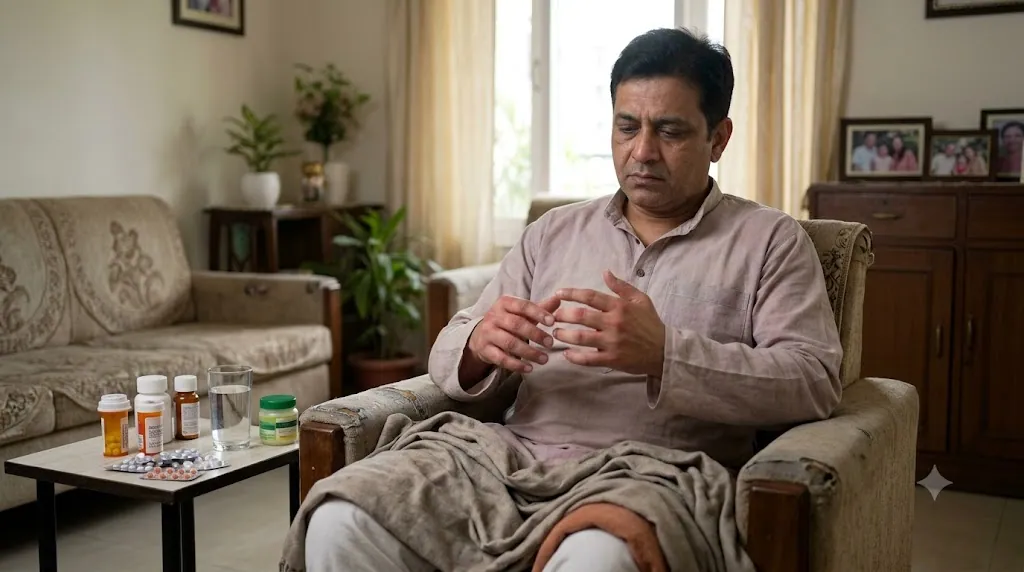
Muscle weakness is something many people dismiss at first. It is often blamed on stress, ageing, lack of exercise, or nutritional deficiencies. But what if that weakness slowly begins to interfere with climbing stairs, lifting your arms, getting up from a chair, or even swallowing food?
In some cases, these symptoms may point to myositis, a rare autoimmune condition that often goes undiagnosed for months because its signs overlap with many other illnesses. Understanding the disease, recognising its symptoms, and seeking timely medical care can make a significant difference to a patient's quality of life.
What is Myositis?
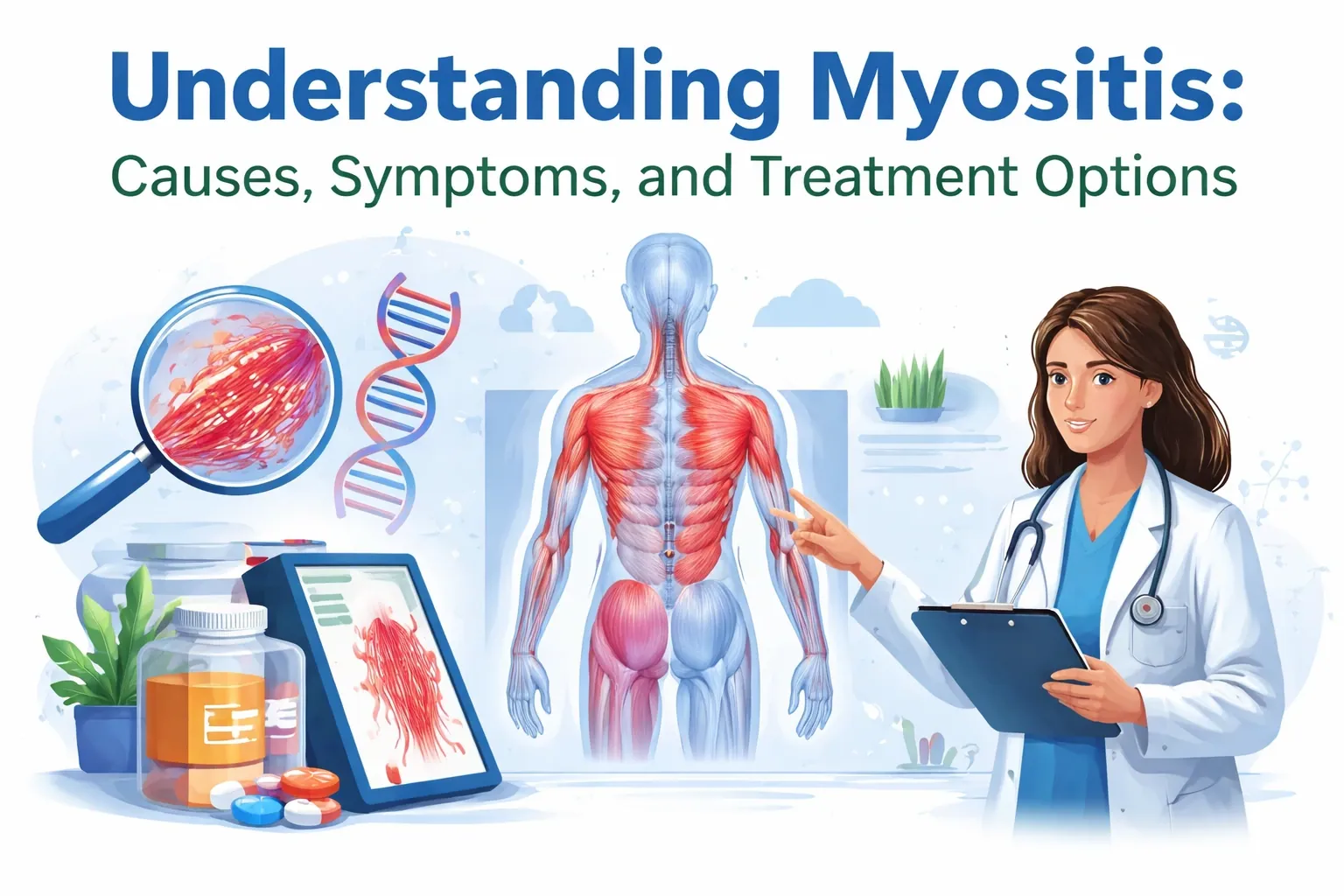
Myositis refers to a group of rare autoimmune diseases in which the body's immune system mistakenly attacks healthy muscle tissue, leading to inflammation and progressive muscle weakness. Depending on the type of myositis, patients may also experience skin rashes, joint pain, lung involvement, fatigue, or difficulty swallowing.
There are several forms of myositis, including dermatomyositis, polymyositis, inclusion body myositis, immune-mediated necrotising myopathy, antisynthetase syndrome, and juvenile myositis. Each presents differently, which is one reason diagnosis can sometimes be challenging.
Although myositis is considered a rare disease, its impact on daily life can be profound. Without treatment, muscle weakness may gradually worsen, making routine activities increasingly difficult.
Common Symptoms of Myositis
Symptoms often develop gradually, although some patients may experience a more rapid onset.
In many forms of myositis, the characteristic symptom is weakness of the proximal muscles, particularly around the shoulders and hips. Patients may notice difficulty climbing stairs, lifting objects overhead, standing up from low chairs, or walking long distances.
Other symptoms may include:
-
Persistent muscle pain or tenderness
-
Unusual fatigue that does not improve with rest
-
Difficulty swallowing food or liquids
-
Shortness of breath if respiratory muscles are affected
-
Skin rashes, especially in dermatomyositis
-
Joint pain or stiffness
-
Unexplained weight loss or fever in some patients
Because these symptoms overlap with several other conditions, many people are initially treated for unrelated problems before receiving the correct diagnosis.
Why Early Diagnosis Matters
One of the biggest challenges surrounding myositis is delayed diagnosis. Since the disease is uncommon, many patients consult several healthcare professionals before reaching a rheumatologist or another specialist familiar with inflammatory muscle diseases.
Diagnosis does not rely on a single test. Instead, doctors evaluate a combination of medical history, physical examination, blood investigations, imaging studies, and specialised laboratory tests.
The sooner myositis is identified, the sooner treatment can begin. For many autoimmune forms of myositis, timely diagnosis allows treatment to begin earlier, helping control disease activity and potentially limiting loss of muscle function and organ complications.
How is Myositis Diagnosed?
Diagnosing myositis is often described as putting together pieces of a puzzle. Doctors gather information from multiple sources before confirming the condition.
Common diagnostic tools include:
-
Blood tests: Muscle enzymes such as Creatine Kinase (CK) may be elevated when muscles are inflamed. Doctors may also order autoimmune antibody tests that can help identify specific subtypes of myositis.
-
MRI scans: Magnetic Resonance Imaging helps detect muscle inflammation and can guide further investigations.
-
Electromyography (EMG): This test measures electrical activity within muscles and helps distinguish muscle disorders from nerve disorders.
-
Muscle or skin biopsy: Examining a small sample of muscle or skin tissue under a microscope remains one of the most important methods of confirming certain types of myositis.
Doctors may also recommend lung function tests, heart evaluations, or swallowing assessments if symptoms suggest involvement beyond the muscles. Since myositis can overlap with other autoimmune diseases, additional investigations are often needed to rule out similar conditions.
Treatment Options for Myositis
There is currently no definitive cure for the idiopathic inflammatory myopathies. However, many forms can be controlled with treatment, and some patients achieve substantial improvement or remission. The course of IBM is different and is typically slowly progressive.
Treatment plans are individualised according to the type of myositis, disease severity, and organs involved.
Common treatment approaches include:
-
Medications: Corticosteroids are often the first medications prescribed to quickly reduce inflammation. Depending on the patient's response, immunosuppressive medicines, intravenous immunoglobulin (IVIG), or biologic therapies may also be recommended.
-
Physiotherapy: Carefully supervised exercise programmes help preserve muscle strength, improve flexibility, and reduce disability. Rest alone is no longer considered the best long-term strategy for most patients.
-
Occupational and speech therapy: Some patients benefit from occupational therapy to improve daily functioning or speech and swallowing therapy if throat muscles are affected.
-
Regular monitoring: Follow-up appointments allow doctors to assess disease activity, monitor treatment response, and identify any medication side effects early.
Successful treatment usually combines medication with rehabilitation, lifestyle modifications, and ongoing communication between patients and their healthcare team.
Living Well with Myositis
Receiving a diagnosis of myositis can feel overwhelming, but many people continue to lead fulfilling and productive lives.
Managing the condition involves more than medication alone. Eating a balanced diet, following prescribed physiotherapy, maintaining good sleep habits, avoiding smoking, protecting the skin from excessive sunlight where appropriate, and attending regular medical appointments all contribute to better long-term health.
Equally important is emotional wellbeing. Connecting with patient support groups and others living with myositis often provides reassurance, practical advice, and encouragement during difficult periods.
The Role of Myositis India
Living with a rare disease often means searching for reliable information, experienced specialists, and people who truly understand the journey. Myositis India works to bridge these gaps by supporting patients, caregivers, and healthcare professionals through awareness programmes, educational webinars, patient communities, clinical information, and advocacy.
By promoting awareness and connecting families with appropriate resources, the organisation aims to improve access to timely diagnosis and quality care for people living with myositis across India.