Inside Myositis India's Awareness Campaigns: Turning Silence Into Support
Learn about Myositis India's initiatives to raise awareness and support for myositis patients. Help us turn silence into a powerful voice for change.
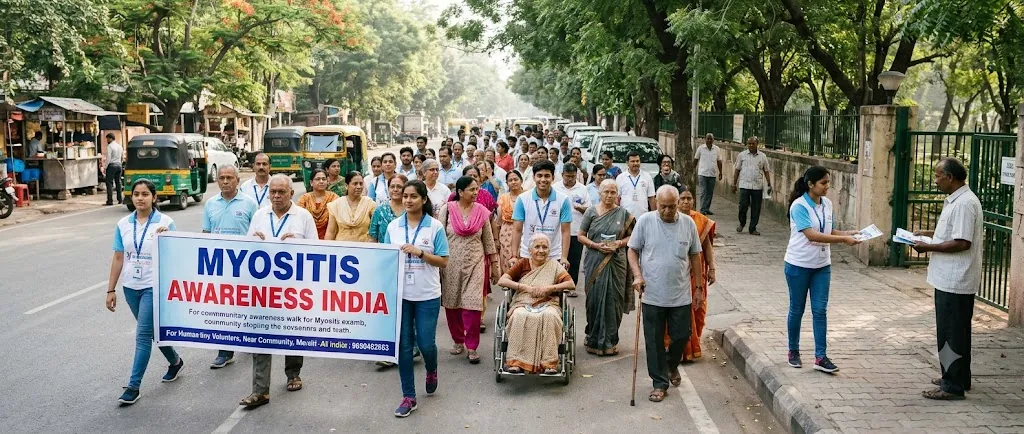
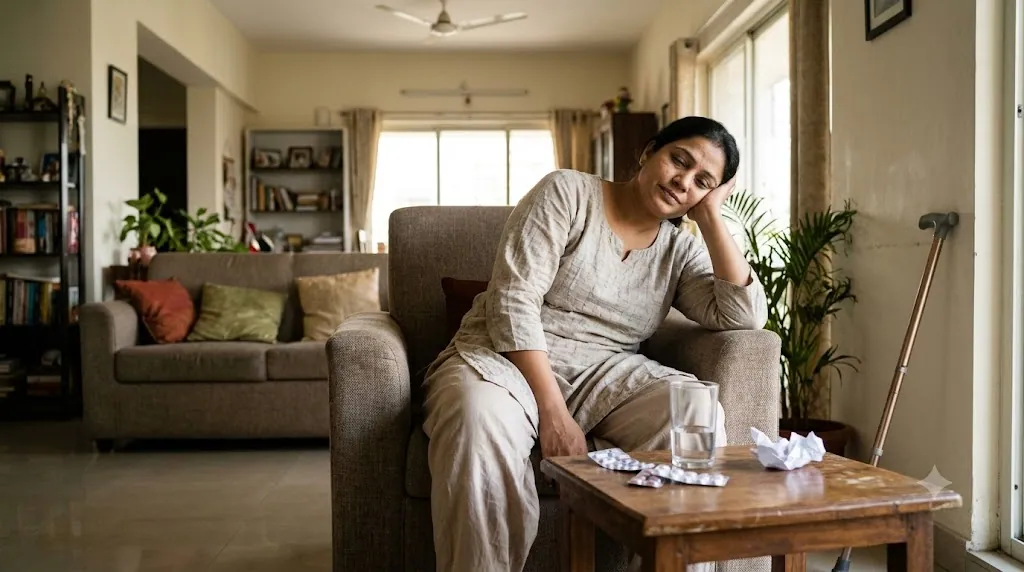
For someone living with a rare disease, the absence of information can make an already difficult experience more confusing. Patients may struggle to explain their symptoms to others, understand unfamiliar medical terms or find people who recognise what they are going through.
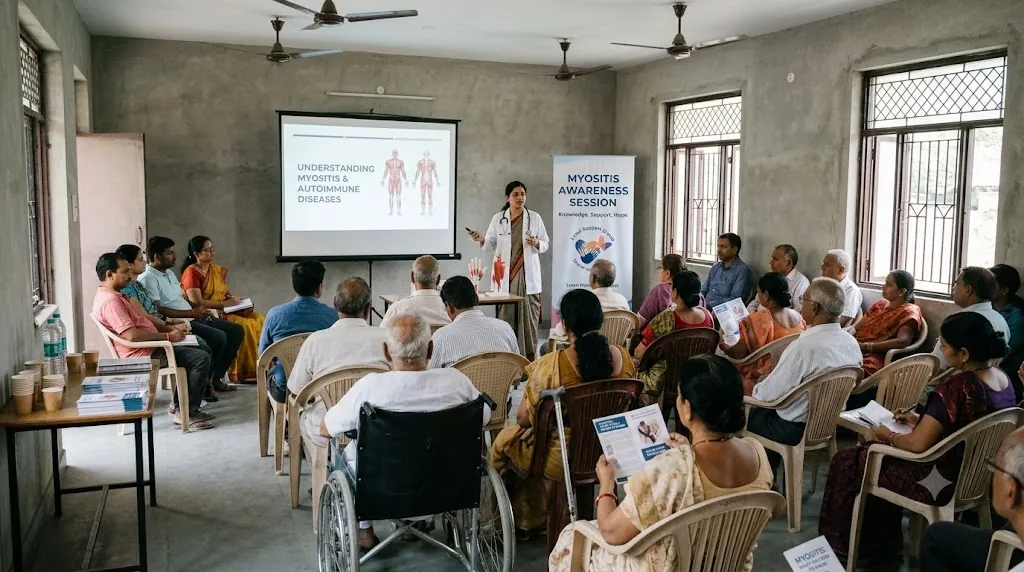
Myositis awareness campaigns seek to address this gap by making the condition easier to recognise and discuss. In India, where access to specialist care and reliable information can vary, this work is particularly relevant.
Why Does Myositis Need Greater Awareness?
Myositis is a group of muscle diseases characterised by inflammation and weakness. Depending on the type, it can also affect the skin, lungs and swallowing muscles. Early symptoms may include difficulty climbing stairs, rising from a chair or lifting the arms.
These symptoms are not exclusive to myositis. They may occur in other medical conditions, which is why clinical assessment is necessary.
Myositis can also be difficult to identify because symptoms may develop gradually. Greater public awareness can help people recognise when persistent weakness needs medical attention, while professional education can support appropriate referral and investigation.
What Does Myositis India Do?
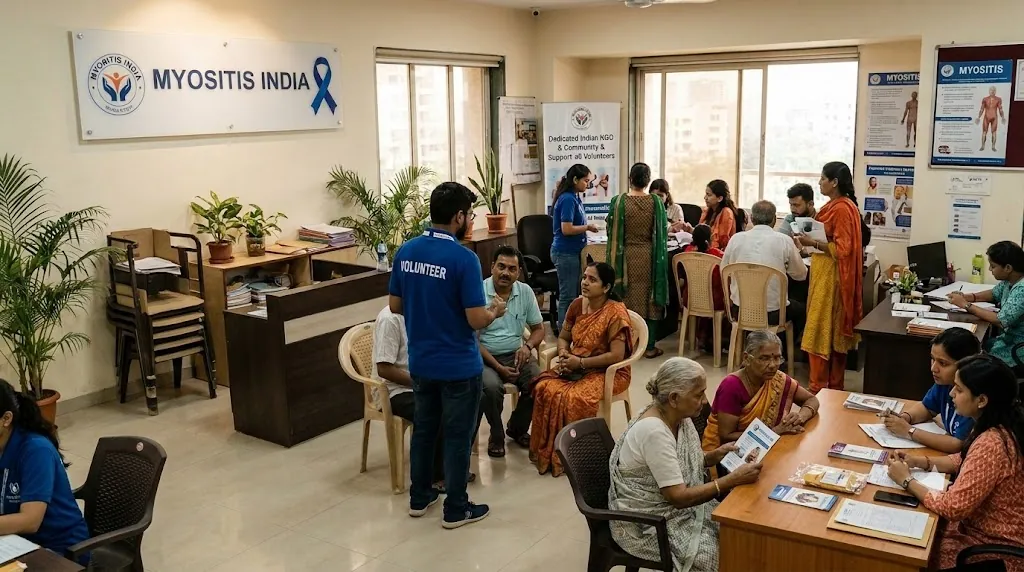
Myositis India is a non-profit initiative of the Madalasa Foundation focused on improving the lives of people affected by myositis across India. According to its published information, its work includes awareness, education, patient and caregiver support, medical connectivity and research promotion.
Its website brings together several resources that support these aims.
1. Patient Education
Reliable information helps patients understand the condition, the diagnostic process and the questions they may wish to discuss with their healthcare team.
Myositis India's online resources cover myositis, its different types, diagnosis, treatment and management. These materials can help families approach medical appointments with a clearer understanding of the terminology involved.
2. Patient Stories and Community Support
A diagnosis can leave patients feeling isolated, particularly when friends and family have never heard of the condition.
Patient stories can help make the experience of living with myositis more visible. Myositis India publishes patient journeys and offers community and support resources intended to connect people affected by the disease.
Personal accounts should complement medical information, rather than be treated as evidence that every patient will experience the same symptoms or outcomes.
3. Connecting Patients With Healthcare Professionals
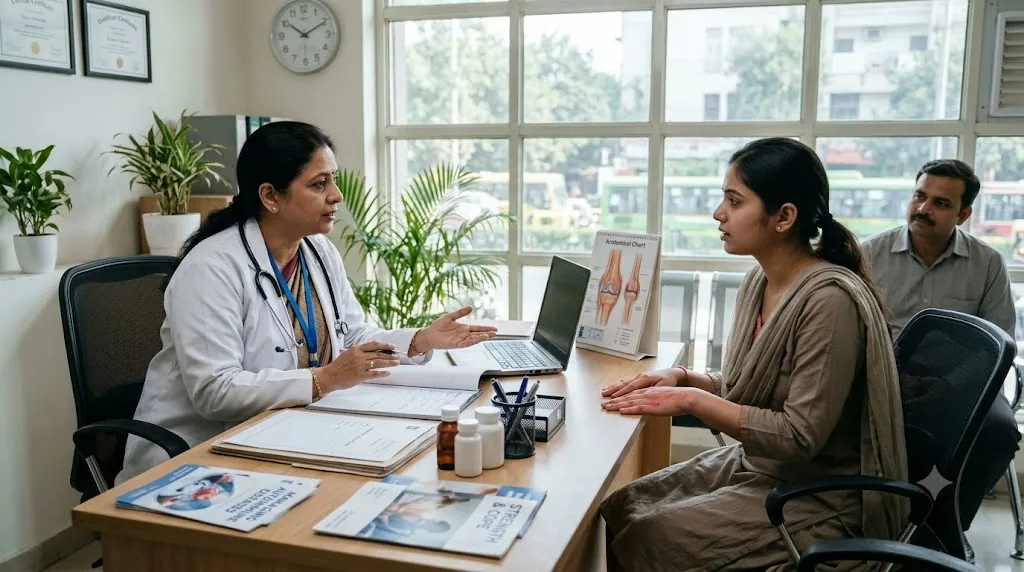
Finding the appropriate specialist can be an important step in the diagnostic journey. Myositis India lists healthcare professionals and specialist resources, including rheumatologists and doctors in other relevant fields. It also provides information about support services.
These resources may help patients identify possible routes to specialist care. Availability, suitability and treatment decisions still need to be confirmed directly with qualified healthcare professionals.
4. Research and Clinical-Trial Information
Rare diseases can be difficult to study because patient populations are small and scientific understanding may be incomplete. India's National Policy for Rare Diseases, 2021 identifies research and the development of better diagnostic and treatment options as important priorities.
Myositis India provides information about clinical trials and research-related resources. Such information can help patients learn about research opportunities, although eligibility and participation must be assessed by the relevant clinical research team.
What Makes Awareness Campaigns Meaningful?
A useful awareness campaign does more than increase visibility. It gives people accurate information they can act on.
For myositis, this means explaining the difference between fatigue and muscle weakness, highlighting symptoms that deserve medical assessment, discouraging self-diagnosis and directing patients towards credible medical resources.
It also means recognising the emotional and practical difficulties faced by caregivers. A supportive community cannot remove every barrier to care, but it can help people find information and feel less alone.
Myositis India and the Wider Rare Disease Community
Myositis India contributes to rare disease awareness in India by combining educational resources, patient stories, community support, specialist connectivity and research information. Its published work is focused specifically on myositis, giving patients and families a dedicated place to begin learning about the condition.
As a myositis NGO in India, it helps bring patient experiences into public discussion and supports connections between individuals, caregivers and healthcare professionals. Its role is complementary to medical services: it provides information and advocacy, while diagnosis and treatment remain the responsibility of qualified healthcare professionals.
FAQs
Q. How can an awareness campaign help someone with myositis?
It can improve understanding of symptoms, encourage appropriate medical evaluation and help patients find reliable information and support.
Q. Does Myositis India provide medical treatment?
No. Myositis India identifies itself as a non-profit patient advocacy organisation, not a hospital or clinic. It helps connect patients with information and healthcare professionals.
Q. Can patients share their experiences through awareness initiatives?
Patient stories can contribute to public understanding and help others feel less isolated. Personal experiences should be shared with appropriate consent and respect for privacy.
Q. How can someone learn more about myositis?
Patients can consult a qualified healthcare professional and explore educational resources from established medical organisations and patient-support platforms such as Myositis India.