Autoimmune Muscle Disease Explained: How Myositis Fits In
Discover the complexities of autoimmune muscle diseases and learn how myositis plays a crucial role in understanding these conditions.

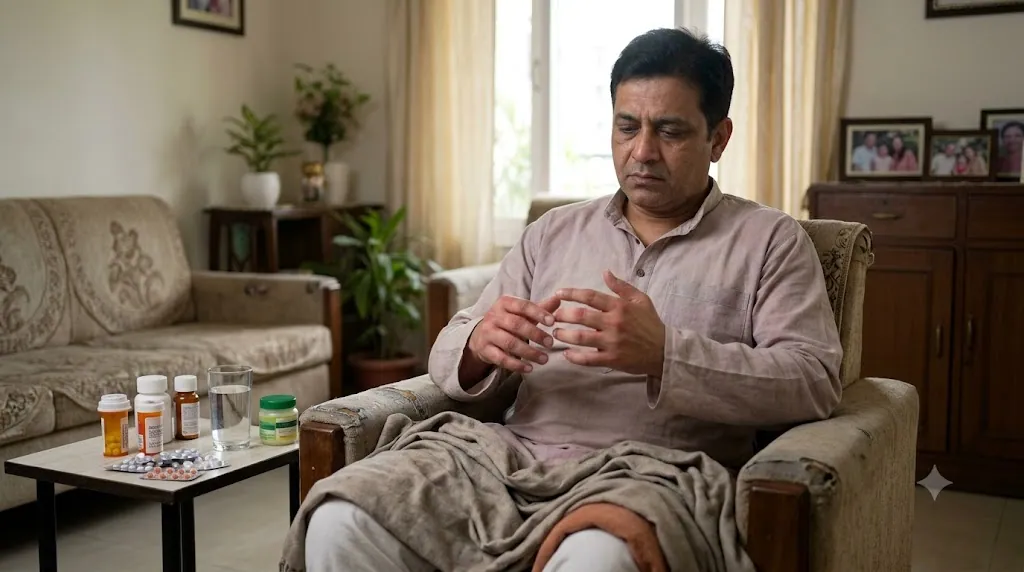
When people hear the term autoimmune disease, they often think of conditions affecting the joints, skin or internal organs. But the immune system can also target muscle tissue. This is where autoimmune muscle disease and myositis come into the picture.
Myositis is a group of uncommon diseases that can cause muscle inflammation and weakness. Some forms can also affect the skin, lungs, joints and other organs.
What Is an Autoimmune Muscle Disease?
To understand autoimmune muscle disease, it helps to start with the autoimmune disease meaning.
Normally, the immune system identifies harmful substances and helps protect the body from infection. In an autoimmune condition, the immune system mistakenly reacts against the body's own tissues.
When this immune response primarily affects skeletal muscles, it can result in autoimmune muscle disease. Myositis is one important group within this category.
What Is Myositis?
The word myositis literally refers to inflammation of muscle, but myositis is not one single condition.
The idiopathic inflammatory myopathies include several distinct diseases. These include dermatomyositis, polymyositis, immune-mediated necrotising myopathy and inclusion body myositis. They can differ significantly in their symptoms, laboratory findings, muscle biopsy features and response to treatment.
This distinction matters because two people with “myositis” may have very different disease patterns and treatment needs.
What Does Myositis Feel Like?
Muscle weakness is one of the most important symptoms.
A person may begin struggling to:
- Climb stairs
- Get up from a chair
- Lift their arms
- Carry groceries
- Wash or comb their hair
- Walk their usual distance
Some people also experience muscle pain and fatigue. Certain forms have additional features. Dermatomyositis, for example, can cause characteristic skin rashes, while some myositis-associated conditions can affect the lungs or swallowing muscles.
The pattern of weakness is important. Doctors look at which muscles are affected, how quickly symptoms developed and whether weakness is symmetrical or follows another pattern.
How Is Myositis Diagnosed?
There is no single test that diagnoses every form of myositis.
Doctors generally combine the medical history and physical examination with investigations such as:
Blood tests: Creatine kinase and other muscle enzymes can provide evidence of muscle injury. Myositis-specific antibodies may help identify particular disease patterns.
MRI: Muscle MRI can identify areas of inflammation or muscle damage.
Electromyography: EMG can help determine whether symptoms are coming from muscle or nerve dysfunction.
Muscle biopsy: In selected patients, examining a small sample of muscle tissue can provide important information about the type of disease.
The diagnosis may therefore involve a rheumatologist, neurologist, dermatologist or other specialists depending on the symptoms.
Is Myositis Treatable?
Treatment depends on the specific type of myositis and whether other organs are involved.
For several inflammatory myopathies, treatment may involve corticosteroids and other medicines that suppress or modify the abnormal immune response. Physiotherapy and carefully planned exercise can also form an important part of care.
Inclusion body myositis is different. It generally progresses more slowly and responds poorly to conventional immunosuppressive treatment, making rehabilitation and maintaining function particularly important.
This is why patients should not assume that a treatment prescribed for one type of myositis will be appropriate for another.
Why Understanding Myositis Matters in India
For Indian patients, recognising the difference between ordinary muscle fatigue and persistent muscle weakness can be important. Progressive difficulty with stairs, getting up from a chair, lifting the arms or gripping objects deserves medical attention, particularly when it continues or worsens.
Myositis can also involve organs beyond the muscles, so appropriate assessment should consider the person's overall health rather than muscle symptoms alone.
The Role of Myositis India
Myositis India, a unit of the Madalasa Foundation, focuses specifically on people living with myositis in India. Its work includes awareness and education, patient and caregiver support, connections with healthcare professionals, research promotion and access to information about clinical trials.
For patients encountering the term “myositis” for the first time, having a reliable source of information and a patient community can make the diagnosis easier to understand. Myositis India does not provide direct medical treatment, but works as a patient advocacy and support organisation alongside the healthcare system.
FAQs
Is myositis an autoimmune muscle disease?
Several major forms of myositis are autoimmune diseases affecting skeletal muscle. However, the term myositis can also be used more broadly for muscle inflammation from other causes, so the specific diagnosis matters.
Is myositis the same as inflammatory myopathy?
The terms are often used interchangeably in the context of idiopathic inflammatory myopathies, although “myositis” is also used more broadly.
Can myositis affect organs other than muscles?
Yes. Depending on the subtype, the skin, lungs, joints, swallowing muscles and other organs may be affected.
Which specialist treats myositis?
Rheumatologists and neurologists commonly play central roles. Dermatologists, pulmonologists and rehabilitation specialists may also be involved depending on the patient's symptoms.