What is Myositis? A Complete Guide for Patients and Families in India
Discover everything you need to know about myositis in this comprehensive guide for patients and families in India. Understand symptoms, treatments, and support.
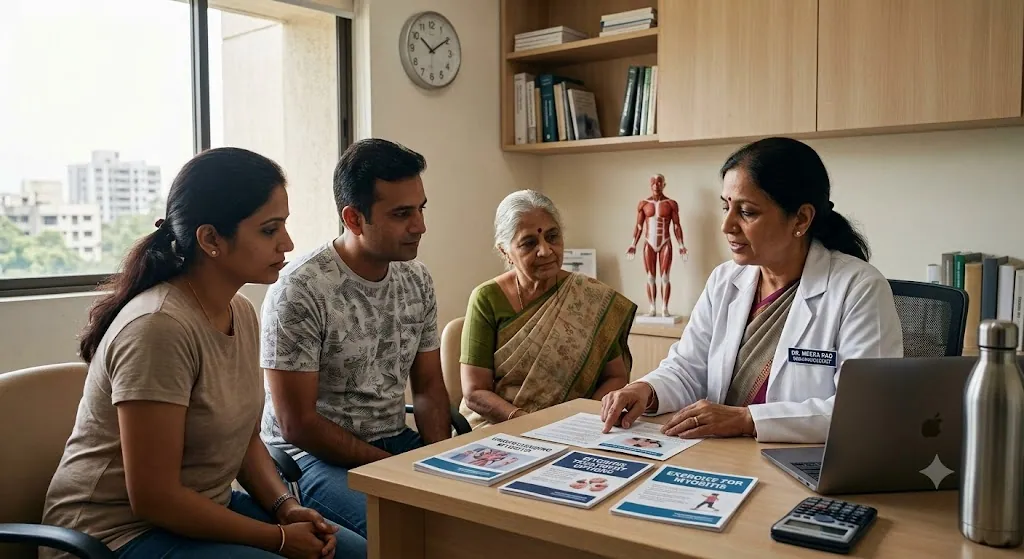
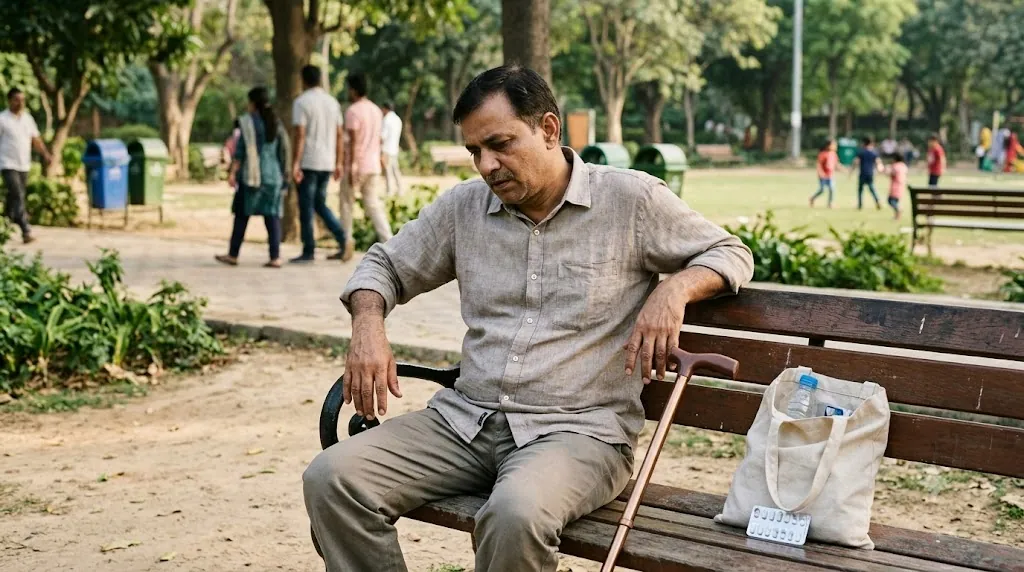
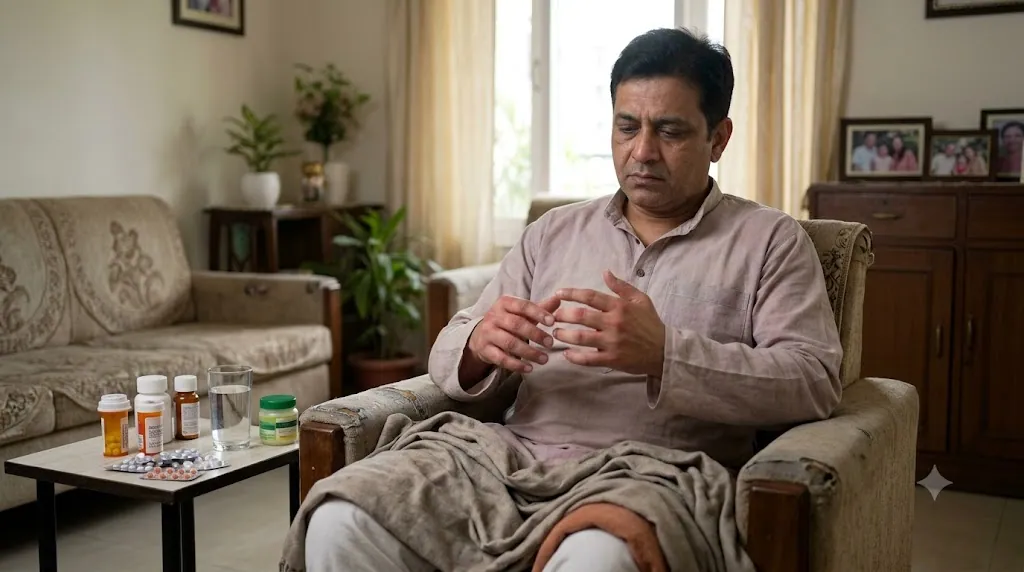
Hearing the word myositis for the first time can feel overwhelming. Most people have never come across the condition until they or someone they love is diagnosed with it. Questions begin to pile up. What is myositis? Is it curable? Why has it happened? Will life ever feel normal again?
While myositis is a rare disease, understanding it is the first step towards managing it. With timely diagnosis, the right treatment, and ongoing support, many people with myositis are able to lead active and meaningful lives.
What is myositis?
Simply put, myositis is a group of rare autoimmune diseases that cause inflammation of the muscles.
In a healthy person, the immune system protects the body from infections. In someone with myositis, the immune system mistakenly attacks healthy muscle tissue. This inflammation gradually weakens the muscles and can make everyday activities increasingly difficult.
Although muscle weakness is the most common feature, myositis can also affect the skin, lungs, joints, heart, and the muscles involved in swallowing.
When people search online for what is myositis disease?, the simplest answer is this: it is an autoimmune condition where the body's defence system mistakenly damages its own muscles.
Is myositis one disease?
Not exactly.
The term "myositis" refers to a group of related conditions rather than a single disease. Some of the major types include:
- Dermatomyositis, which affects both the muscles and the skin.
- Polymyositis, where muscle weakness develops without the characteristic skin rash.
- Inclusion Body Myositis (IBM), a slowly progressive condition that often affects older adults and may involve the hands and legs.
- Immune-Mediated Necrotising Myopathy (IMNM), which causes severe muscle damage and weakness.
- Antisynthetase Syndrome, which may involve muscles, lungs, joints, and skin.
Each subtype behaves differently, which is why accurate diagnosis is so important.
What are the symptoms of myositis?
Symptoms usually develop gradually, although some people experience a faster onset.
Common symptoms include:
- Difficulty climbing stairs
- Trouble getting up from a chair
- Weakness in the shoulders, hips, neck, or thighs
- Frequent falls
- Muscle pain or tenderness
- Extreme fatigue
- Difficulty swallowing
- Shortness of breath
- Skin rashes, especially in dermatomyositis
Many patients first notice that simple tasks such as combing their hair, lifting grocery bags, or getting dressed become unusually difficult.
Because these symptoms resemble several other conditions, diagnosis is often delayed.
Why is myositis difficult to diagnose?
One of the biggest challenges in India is awareness.
Since myositis is rare, its symptoms are sometimes mistaken for vitamin deficiencies, ageing, arthritis, stress, or general weakness. Many patients visit multiple doctors before reaching a rheumatologist or neurologist who recognises the condition.
Diagnosing myositis usually involves several investigations rather than a single test.
Doctors may recommend:
- Blood tests to measure muscle enzymes such as Creatine Kinase (CK)
- Autoantibody testing
- MRI of affected muscles
- Electromyography (EMG)
- Muscle biopsy
- Skin biopsy in patients with characteristic rashes
The diagnosis is made by combining medical history, physical examination, laboratory findings, imaging, and biopsy results.
How is myositis treated?
Although there is currently no permanent cure, effective treatment can control inflammation, improve muscle strength, and reduce complications.
Treatment is tailored to each patient and may include:
- Corticosteroids to quickly reduce inflammation
- Immunosuppressant medicines such as methotrexate, azathioprine, or mycophenolate mofetil
- Biologic therapies like Rituximab for selected patients
- Intravenous Immunoglobulin (IVIG) in severe or treatment-resistant cases
- Physiotherapy to maintain strength and mobility
- Occupational and speech therapy where required
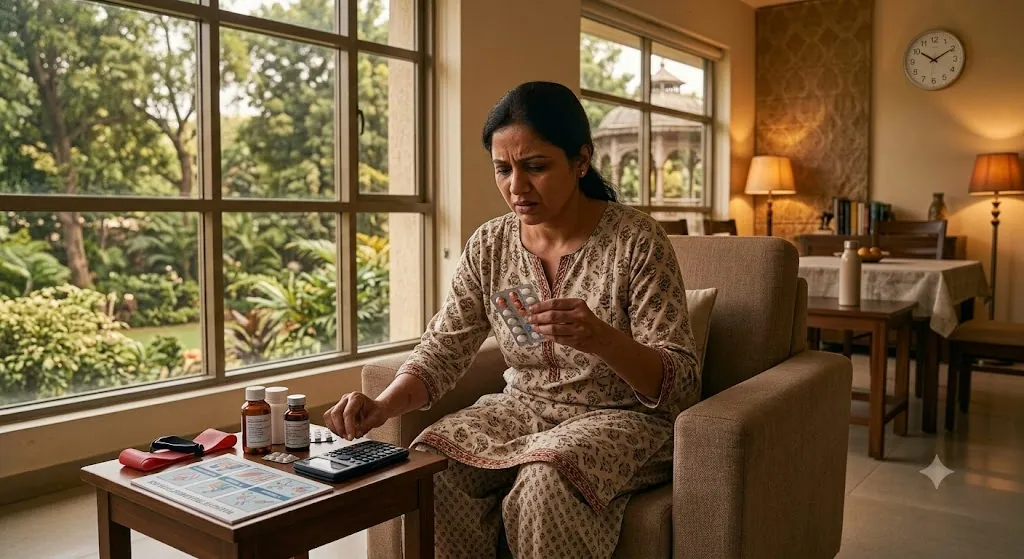
Treatment is usually long term and requires regular follow-up with specialists.
Living with myositis in India
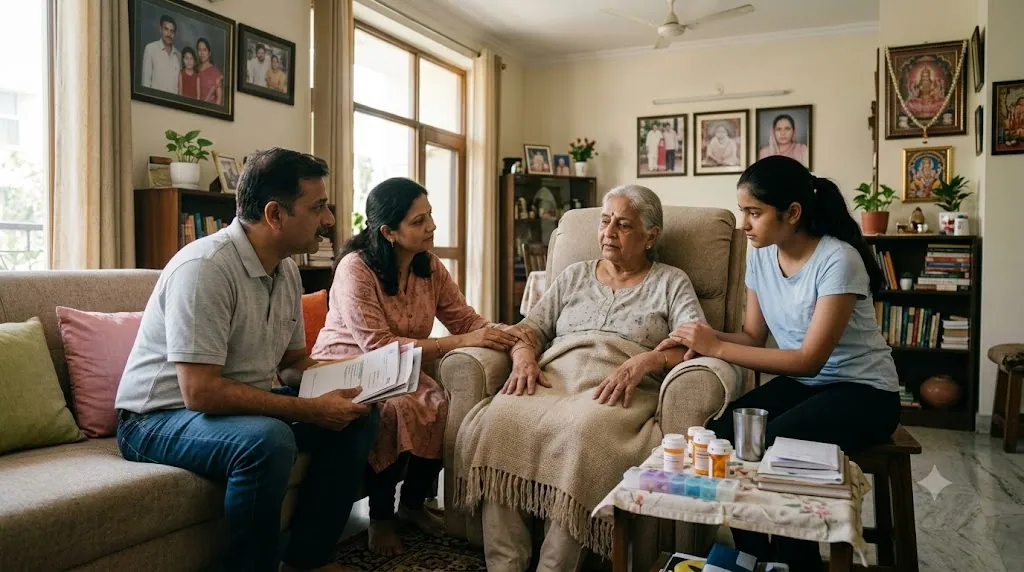
A diagnosis of myositis disease affects more than physical health. Patients may experience changes in their careers, education, finances, and emotional wellbeing. Caregivers also take on significant responsibilities while supporting their loved ones through treatment and rehabilitation.
Fortunately, awareness is gradually improving across India. More hospitals now have specialists familiar with inflammatory muscle diseases, and patient support organisations are helping families navigate diagnosis, treatment, and daily life.
Learning about the condition, staying consistent with medications, attending physiotherapy, and maintaining open communication with healthcare providers all contribute to better long-term outcomes.
The importance of early diagnosis
Early diagnosis is one of the strongest predictors of successful treatment.
When inflammation is recognised and treated promptly, muscle damage can often be limited. Delayed diagnosis, on the other hand, increases the risk of long-term disability and complications affecting the lungs or swallowing muscles.
Anyone experiencing persistent muscle weakness that cannot be explained should seek evaluation from a specialist rather than assuming it is due to ageing or lack of fitness.
Hope for the future
Research into myositis is advancing rapidly. Scientists are studying new biologic medicines, interferon-targeted therapies, JAK inhibitors, and precision treatments based on specific autoantibodies. Clinical trials continue to improve understanding of the disease and develop safer, more effective treatment options.
While there is still no cure, many patients today achieve remission or maintain good disease control for years. With the right medical care, rehabilitation, and family support, life with myositis can become far more manageable than many people initially fear.
Frequently Asked Questions
Q. Is myositis a rare disease?
Yes. Myositis is considered a rare autoimmune disease, which is one reason why diagnosis is often delayed.
Q. Can myositis be cured?
There is currently no permanent cure. However, early diagnosis and appropriate treatment can help control the disease, reduce inflammation, and improve quality of life.
Q. Which doctor should I consult if I suspect myositis?
A rheumatologist is usually the primary specialist involved in diagnosing and treating myositis. Depending on symptoms, a neurologist, dermatologist, pulmonologist, or other specialists may also be part of the care team.
Q. Is exercise safe for people with myositis?
Yes, but only under medical guidance. Structured physiotherapy and gentle, supervised exercise programmes help maintain muscle strength and mobility. High-intensity exercise during active disease may not be appropriate.
Q. Where can patients and families in India find support?
Patient organisations such as Myositis India provide educational resources, support groups, webinars, and guidance to help patients and caregivers better understand and manage the disease.