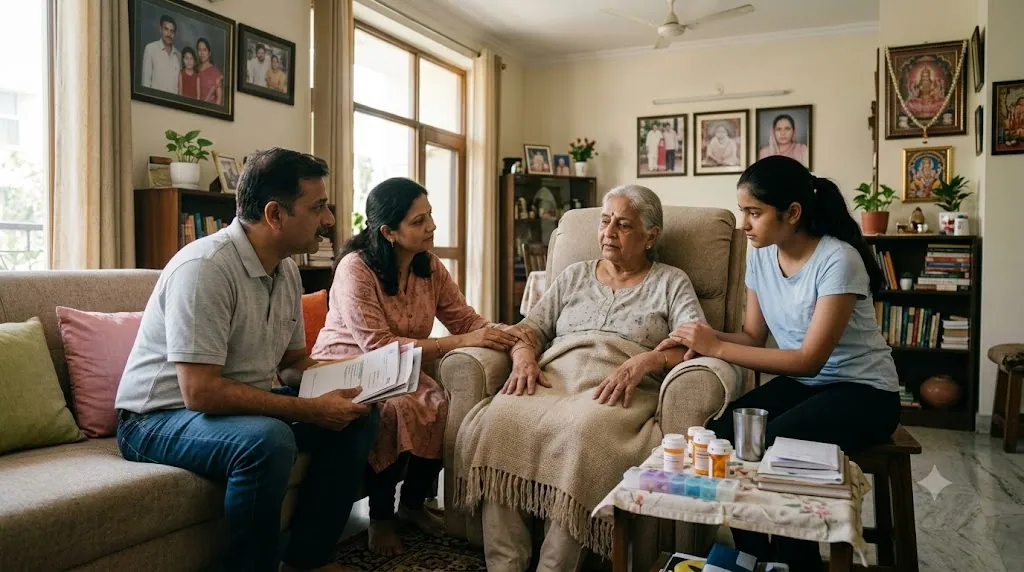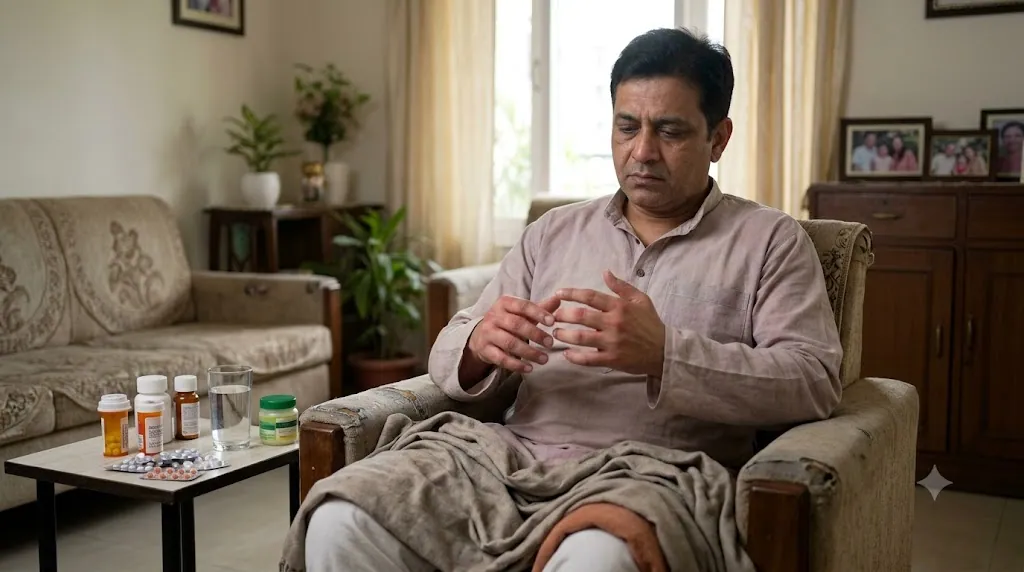
Understanding Myositis: Causes, Symptoms & Treatment
Myositis is a rare autoimmune condition that causes muscle inflammation, weakness, and fatigue. This guide explains its causes, symptoms, and effective treatment options to help patients manage the condition better.
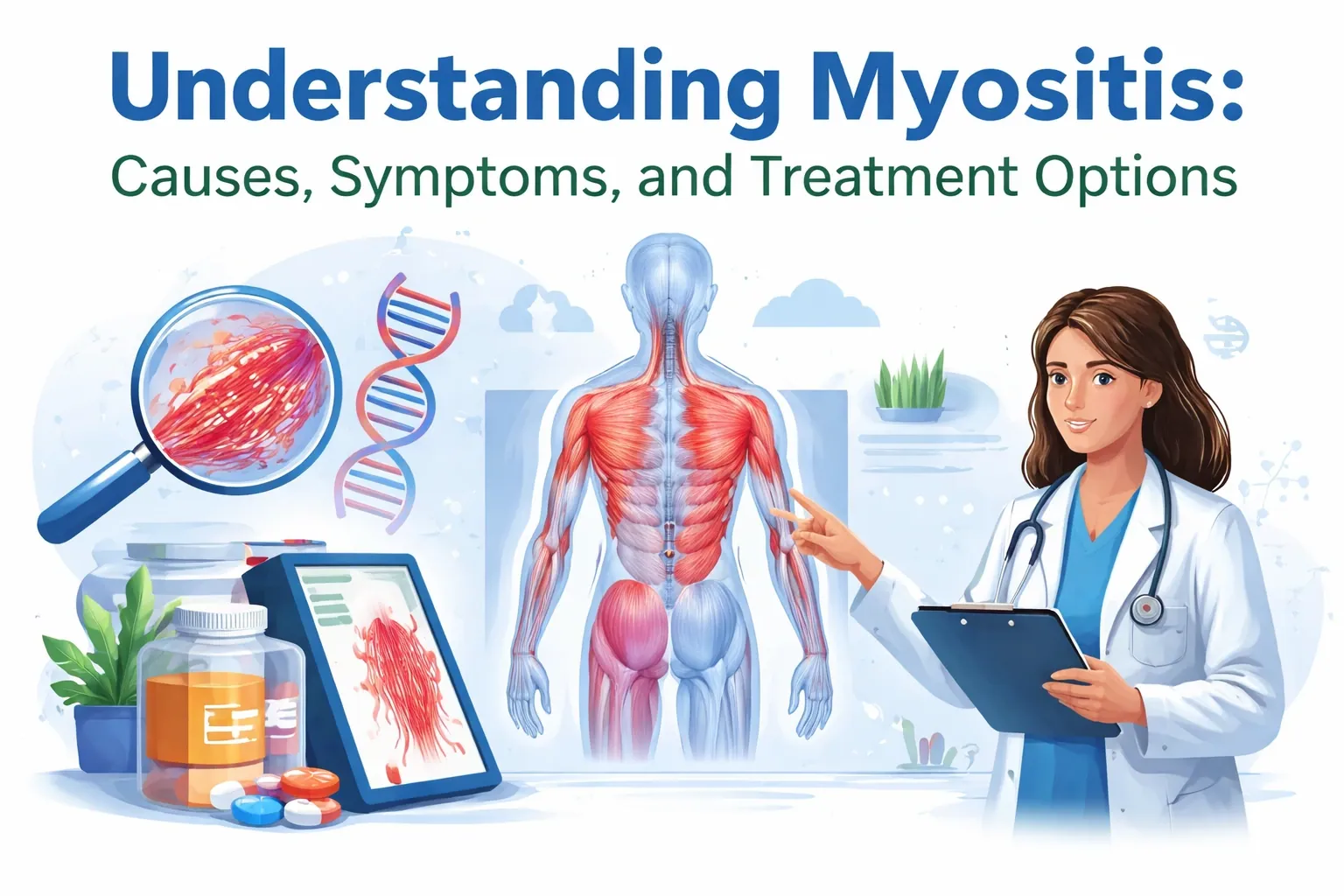
Understanding Myositis: Causes, Symptoms, and Treatment Options
Myositis is a group of rare autoimmune diseases that cause inflammation of the muscles. This condition can lead to muscle weakness, pain, and fatigue, making everyday activities difficult. Early diagnosis and proper treatment can help manage symptoms and improve quality of life.
What is Myositis?
Myositis refers to inflammation of the muscles, usually caused by the immune system mistakenly attacking healthy muscle tissue. It can affect people of all ages, although some types are more common in adults or children.
Causes of Myositis
The exact cause of myositis is not always known, but several factors may contribute:
- Autoimmune response where the body attacks its own muscles
- Genetic predisposition
- Viral infections
- Environmental triggers
- Certain medications
Common Symptoms of Myositis
Symptoms can vary depending on the type of myositis, but common signs include:
- Muscle weakness, especially in the hips, thighs, shoulders, and arms
- Difficulty climbing stairs or lifting objects
- Fatigue and low energy levels
- Muscle pain or tenderness
- Trouble swallowing (in some cases)
- Skin rashes (in dermatomyositis)
Types of Myositis
There are several types of myositis, including:
- Polymyositis – Affects multiple muscles, usually in adults
- Dermatomyositis – Includes muscle weakness and skin rash
- Inclusion Body Myositis – Common in older adults and progresses slowly
- Juvenile Myositis – Occurs in children
Diagnosis of Myositis
Diagnosing myositis involves multiple tests, such as:
- Blood tests to check muscle enzymes
- MRI scans to detect inflammation
- Muscle biopsy for confirmation
- Electromyography (EMG) to assess muscle function
Treatment Options for Myositis
While there is no complete cure, treatment can help control symptoms:
- Medications – Corticosteroids and immunosuppressants
- Physical therapy – Improves strength and flexibility
- Lifestyle changes – Balanced diet and regular exercise
- Supportive care – Managing fatigue and daily activities
Living with Myositis
Managing myositis requires a long-term approach. With proper medical care, lifestyle adjustments, and support, many people can lead active and fulfilling lives.
Conclusion
Understanding myositis is essential for early detection and effective treatment. If you experience persistent muscle weakness or fatigue, consult a healthcare professional for proper diagnosis and care.