Understanding Inflammatory Myopathy: Types, Causes and Treatment Path
Gain insights into inflammatory myopathy, including its types, causes, and treatment strategies, to better understand and manage this condition.
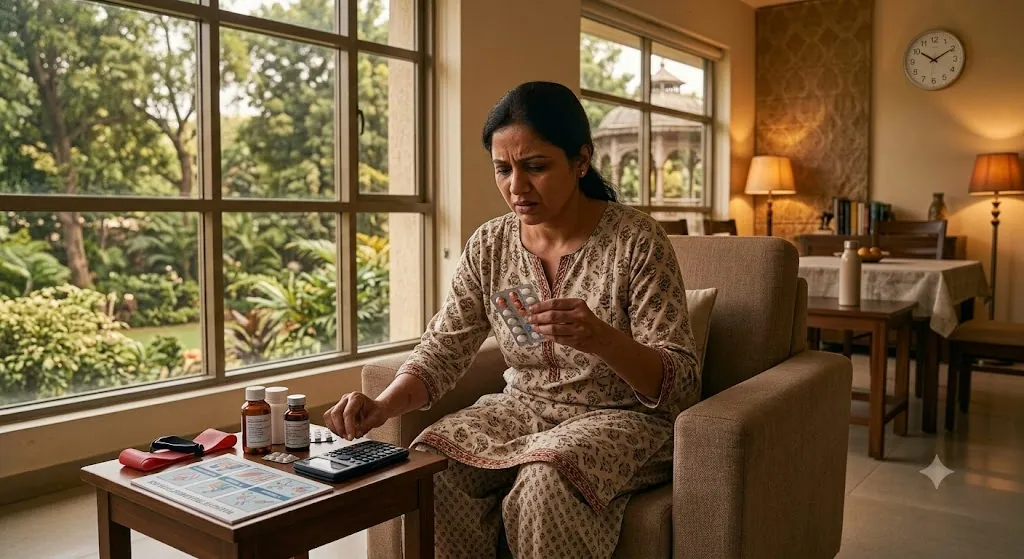
Inflammatory myopathy is not one single disease. It refers to a group of uncommon conditions in which the muscles become affected by an abnormal immune response, although the exact mechanisms differ between subtypes. These diseases can cause weakness, fatigue and difficulty performing everyday activities. Some can also affect the skin, lungs, joints, swallowing muscles and other organs.
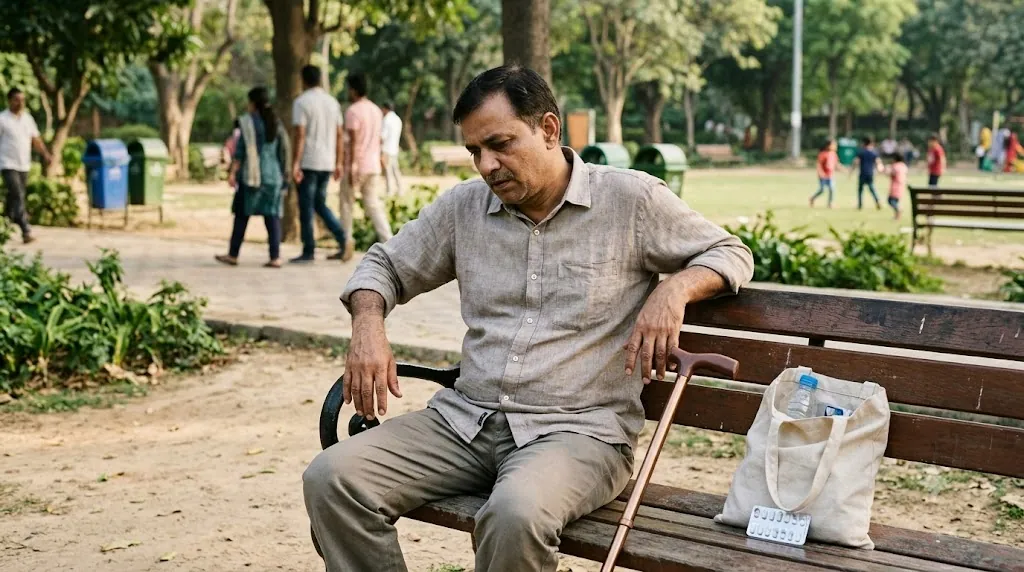
In India, unexplained muscle weakness is sometimes attributed to stress, nutritional deficiencies, ageing or lack of exercise. While these can have many legitimate causes, persistent or progressive weakness deserves medical evaluation.
What Are Inflammatory Myopathies?
The idiopathic inflammatory myopathies include several distinct conditions. The major recognised groups include dermatomyositis, antisynthetase syndrome, immune-mediated necrotising myopathy, overlap myositis and inclusion body myositis. Polymyositis remains a recognised term in some classifications, but true polymyositis is now considered much less common than previously thought and is generally diagnosed only after other inflammatory myopathies have been excluded. These conditions differ in their clinical features, underlying mechanisms, biopsy findings and responses to treatment.
The word "inflammatory" can sometimes be misleading. Not every patient experiences obvious muscle pain, and the degree of inflammation seen in laboratory tests does not always correspond directly to functional weakness.
Common Symptoms
The most recognisable symptom is muscle weakness, particularly in muscles around the hips and shoulders in several inflammatory myopathies.
Patients may find it difficult to:
- Climb stairs
- Rise from a chair
- Lift the arms above the head
- Carry groceries or other objects
- Comb or wash their hair
- Walk for their usual distance
Other symptoms depend on the subtype. Dermatomyositis can cause characteristic skin rashes, while some inflammatory myopathies can involve the lungs. Difficulty swallowing, joint symptoms and fatigue may also occur.
What Causes Inflammatory Myopathy?
The exact cause is not fully understood. These conditions are generally considered autoimmune diseases, meaning the immune system becomes involved in damaging the body's own tissues.
Several factors may contribute to disease development in different patients, including genetic susceptibility and environmental triggers. Certain inflammatory myopathies may also occur alongside other autoimmune conditions.
Some forms of immune-mediated necrotising myopathy have been associated with specific autoantibodies and, in some cases, exposure to statin medicines. This does not mean that statins generally cause myositis, and patients should never stop prescribed medicines without discussing the matter with their doctor.
Types of Inflammatory Myopathy
Dermatomyositis
Dermatomyositis can cause muscle weakness together with characteristic skin manifestations. Some patients have skin disease with little or no muscle involvement.
Polymyositis
True polymyositis is now considered rare. It typically presents with symmetrical proximal muscle weakness without the characteristic skin manifestations of dermatomyositis. Diagnosis requires careful exclusion of conditions such as antisynthetase syndrome, immune-mediated necrotising myopathy and inclusion body myositis.
Immune-Mediated Necrotising Myopathy
This condition can cause significant muscle weakness and markedly elevated muscle enzymes. Autoantibody testing can help identify particular subgroups, and treatment usually involves immunotherapy.
Inclusion Body Myositis
IBM has a different clinical pattern. It commonly begins after the age of 45 and characteristically affects the quadriceps and finger flexors, often progressing gradually. It is also much less responsive to conventional immunosuppressive treatment than several other inflammatory myopathies.
Antisynthetase Syndrome
Antisynthetase syndrome is an autoimmune inflammatory condition associated with specific antisynthetase antibodies. It can cause myositis, interstitial lung disease, inflammatory arthritis, Raynaud's phenomenon and characteristic skin changes such as “mechanic's hands.” In some patients, lung or joint disease may be more prominent than muscle weakness.
How Is Inflammatory Myopathy Diagnosed?
Diagnosis usually involves several pieces of evidence rather than one definitive test.
Doctors may request:
Blood tests: Creatine kinase and other muscle enzymes can indicate muscle injury. Myositis-specific autoantibodies may help identify particular disease subtypes.
MRI: Muscle MRI can show oedema, fatty replacement and other abnormalities that support diagnosis and help guide further assessment
EMG: Electromyography can help identify a muscle pattern and distinguish muscle disease from certain nerve disorders.
Muscle or skin biopsy: A biopsy may be required when the diagnosis remains uncertain or when tissue findings can distinguish between different conditions.
Depending on symptoms, doctors may also assess lung function, swallowing or other organs.
What Does the Treatment Path Look Like?
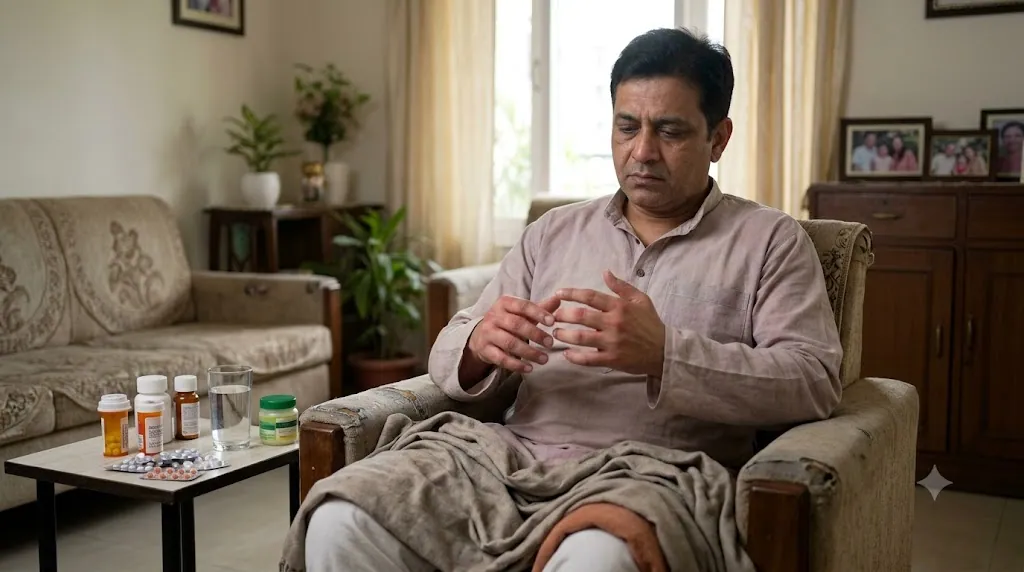
Treatment is determined by the subtype, severity and organs involved. For dermatomyositis, polymyositis and several other active inflammatory myopathies, corticosteroids are commonly used to control inflammation. Immunosuppressive medicines such as methotrexate, azathioprine or mycophenolate may be added or used as steroid-sparing treatment. Intravenous immunoglobulin and biologic therapies may be considered in selected patients, particularly when disease is severe or does not respond adequately to initial treatment.
Rehabilitation is equally important. Physical therapy, occupational therapy and, when required, speech and swallowing therapy can help preserve function and address complications. Exercise should be planned according to disease activity and the patient's physical condition.
For patients in India, treatment may involve a rheumatologist or neurologist, with dermatology, pulmonology, physiotherapy or other specialists brought in according to the symptoms.
Why Early Evaluation Matters
Inflammatory myopathy can affect more than muscles. Some subtypes are associated with lung disease, swallowing problems or other systemic complications. Adult-onset idiopathic inflammatory myopathies, particularly dermatomyositis and certain clinical or autoantibody-defined groups, are associated with an increased cancer risk around the time of disease onset
This does not mean that every person with myositis has cancer. It means that doctors may recommend age- and risk-appropriate screening based on the subtype and individual clinical features.
The Role of Myositis India
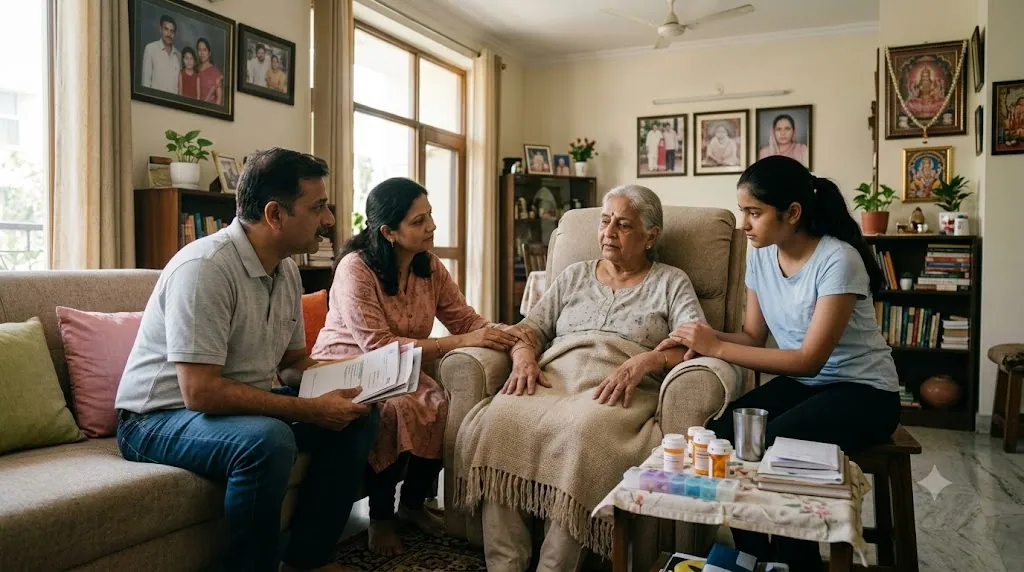
In India, patients and families often need reliable information alongside medical treatment. Myositis India, a unit of the Madalasa Foundation, works to raise awareness, support patients and caregivers, promote research and connect people affected by myositis with healthcare professionals. Its resources include educational material, patient support, specialist networks and information on clinical trials.
For someone navigating an unfamiliar diagnosis, this kind of support can help make the journey less isolating. However, Myositis India is a patient advocacy and support organisation rather than a hospital or clinic, so diagnosis and treatment decisions should remain with qualified medical professionals.
FAQs
Q. Is inflammatory myopathy the same as myositis?
The terms are often used together, but inflammatory myopathy refers specifically to a group of muscle diseases involving inflammatory or immune-mediated processes. Myositis is commonly used as a broader clinical term for these conditions.
Q. Can inflammatory myopathy be cured?
There is no single permanent cure for all inflammatory myopathies. Many forms can be controlled with appropriate treatment, while IBM follows a different and generally more slowly progressive course.
Q. Which doctor treats inflammatory myopathy in India?
Depending on the presentation, rheumatologists and neurologists commonly play central roles. Dermatologists, pulmonologists, physiotherapists and other specialists may also be involved.
Q. Is muscle weakness always caused by myositis?
No. Muscle weakness has many possible causes, including neurological, muscular, metabolic, nutritional and medication-related conditions. A proper medical evaluation is necessary before attributing weakness to myositis.