Best Myositis Treatment Centres in Delhi: A Patient's Guide
Looking for myositis treatment in Delhi? Our guide highlights the leading centres, ensuring you receive the best care for your condition.
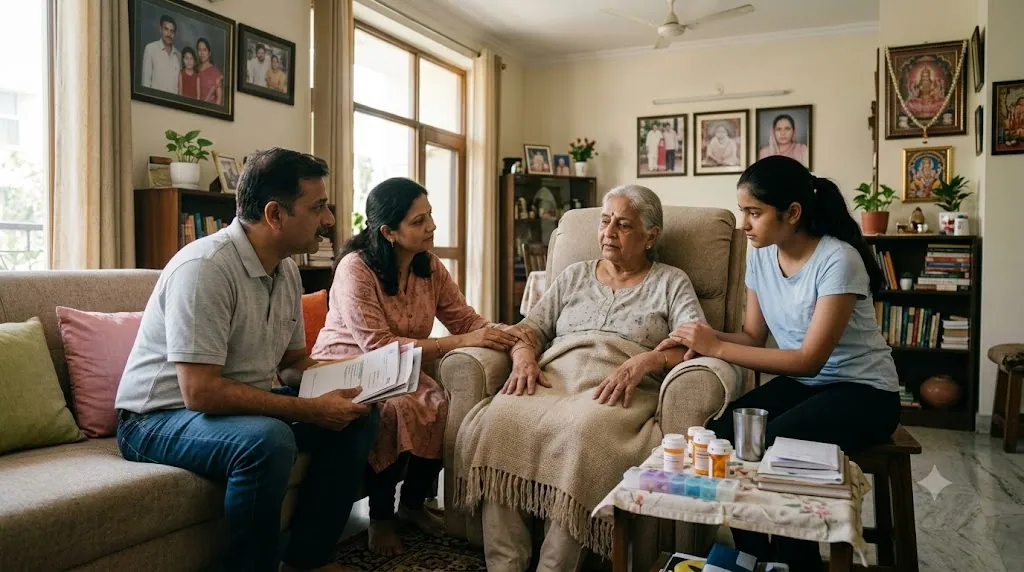
Finding the right place for myositis treatment in Delhi can be difficult, especially when symptoms such as muscle weakness, fatigue, difficulty climbing stairs or raising the arms are initially mistaken for other conditions. Myositis is a group of uncommon inflammatory muscle diseases, and some forms can also affect the skin, lungs, swallowing muscles and other organs. This makes specialist assessment important.
There is no single hospital that can be called the universally “best” myositis centre for every patient. The right choice depends on the type of myositis, disease severity, symptoms, investigations required and the specialists available for ongoing care.
What Should You Look for in a Myositis Centre?
Myositis is usually managed by specialists in rheumatology, neurology or related fields. A good centre should be able to investigate muscle weakness properly rather than treating it simply as general fatigue or a muscular problem.
Diagnosis may involve blood tests, including muscle enzymes and myositis-related antibodies, along with investigations such as MRI, electromyography and, when required, muscle or skin biopsy. Depending on the symptoms, assessment may also involve dermatology, pulmonology, gastroenterology or other specialties.
Treatment also needs to be individualised. Clinical guidelines recommend high-dose glucocorticoids for active muscle inflammation, with steroid-sparing medicines such as methotrexate, azathioprine, tacrolimus or mycophenolate mofetil considered for appropriate patients. IVIG and medicines such as rituximab may be considered in severe or treatment-resistant disease. A supervised exercise and rehabilitation programme is also an important part of care. Inclusion body myositis is managed differently because conventional immunosuppressive treatment generally does not stop its progression.
Hospitals and Specialist Care in Delhi
Delhi has several major tertiary-care hospitals with rheumatology and neuromuscular expertise. Patients looking for myositis treatment in Delhi can consider centres where specialist assessment, investigations, infusion facilities and multidisciplinary care are available.
The Department of Rheumatology at AIIMS New Delhi provides outpatient rheumatology services, a rheumatology day-care facility for intravenous infusions, procedures and musculoskeletal ultrasound, along with a clinical immunology laboratory. AIIMS also has a comprehensive neuromuscular disorders clinic under its neurology services, making it an important institution for patients whose symptoms require neuromuscular evaluation.
Sir Ganga Ram Hospital is another major Delhi institution with dedicated Rheumatology and Clinical Immunology services. Myositis India’s medical advisory board includes specialists associated with the hospital, including Dr Neeraj Jain, Vice Chairman and Senior Consultant in Rheumatology and Clinical Immunology.
Other large hospitals in Delhi and the National Capital Region also have rheumatology departments. However, patients should look beyond the hospital name and ask whether the treating team has experience with inflammatory myopathies and whether the investigations and allied specialties they may need are available.
What About the Cost of Treatment?
The cost of myositis treatment in India varies considerably. Consultation, blood tests, antibody panels, imaging, biopsies, medicines, hospitalisation, physiotherapy and treatments such as IVIG can all contribute to the overall expense.
Before beginning an expensive investigation or treatment, patients can ask the hospital about estimated costs, insurance requirements and whether prior authorisation is needed. Keeping copies of prescriptions, test reports, discharge summaries and treatment records can also make future consultations easier.
Do You Need a Myositis Specialist?
Not every patient needs to travel outside Delhi for every appointment. However, a specialist familiar with inflammatory myopathies can be particularly valuable when the diagnosis is uncertain, symptoms are progressing, treatment is not working as expected, or complications such as swallowing or breathing difficulties develop.
A second opinion can also be reasonable when there is uncertainty about diagnosis or treatment. Patients should carry previous reports rather than repeating investigations unnecessarily.
How Myositis India Can Help
Medical treatment must come from qualified healthcare professionals, but patients often need support beyond the consultation room. Myositis India, a unit of Madalasa Foundation, is a patient-focused non-profit working on myositis awareness, patient support, medical connectivity and research in India. It connects patients and caregivers with specialist networks, educational resources and community support, but it is not a hospital and does not directly provide medical treatment.
For someone searching for myositis treatment in Delhi or myositis treatment in India, this distinction matters. The right hospital provides medical care, while organisations such as Myositis India can help patients find information, connect with specialists and feel less isolated while living with a rare disease.
Frequently Asked Questions
1. Which doctor treats myositis?
Rheumatologists and neurologists commonly manage myositis, depending on the type and symptoms. Dermatologists may also be involved in dermatomyositis, while other specialists may be needed for lung, swallowing or other complications.
2. Is myositis curable?
There is currently no simple cure for all forms of myositis. Treatment aims to control inflammation, preserve muscle function, manage complications and achieve the best possible long-term disease control.
3. Can physiotherapy help with myositis?
Yes. A safe, individually designed exercise and rehabilitation programme can help improve function, strength and quality of life. Exercise intensity should be guided by the patient's disease activity and physical condition.
4. Can I get a second opinion for myositis?
Yes. A second opinion can be useful when the diagnosis is uncertain, symptoms continue despite treatment, or a major change in treatment is being considered. Carrying previous medical records can make the consultation more useful.
5. Is Myositis India a treatment centre?
No. Myositis India is a non-profit patient-support and advocacy organisation. It helps connect patients with verified healthcare professionals and resources but does not function as a hospital or clinic.