Inclusion Body Myositis (IBM): Symptoms, Diagnosis and Management
Discover the symptoms, diagnosis, and management strategies for Inclusion Body Myositis (IBM) to enhance understanding and improve patient care.

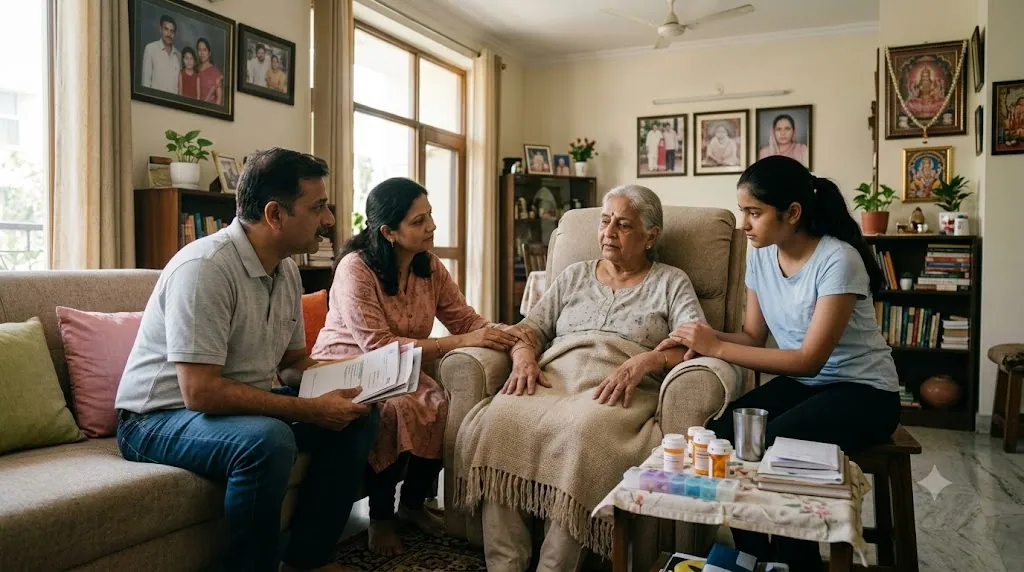
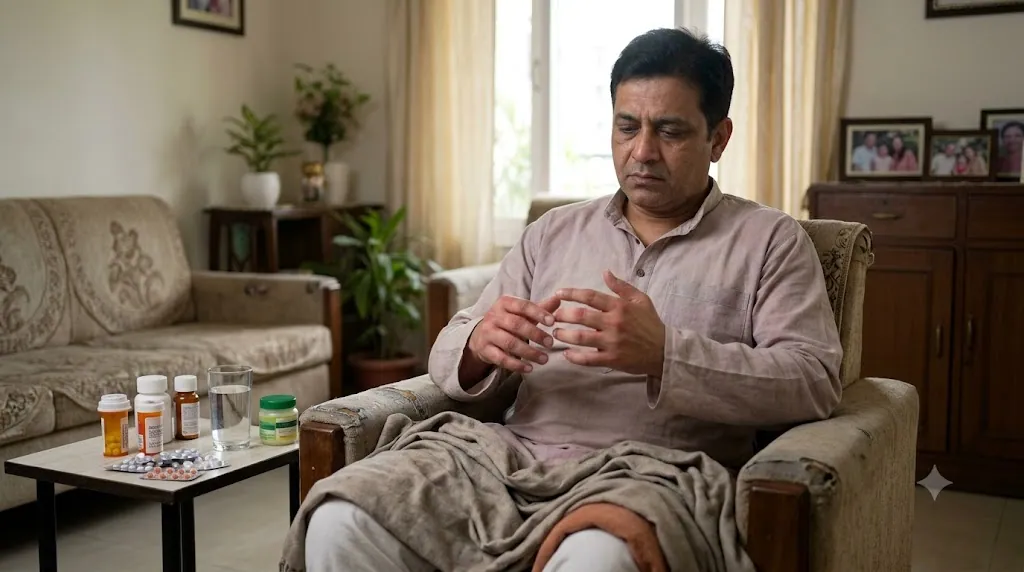
Not every form of muscle weakness follows the same pattern. Inclusion body myositis, commonly called IBM, is a distinct muscle disease that tends to develop gradually, particularly in adults over the age of 50. Unlike several other forms of inflammatory myopathy, IBM usually progresses slowly and has a characteristic pattern of muscle weakness.
For patients in India, recognising this pattern is important because symptoms such as repeated falls, difficulty climbing stairs or a weakening grip may initially be attributed to ageing, arthritis or general weakness.
What Is Inclusion Body Myositis?
Inclusion body myositis is a chronic muscle disease characterised by progressive weakness and muscle wasting. It is the most common idiopathic inflammatory myopathy in adults over 50 and occurs more often in men than women.
IBM differs biologically from conditions such as dermatomyositis and polymyositis. Muscle tissue can show inflammation, but it can also contain abnormal protein accumulations and characteristic vacuoles. The combination of inflammatory and degenerative changes is one reason IBM behaves differently from other myositis conditions.
Recognising the Symptoms
The pattern of weakness in IBM is particularly important.
The quadriceps muscles at the front of the thighs are frequently affected, which can make standing from a chair, climbing stairs or walking difficult. Finger-flexor weakness can affect grip and make tasks such as opening containers, writing, using keys or handling utensils harder.
Other symptoms can include:
- Frequent falls
- Difficulty walking
- Foot drop or tripping
- Difficulty rising from a seated position
- Weakness and wasting of the thighs or forearms
- Reduced hand grip
- Difficulty swallowing
Weakness is often asymmetric, meaning one side can be affected more than the other. This pattern can provide an important clue during a neurological examination.
Why Is IBM Sometimes Diagnosed Late?
IBM generally progresses slowly. A person may adapt to changes for years before seeking medical attention. Someone may stop climbing stairs, use a handrail more often or avoid certain activities without immediately recognising these changes as symptoms of a muscle disease.
In India, where awareness of rare neuromuscular disorders remains limited, this gradual progression can contribute to delayed diagnosis. Persistent or worsening weakness should therefore not simply be dismissed as normal ageing.
How Is Inclusion Body Myositis Diagnosed?
There is no single blood test that establishes IBM in every patient. Doctors consider the person's age, duration and pattern of weakness, physical examination and laboratory findings.
Creatine kinase may be elevated, although levels are often not as high as in some other inflammatory myopathies. Electromyography and muscle MRI may provide additional information.
A muscle biopsy can be particularly important. Findings supporting definite IBM include inflammation involving muscle fibres, rimmed vacuoles and abnormal protein deposits. The clinical picture is considered alongside biopsy findings rather than in isolation.
A biopsy can strongly support the diagnosis, but characteristic clinical IBM can sometimes occur even when every classic pathological feature is not seen on the first biopsy.
Because several neurological and muscular conditions can produce similar symptoms, diagnosis should be made by an appropriate specialist.
How Is IBM Managed?
IBM presents a major treatment challenge. Unlike dermatomyositis and polymyositis, it generally does not respond well to conventional immunosuppressive treatment. At present, there is no established treatment that reliably stops or reverses the progressive muscle weakness of IBM.
Management therefore places considerable emphasis on maintaining function and independence.
Physiotherapy and carefully planned exercise can help preserve mobility and strength. Occupational therapy may help patients adapt everyday activities and make the home safer. Where swallowing is affected, a swallowing assessment and appropriate dietary or speech therapy may be necessary.
Assistive devices such as walking aids may also be useful when recommended by a healthcare professional. The goal is not simply to treat a laboratory abnormality, but to help the person remain as safe and independent as possible.
IBM Treatment in the Indian Context
There is no standard medicine that should be taken by every person with IBM. Treatment decisions need to account for age, disease progression, swallowing difficulties, mobility, other medical conditions and the risk of falls.
A neurologist with experience in neuromuscular disorders may play a central role, while physiotherapists, occupational therapists and other specialists may contribute to long-term care.
Patients should also be cautious about unproven claims of a cure. Because IBM is a rare condition with limited effective drug options, treatments advertised without adequate clinical evidence can create unnecessary expense and false expectations.
The Role of Myositis India
For people living with a rare disease, medical care is only one part of the journey. Myositis India, a non-profit initiative of the Madalasa Foundation, works across India to improve awareness, provide patient and caregiver support, promote research and connect the myositis community with healthcare professionals. It also provides educational resources, support services and information about clinical trials.
Such patient support can be particularly valuable for people with IBM, whose condition may progress slowly and require long-term adaptations. Myositis India is not a hospital or clinic and does not replace medical care, but acts as a support and information platform for patients and families.
FAQs
Q. Is inclusion body myositis hereditary?
Sporadic inclusion body myositis is not usually inherited. Some genetic muscle diseases, such as GNE myopathy and other hereditary rimmed-vacuole myopathies, may share certain pathological features but are distinct conditions.
Q. Does IBM cause muscle pain?
Pain or discomfort can occur, but progressive weakness is the main feature. The pattern of weakness is usually more diagnostically useful than pain alone.
Q. Can IBM affect swallowing?
Yes. Difficulty swallowing, or dysphagia, is a recognised complication and should be discussed with a doctor because it can affect nutrition and safety.
Q. Does physiotherapy help with IBM?
Rehabilitation and appropriately planned exercise are important components of IBM management and can help maintain physical function and safety.