Polymyositis vs Dermatomyositis: Key Differences Every Patient Should Know
Learn about the essential distinctions between polymyositis and dermatomyositis. This guide provides crucial insights for patients seeking effective treatment options.
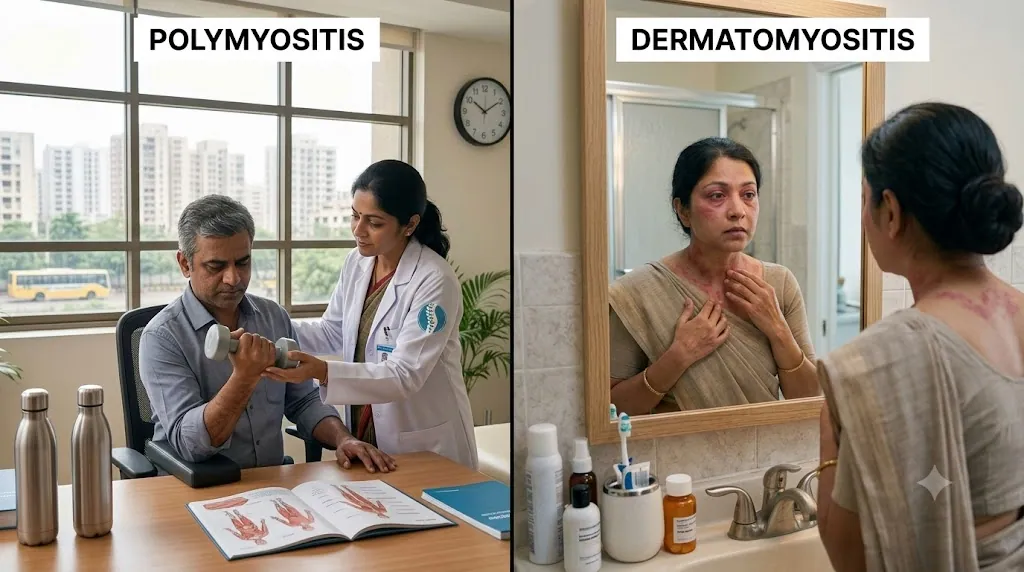
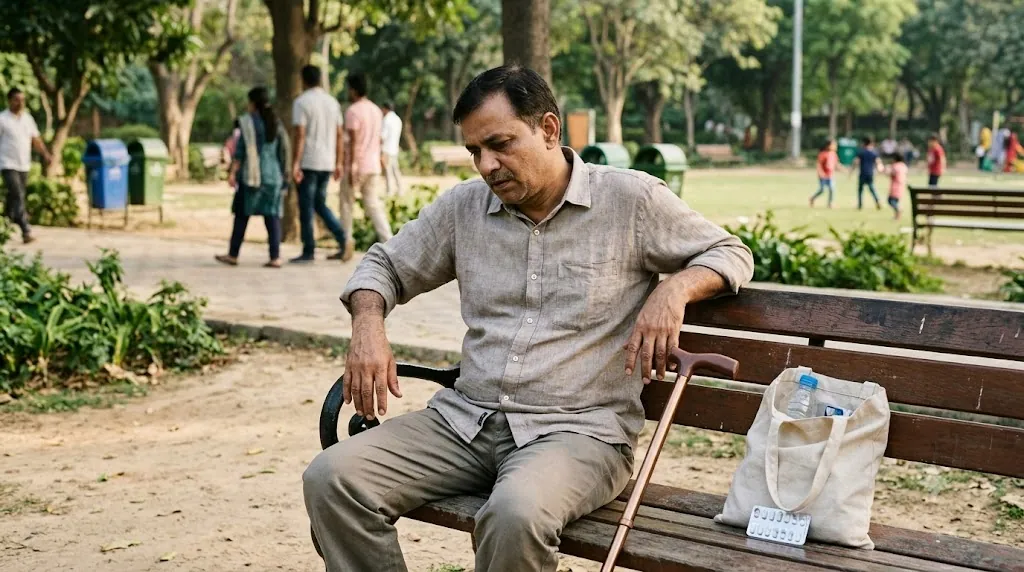
Muscle weakness can have many causes, but when it develops gradually and begins interfering with everyday activities, an inflammatory muscle disease may need to be considered. Polymyositis and dermatomyositis have historically been discussed together, but advances in antibody testing, muscle pathology and disease classification have shown that true polymyositis is much less common than once believed. Many patients previously diagnosed with polymyositis are now classified as having another inflammatory myopathy. However, they are not the same disease.
Understanding the difference matters because the symptoms outside the muscles, investigations and treatment plan can vary from one person to another. In India, where myositis is still relatively unfamiliar to many patients, recognising the signs can also help people seek appropriate specialist care sooner.
What is Polymyositis?
Polymyositis is a rare inflammatory myopathy characterised by muscle weakness without the characteristic skin findings of dermatomyositis. Today, it is generally considered a diagnosis of exclusion, made only after other inflammatory muscle diseases such as antisynthetase syndrome, immune-mediated necrotising myopathy and inclusion body myositis have been carefully ruled out.
A person may notice difficulty climbing stairs, getting up from a chair, lifting objects above the head or carrying out activities that previously felt easy. Muscle pain can occur, although weakness is generally the more important feature.
Diagnosis requires careful exclusion of other causes of inflammatory muscle weakness and may involve clinical examination, CK and other muscle enzymes, autoantibody testing, MRI, EMG and muscle biopsy.
What is Dermatomyositis?
Dermatomyositis also causes muscle inflammation and weakness, but its defining feature is skin involvement. Characteristic rashes can appear around the eyelids, knuckles, elbows, knees, chest, neck or upper back.
The heliotrope rash around the eyes and Gottron papules or signs over the knuckles are particularly recognised features. Some people can develop dermatomyositis-related skin disease with little or no muscle weakness, a form known as clinically amyopathic dermatomyositis.
Like polymyositis, dermatomyositis can affect muscles around the hips and shoulders, making tasks such as climbing stairs, rising from a chair or lifting the arms difficult.
Polymyositis vs Dermatomyositis: What Is the Difference?
The most visible difference is that dermatomyositis has characteristic skin manifestations, whereas polymyositis does not. However, the distinction goes deeper than the presence or absence of rash. The two conditions have different pathological and immunological features, and true polymyositis is diagnosed only after other defined inflammatory myopathies have been excluded.
There are also differences at the microscopic and immunological levels. Specific autoantibodies can help identify disease subtypes and associated clinical patterns. Doctors may therefore order a myositis antibody panel when inflammatory myopathy is suspected.
Both conditions can involve organs beyond skeletal muscle. Lung involvement, including interstitial lung disease, can occur in some inflammatory myopathies. Joint symptoms and swallowing difficulties may also occur. This is why diagnosis should look beyond muscle weakness alone.
How Are They Diagnosed in India?
A patient may initially visit a physician because of unexplained weakness or persistent fatigue. Depending on the symptoms, a rheumatologist, neurologist or dermatologist may become involved.
The evaluation can include:
- Creatine kinase and other muscle enzymes
- Myositis-specific autoantibodies
- MRI of affected muscles
- Electromyography
- Muscle biopsy when required
- Skin examination or skin biopsy in suspected dermatomyositis
- Lung, swallowing or cardiac assessments when symptoms suggest organ involvement
The exact tests depend on the individual's presentation. A high CK level alone does not establish the specific type of myositis.
How Are They Treated?
Treatment depends on disease subtype, severity and organ involvement. For active dermatomyositis and polymyositis, corticosteroids are commonly used initially, often alongside steroid-sparing medicines such as methotrexate, azathioprine or mycophenolate in appropriate patients. Intravenous immunoglobulin and other therapies may be considered in selected situations.
Physiotherapy and appropriately supervised exercise are also important. Treatment should be individualised because excessive or inappropriate exertion may not be suitable during active disease.
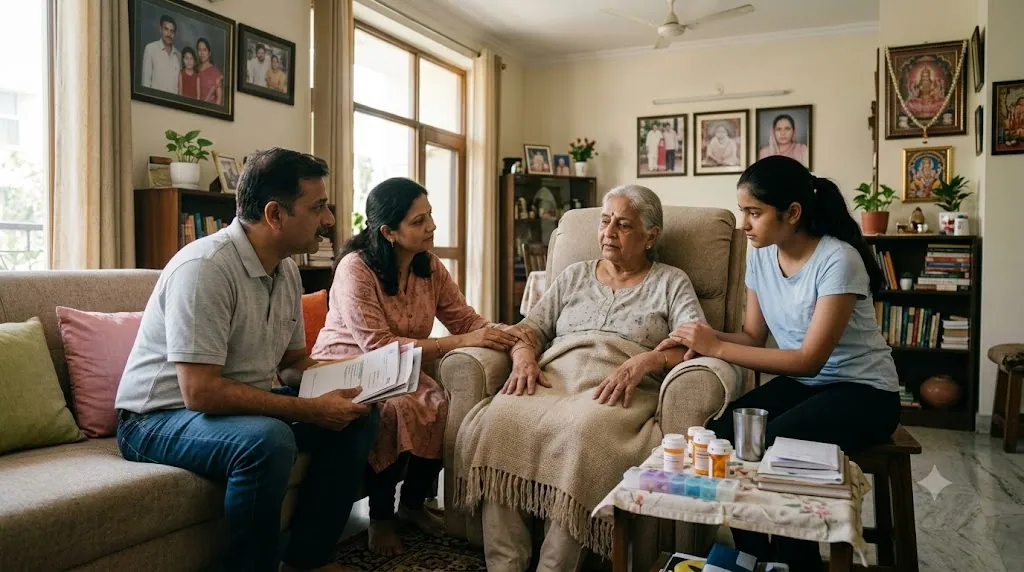
For patients in India, care may involve more than one specialist. Access to rheumatology, neurology, dermatology, pulmonology and rehabilitation services can be particularly useful when symptoms involve several systems.
The Role of Myositis India
Living with a rare disease can be difficult when information and specialist pathways are unfamiliar. Myositis India, a non-profit initiative of the Madalasa Foundation, works to improve awareness, patient support, medical connectivity and research for people affected by myositis in India. Its platform connects patients, caregivers and healthcare professionals and provides educational resources, support services and information about clinical research.
For someone trying to understand a new diagnosis, such resources can provide a useful starting point alongside professional medical care. Myositis India does not function as a hospital or clinic, so diagnosis and treatment decisions should always be made with a qualified healthcare professional.
Frequently Asked Questions
- Is polymyositis more serious than dermatomyositis?
Neither condition can be labelled as universally more serious. Severity depends on disease activity, muscle involvement, associated organ problems and how well the disease responds to treatment.
- Can dermatomyositis occur without muscle weakness?
Yes. Clinically amyopathic dermatomyositis involves characteristic skin disease without clinically evident muscle weakness.
- Does a high CK level confirm myositis?
No. CK can indicate muscle injury but does not by itself establish the cause. Diagnosis requires assessment of symptoms, examination and other investigations.
- Can polymyositis be cured?
True polymyositis is rare and generally requires long-term management rather than being considered permanently cured. Treatment aims to control inflammation, preserve muscle function and achieve sustained disease control where possible.
- Which doctor should I see for suspected myositis?
A rheumatologist or neurologist with experience in inflammatory muscle diseases can assess suspected myositis. A dermatologist may also be involved when characteristic skin symptoms are present.