Autoimmune Diseases in India: Rising Awareness and Access to Care
Discover the rise in awareness of autoimmune diseases in India and learn about vital healthcare resources and programs enhancing patient care and access.
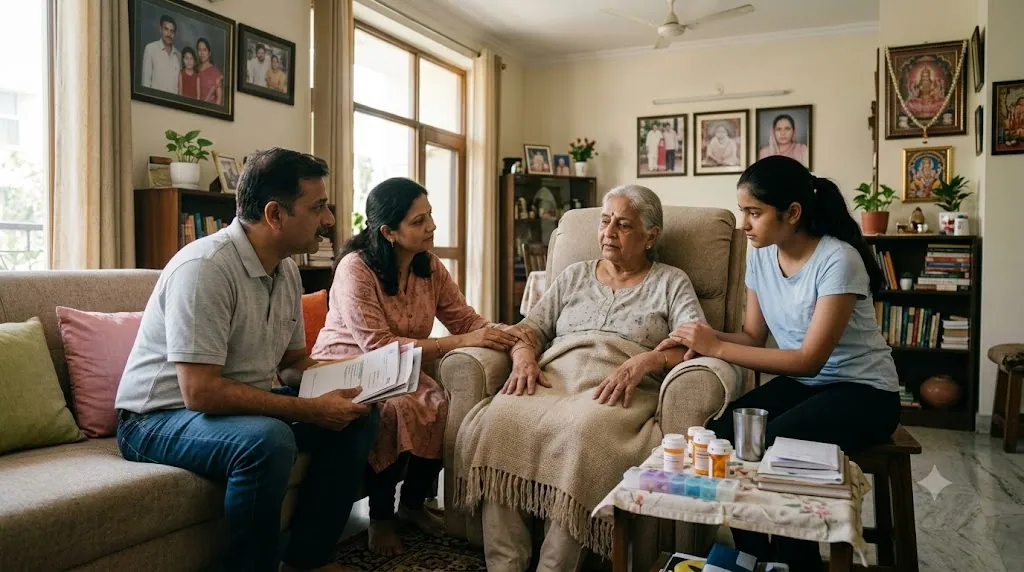
Autoimmune diseases are receiving greater attention in Indian healthcare, but awareness does not always translate into timely diagnosis or easy access to specialist care. Conditions such as lupus, rheumatoid arthritis, Sjögren's syndrome, scleroderma and inflammatory muscle diseases can present with symptoms that overlap with many more common illnesses.
For patients, this can make the journey to a correct diagnosis complicated. For healthcare systems, it highlights the need for greater awareness, specialist training and coordinated long-term care.
Understanding Autoimmune Diseases in India
Autoimmune diseases occur when the immune system mistakenly attacks the body's own tissues. They can affect joints, skin, muscles, blood vessels, the nervous system, digestive organs and several other parts of the body.
India does not yet have comprehensive national data for every autoimmune condition. Therefore, claims that autoimmune diseases as a whole are definitively “rising” nationally should be treated carefully.
What is clearer is that recognition and specialist services are developing. Indian institutions and professional organisations are increasingly involved in rheumatology education, research and public awareness.
Why Diagnosis Can Take Time
Autoimmune diseases rarely follow one universal pattern. A patient may initially experience fatigue, joint pain, rashes, fever or weakness. These symptoms can resemble infections, orthopaedic conditions, neurological disorders or other common illnesses.
Recent Indian studies in conditions such as rheumatoid arthritis and systemic lupus erythematosus have identified barriers including limited awareness of rheumatology, delayed referral, treatment through other specialties, socioeconomic constraints and distance from specialist services.
For someone with a rare condition, these challenges can become even more significant because fewer clinicians may encounter the disease regularly.
The Importance of Rare Disease Awareness
Rare disease awareness is not only about knowing the names of uncommon conditions. It also means recognising when an unusual combination of symptoms deserves further investigation.
The Government of India's National Policy for Rare Diseases, 2021 recognises the challenges associated with rare diseases, including limited clinical experience, inadequate long-term data and difficulties in accessing treatment. The policy also highlights the importance of collaboration between healthcare professionals, researchers and patient groups.
The policy applies to specified rare diseases and should not be interpreted as covering autoimmune diseases as a category.
Awareness can therefore help at several levels, from encouraging patients to seek appropriate medical advice to helping healthcare professionals recognise conditions that they may encounter less frequently.
Access to Specialist Care in India
Autoimmune disease management often requires long-term follow-up rather than a single consultation. Depending on the condition, care may involve rheumatologists, neurologists, dermatologists, pulmonologists, gastroenterologists, physiotherapists and other specialists.
India has established specialist centres, particularly in major cities, but access is not uniform across the country. Distance, cost and availability of trained specialists can affect whether patients reach appropriate care.
For this reason, improving awareness at the primary-care level is important. Indian studies have specifically identified gaps in knowledge and referral pathways as contributors to delays in specialist care.
Where Do Healthcare NGOs Fit In?
Healthcare NGOs and patient organisations can support the parts of healthcare that extend beyond the consultation room. They can provide educational material, connect patients with communities, facilitate awareness programmes and help families navigate information about chronic or rare diseases.
However, an NGO should not be treated as a substitute for diagnosis or treatment by a qualified medical professional.
For people with rare autoimmune diseases, a reliable patient organisation can nevertheless make the healthcare journey less confusing by helping them find credible information and understand what questions to ask their medical team.
Myositis India and Rare Disease Support
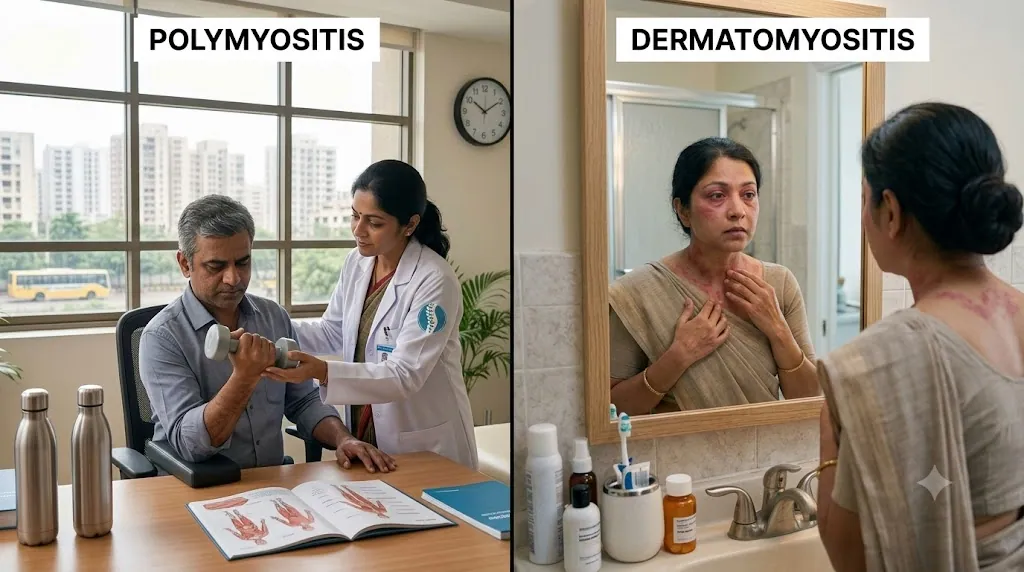
Myositis India, a unit of the Madalasa Foundation, is a patient advocacy organisation focused specifically on myositis in India. It works on awareness, patient and caregiver support, medical connectivity and research. Its platform brings together patients, healthcare professionals and researchers and provides educational resources, support groups, specialist information and clinical-trial resources.
As a myositis NGO in India, its role is particularly relevant for a condition that many people may never have heard of before diagnosis. By improving access to information and community support, organisations such as Myositis India can complement formal healthcare while helping patients and families navigate a rare disease.
FAQs
Are autoimmune diseases common in India?
Autoimmune diseases as a broad category include many different conditions, so there is no single reliable national figure that represents all of them. Individual autoimmune diseases vary considerably in frequency.
Why are autoimmune diseases difficult to diagnose?
Their symptoms can be non-specific and may overlap with infections, neurological conditions, hormonal disorders and other diseases. Some also fluctuate over time.
Which doctor treats autoimmune diseases?
A rheumatologist commonly manages many systemic autoimmune diseases. Depending on the affected organ, other specialists may also be involved.
What does a myositis NGO in India do?
A myositis NGO such as Myositis India can provide awareness, education, patient support, specialist connectivity and research-related resources. It does not replace medical treatment.