The Contribution of Healthcare NGOs in India to Myositis Research and Support
Learn about the significant contributions of healthcare NGOs in India towards myositis research and the support they provide to improve patient outcomes.
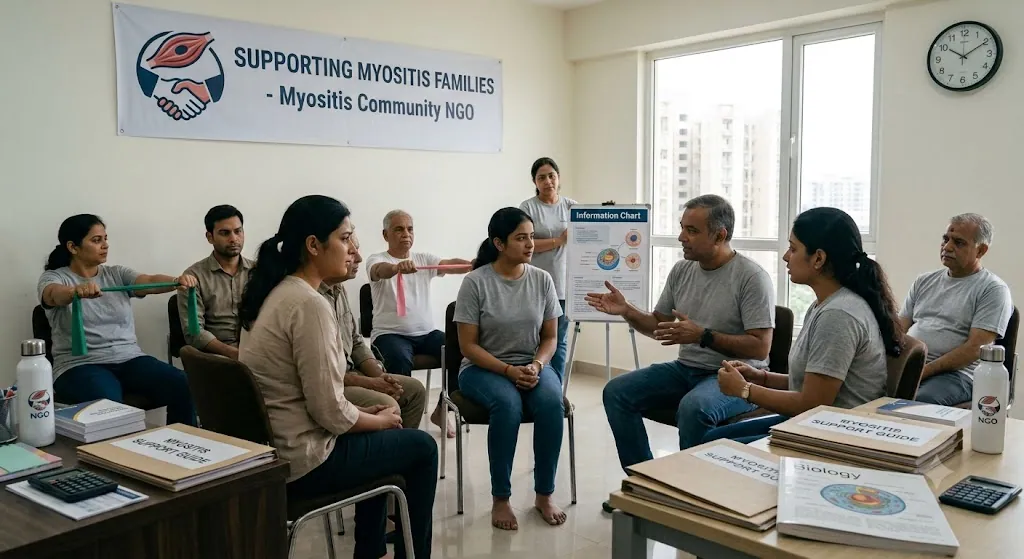
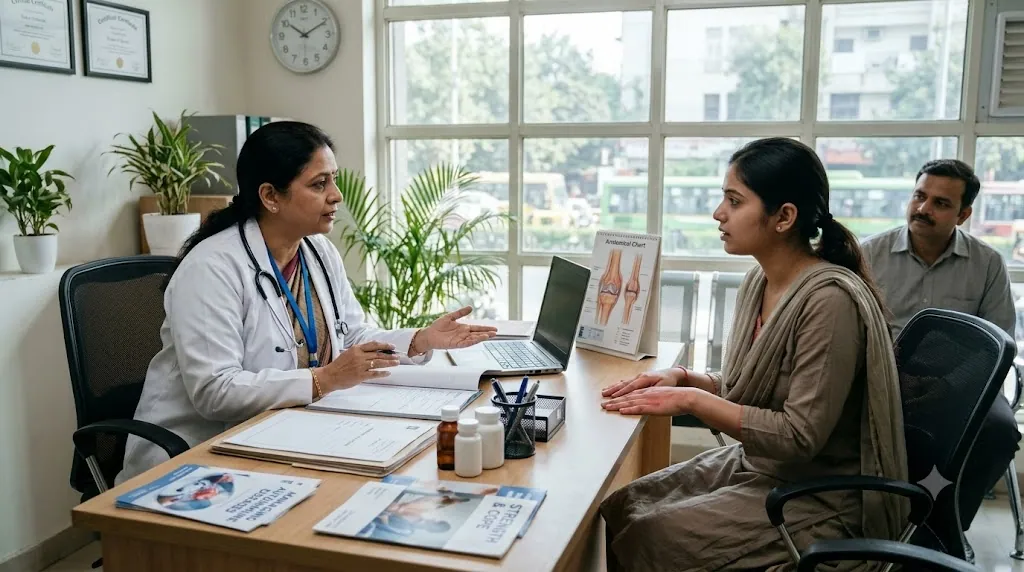
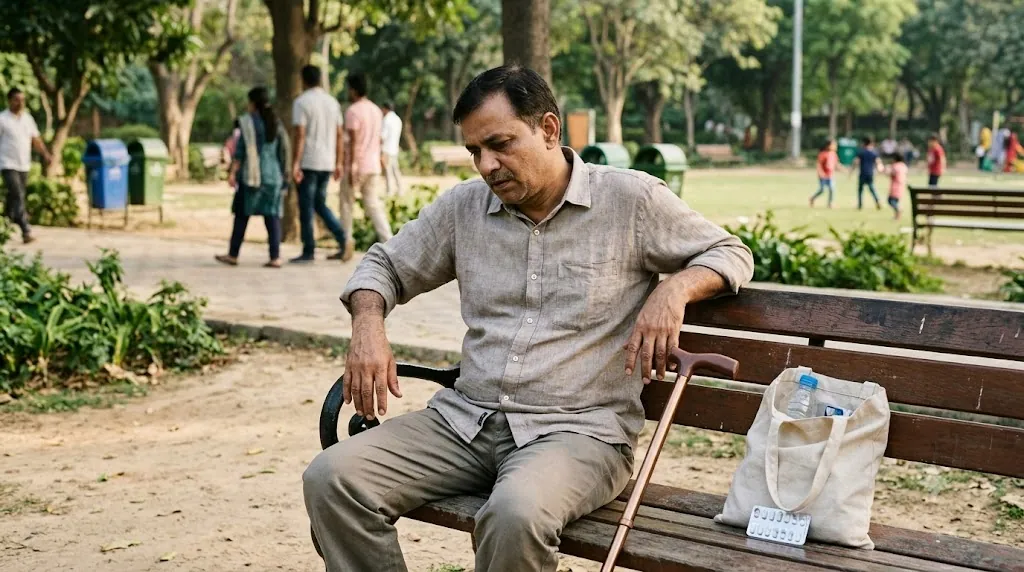
Rare diseases often exist in the shadows of public healthcare conversations. Among them is myositis, a group of autoimmune muscle diseases that remains largely unfamiliar to many people in India. For patients and families, the journey often begins with unexplained muscle weakness, repeated consultations, delayed diagnosis, and feelings of isolation.
In this landscape, healthcare non-governmental organisations have emerged as an important source of support. Their role goes far beyond awareness campaigns. They are helping patients find answers, connect with specialists, participate in research initiatives, and build communities that make living with a rare disease less lonely.
Understanding Myositis and Why Awareness Matters
Many people still ask, what is myositis?
Myositis refers to a group of rare autoimmune disorders in which the body's immune system mistakenly attacks healthy muscles, leading to inflammation and weakness. Common forms include:
- Dermatomyositis
- Polymyositis
- Inclusion Body Myositis (IBM)
- Anti-synthetase Syndrome
- Immune-Mediated Necrotising Myopathy
Symptoms can vary significantly, but common signs include:
- Persistent muscle weakness, particularly in the shoulders and hips
- Difficulty climbing stairs or getting up from a chair
- Trouble swallowing
- Skin rashes in certain subtypes
- Fatigue and body aches
- Breathlessness in cases involving lung disease
Because these symptoms can resemble many other conditions, patients frequently experience delayed diagnosis. Studies from different countries have shown that rare disease patients often spend years searching for an accurate diagnosis, and India faces similar challenges due to limited awareness and a shortage of specialised centres.
This makes rare disease awareness particularly important.
The Growing Role of Healthcare NGOs in India
Healthcare NGOs in India have historically played a major role in diseases such as cancer, HIV, thalassaemia, and mental health. Increasingly, they are also becoming essential partners in the rare disease ecosystem.
For conditions like myositis, NGOs help bridge several gaps:
Creating Awareness
Public understanding of autoimmune diseases remains limited in India. Many patients initially attribute symptoms to ageing, nutritional deficiencies, stress, or overwork.
Through educational webinars, patient stories, social media campaigns, and community events, NGOs help people recognise that persistent muscle weakness may indicate an underlying autoimmune muscle disease rather than ordinary fatigue.
Awareness also helps reduce stigma and encourages earlier medical consultation.
Supporting Patients and Families
Living with myositis affects every aspect of daily life. Patients may struggle with mobility, employment, emotional wellbeing, and financial stress.
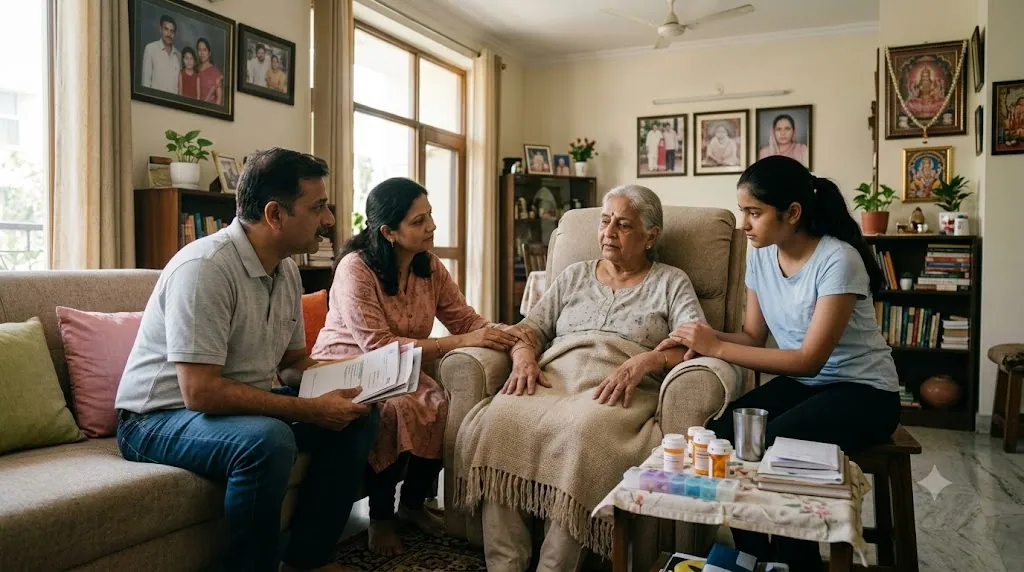
Healthcare NGOs often provide:
- Information on the disease and treatment options
- Guidance regarding specialist centres and physicians
- Emotional support through patient communities
- Caregiver education and counselling resources
- Opportunities to connect with others facing similar challenges
For many families, speaking with another patient who understands the condition can be deeply reassuring.
Improving Access to Reliable Information
Rare diseases are often surrounded by misinformation.
Patients frequently encounter conflicting advice regarding diets, alternative therapies, or unverified cures. NGOs play an important role in ensuring that information shared with patients is medically accurate and based on current scientific understanding.
This becomes particularly valuable in diseases like myositis, where treatment plans can be complex and may involve rheumatologists, neurologists, pulmonologists, physiotherapists, and dermatologists.
NGOs and Rare Disease Research
Research in rare diseases depends heavily on collaboration between doctors, researchers, patients, and advocacy groups.
Healthcare NGOs contribute to research by:
Building Patient Registries
Patient registries help researchers understand:
- Disease prevalence
- Different clinical presentations
- Treatment outcomes
- Long-term complications
Such information is particularly important in India because reliable epidemiological data on myositis remains limited.
Encouraging Participation in Clinical Research
Clinical trials are essential for developing better treatments.
However, many patients remain unaware of ongoing studies or are hesitant due to misconceptions regarding research participation.
NGOs can:
- Educate patients about clinical trials
- Explain consent processes
- Help identify suitable research centres
- Connect patients with investigators
This contributes to faster progress in understanding and treating rare autoimmune diseases.
Supporting Collaboration
Patient advocacy organisations often facilitate conversations between clinicians, researchers, pharmaceutical companies, and policy makers.
These collaborations can ultimately improve access to new therapies and strengthen rare disease policies in India.
The Role of Myositis India
Among organisations working in this field, Myositis India has emerged as a significant support system for patients and caregivers.
As a patient advocacy organisation dedicated to myositis, it works to increase awareness, provide educational resources, connect patients with experts, and encourage informed decision-making.
Its efforts include:
- Conducting patient and physician webinars
- Providing information about treatment options and clinical trials
- Building patient support communities
- Facilitating dialogue between patients and specialists
- Promoting awareness regarding early diagnosis and multidisciplinary care
For many individuals living with myositis, finding a community that understands the disease can make an enormous difference. Organisations like Myositis India help patients realise that they are not alone in their journey.
Why India Needs Stronger Rare Disease Advocacy
India's National Policy for Rare Diseases has brought much-needed attention to conditions that were previously neglected. Yet significant challenges remain.
These include:
- Limited awareness among the general public
- Delayed diagnosis
- Unequal access to specialised care
- Financial burden of long-term treatment
- Insufficient epidemiological data
Healthcare NGOs can play a crucial role in addressing these gaps.
By amplifying patient voices and advocating for better healthcare systems, these organisations help move rare diseases from the margins into mainstream healthcare discussions.
Looking Ahead
The future of myositis care in India depends not only on medical advances but also on community support, awareness, and advocacy.
Every awareness campaign, patient webinar, support group meeting, and research initiative contributes to a larger goal: ensuring that no patient spends years searching for answers alone.
Healthcare NGOs have shown that meaningful change often begins with information, empathy, and collective action.
For patients living with myositis and other rare autoimmune conditions, these organisations provide something equally important as treatment: hope, understanding, and a sense of belonging.
Frequently Asked Questions
1. What is myositis?
Myositis is a group of rare autoimmune diseases in which the immune system attacks healthy muscles, causing inflammation, muscle weakness, fatigue, and sometimes skin, lung, or swallowing problems.
2. What are the common causes of muscle weakness in myositis?
The muscle weakness in myositis occurs because ongoing inflammation damages muscle fibres. Weakness usually affects muscles near the shoulders, hips, neck, and thighs, making everyday activities difficult.
3. Why is myositis often diagnosed late in India?
Symptoms such as tiredness, pain, and weakness can resemble many other conditions. Limited awareness and the rarity of the disease often lead to delays in recognising and diagnosing myositis.
4. How do healthcare NGOs help patients with myositis?
Healthcare NGOs provide education, emotional support, information about specialists and treatments, patient communities, awareness campaigns, and guidance regarding research and clinical trials.
5. What does Myositis India do?
Myositis India works to improve awareness and support for patients and caregivers through educational initiatives, patient advocacy, community building, and by helping individuals access reliable information about myositis and its management.
6. Can patients contribute to myositis research?
Yes. Patients can contribute by participating in registries, surveys, awareness initiatives, and clinical studies when appropriate. Patient participation is vital for improving understanding and treatment of rare diseases.