Rare Disease Awareness in India: Why Myositis Needs a Louder Voice
Understand why Myositis deserves greater attention in India. Find out how awareness can lead to better support and resources for patients.
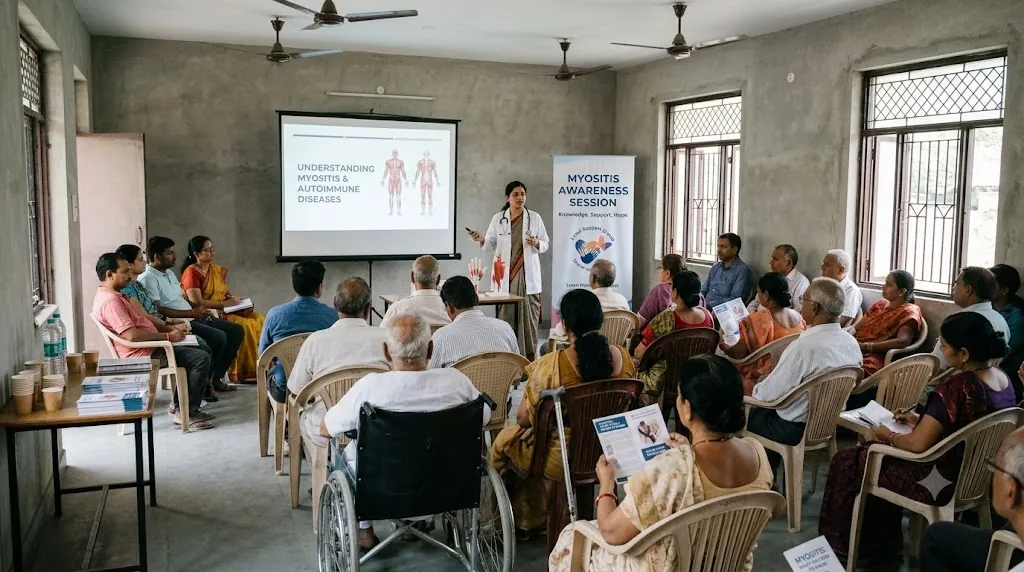
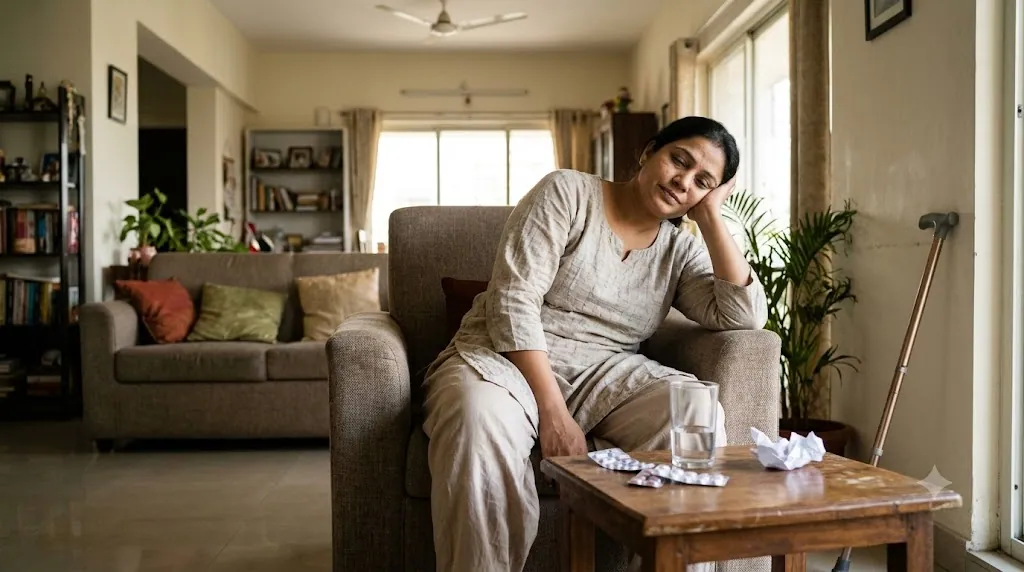
A rare disease can change a person's life long before they receive a diagnosis. Symptoms may be misunderstood, specialist appointments may take time to arrange, and families may struggle to find reliable information. In India, these challenges make rare disease awareness an important part of improving patient care.
Myositis is one condition that deserves greater recognition. Myositis is a broad term for conditions involving inflammation of skeletal muscle. Several important forms are autoimmune inflammatory myopathies
Why Is Rare Disease Awareness Important in India?
Rare diseases often present challenges that differ from those associated with more familiar illnesses. Doctors may encounter them infrequently, diagnostic facilities may be limited in some locations, and research can be difficult when patient numbers are small.
The Government of India's National Policy for Rare Diseases, 2021 acknowledges several of these barriers, including delayed diagnosis due to limited awareness, inadequate screening and diagnostic facilities, and the high cost of treatment. The policy identifies diagnosis, treatment access, research, specialist capacity and coordinated care as important areas requiring attention.
Being medically considered rare does not automatically mean a condition is covered under every government rare-disease scheme or funding provision.
Awareness is therefore not simply about publicising a disease. It can help patients recognise symptoms, encourage appropriate referrals and improve understanding among caregivers and healthcare professionals.
What Is Myositis?
Myositis refers to inflammation of muscles. Several forms are associated with autoimmune processes, in which the immune system mistakenly attacks the body's own tissues.
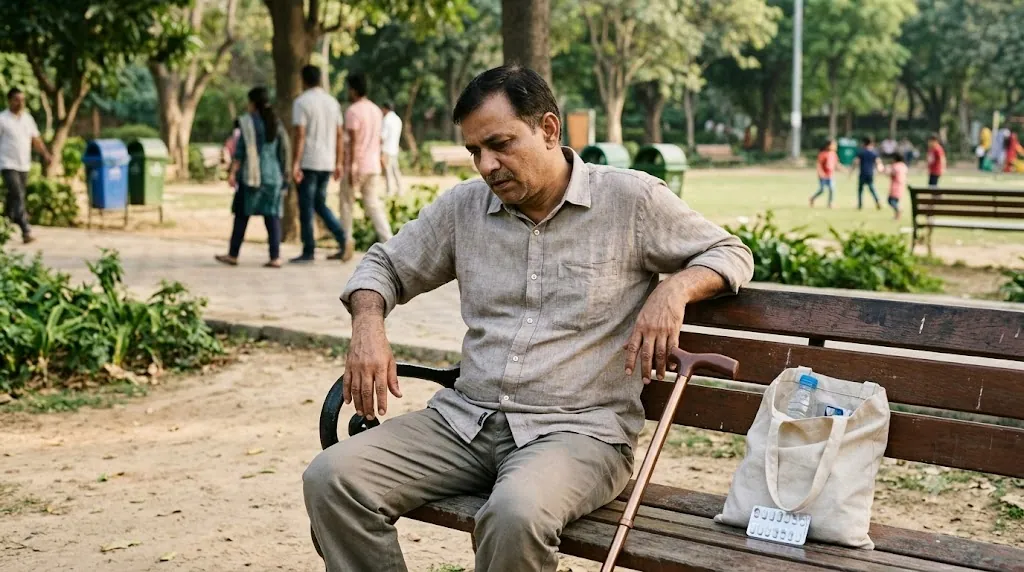
Symptoms may include difficulty climbing stairs, standing up from a chair, lifting the arms or walking normally. Depending on the subtype, patients may also experience skin rashes, swallowing problems or lung involvement.
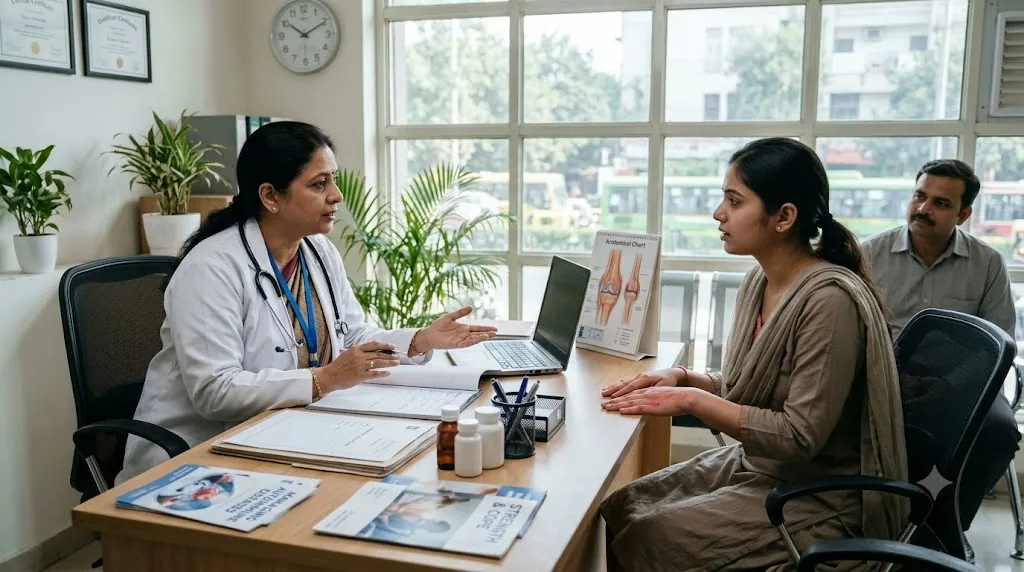
As these symptoms overlap with other medical conditions, diagnosis may require specialist examination, blood tests, imaging and, in selected cases, a muscle biopsy.
Why Can Myositis Be Overlooked?
One difficulty is that early symptoms may appear ordinary. A person might assume that weakness is due to ageing, lack of exercise or a busy schedule. Others may seek treatment for individual symptoms without realising that they could be connected.
Myositis can also require assessment across different specialties. Depending on the condition, a patient may need input from a neurologist, rheumatologist, dermatologist or pulmonologist.
In a country as geographically diverse as India, access to these services can vary. Awareness among patients and frontline healthcare professionals can help make the need for further evaluation clearer.
What Can a Myositis Awareness Campaign in India Achieve?
A meaningful myositis awareness campaign in India can contribute to several areas of patient care:
- Public education: Explaining symptoms in language that patients and families can understand.
- Earlier recognition: Helping people identify persistent or progressive weakness that warrants medical assessment.
- Healthcare professional awareness: Encouraging appropriate consideration of myositis when symptoms suggest an inflammatory muscle disease.
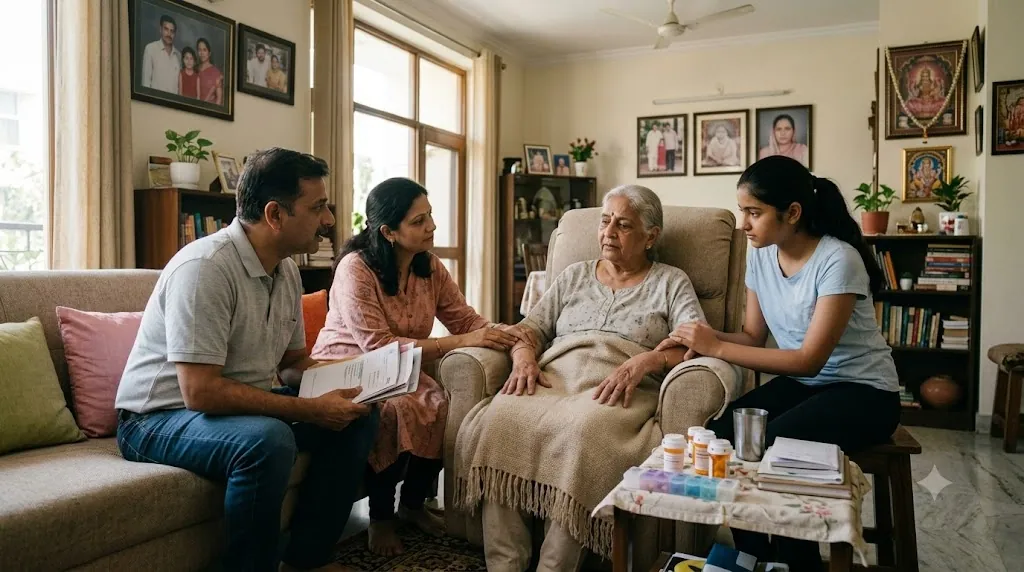
- Patient support: Connecting people with reliable information and others who understand the condition.
- Research awareness: Sharing credible information about ongoing research and clinical trials.
Awareness campaigns cannot guarantee an earlier diagnosis or better outcome for every patient. Their value lies in improving understanding and making appropriate care easier to seek.
The Role of Healthcare NGOs in Rare Disease Care
A healthcare NGO in India can help address gaps that formal medical services may not cover fully. Patient organisations can develop educational resources, facilitate peer support, connect families with specialist networks and advocate for the needs of underserved communities.
They can also help communicate patient experiences to healthcare professionals, researchers and policymakers. However, NGOs should complement qualified medical care rather than replace diagnosis or treatment.
Government programmes and patient organisations serve different but potentially complementary roles. India's National Policy for Rare Diseases provides a policy framework, while community organisations can help patients understand information and navigate their individual care journeys.
Myositis India: Building Awareness and Support
Myositis India, a unit of the Madalasa Foundation, is a non-profit organisation dedicated to people affected by myositis in India. Its work includes disease awareness, patient and caregiver support, medical connectivity and research promotion. Its website provides educational resources, patient stories, support options, information about healthcare professionals and clinical trials.
As a myositis NGO in India, Myositis India helps bring attention to a condition that remains unfamiliar to many people. Its awareness initiatives and support resources can help patients and families find credible information and feel less isolated while navigating care.
FAQs
Q. Is myositis classified as a rare disease?
Myositis comprises uncommon muscle diseases, including several rare inflammatory and autoimmune conditions. Classification and prevalence may vary by subtype and the criteria used.
Q. Does India have a national rare disease policy?
Yes. The Government of India introduced the National Policy for Rare Diseases in 2021 to address challenges involving prevention, diagnosis, treatment access and research.
Q. How can people support rare disease awareness?
They can share information from credible medical sources, listen to patient experiences, participate in awareness activities and challenge misinformation.
Q. What does a myositis NGO in India do?
An organisation such as Myositis India provides disease education, patient support, specialist connectivity and research-related information. It does not replace professional medical care.