Muscle Weakness Causes: When It's More Than Just Fatigue
Discover the various causes of muscle weakness beyond simple fatigue. Understand when to seek medical advice for underlying health issues.

Feeling tired after a long day or an intense workout is common. However, struggling to climb stairs, stand up from a chair or lift the arms during everyday activities may indicate something different. Understanding the possible muscle weakness causes is important because persistent loss of strength can sometimes be a sign of an underlying medical condition, including myositis.
In India, muscle weakness may initially be attributed to a demanding routine, nutritional deficiencies or ageing. While these can contribute to physical difficulties, weakness that persists or progresses deserves medical attention.
What Is the Difference Between Muscle Fatigue and Weakness?
Fatigue is a feeling of exhaustion or reduced energy. Muscle weakness refers to an actual reduction in the force a muscle can produce.
For example, a person experiencing fatigue may feel too tired to climb another flight of stairs but retain normal muscle strength. Someone with muscle weakness may find it physically difficult to rise from a chair, even when motivated and rested.
The distinction is important because weakness can arise from conditions affecting the muscles, nerves, brain, metabolism or other body systems.
Common Muscle Weakness Causes
Several conditions can contribute to reduced muscle strength.
- Nutritional deficiencies: Deficiencies such as vitamin B12 or vitamin D deficiency can contribute to particular neurological, bone or muscle problems.
- Anaemia: Anaemia commonly causes fatigue, breathlessness and reduced exercise tolerance, which can feel like weakness even when muscle strength itself is normal.
- Thyroid disorders: Abnormal thyroid hormone levels can affect muscle function and energy.
- Nerve disorders: Conditions affecting the nerves or brain can interfere with muscle control and strength.
- Medication-related effects: Certain medicines can cause muscle symptoms in some people.
- Muscle diseases: Inherited muscle disorders and inflammatory conditions can cause persistent or progressive weakness.
The symptoms alone cannot establish the cause. A medical assessment is needed to distinguish between these possibilities.
When Could Muscle Weakness Indicate Myositis?
Myositis refers to inflammation of the muscles. Several forms are associated with an abnormal immune response and can cause progressive weakness.
Common myositis symptoms include difficulty climbing stairs, getting up from a seated position, lifting objects overhead and carrying out routine tasks. Some people experience muscle pain or fatigue, while others develop skin rashes, swallowing difficulties or breathing problems, depending on the type of myositis.
These symptoms can develop gradually, making them easy to overlook. A person may simply stop doing activities that have become difficult without realising that their muscle strength has changed.
Myositis is only one possible explanation for weakness. It should not be assumed without appropriate investigations.
How Is Myositis Diagnosed?
Myositis diagnosis usually involves a combination of medical history, physical examination and specialised investigations.
A doctor may recommend blood tests to measure creatine kinase, an enzyme that can rise when muscles are damaged. Depending on the findings, further tests may include myositis-specific antibody testing, MRI, electromyography (EMG) and, in selected cases, a muscle biopsy.
Patients may be referred to a neurologist or rheumatologist, depending on their symptoms and local availability of specialists.
When Should You Seek Medical Attention?
Arrange a medical consultation if weakness is persistent, unexplained, progressively worsening or interfering with everyday activities.
Sudden weakness, particularly on one side of the body, requires emergency assessment, as it may indicate a stroke or another urgent neurological condition. Severe breathing difficulty or an inability to swallow safely also requires urgent medical care.
How Myositis India Supports Patients
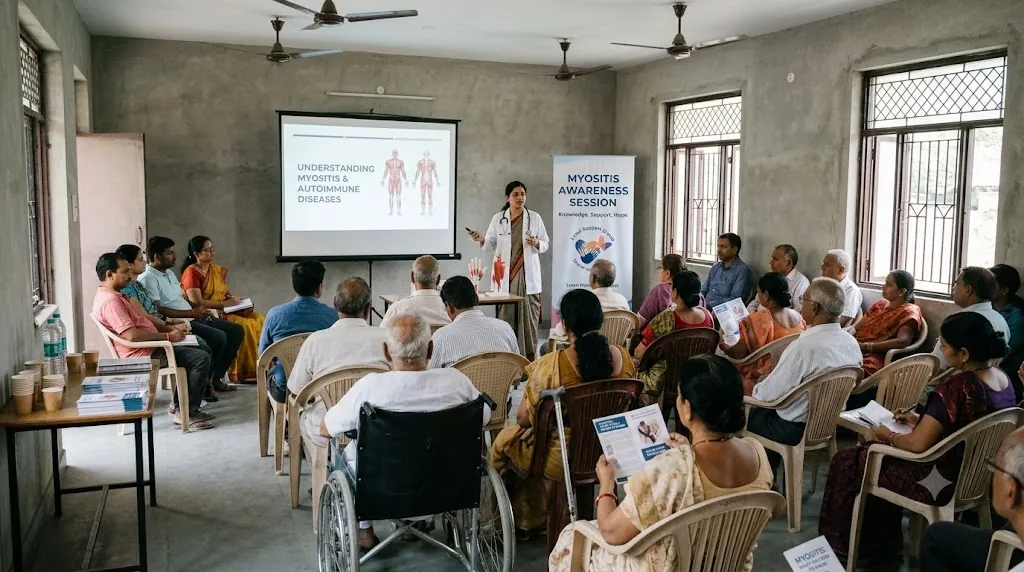
For people living with unexplained muscle weakness or a myositis diagnosis, finding reliable information and appropriate specialist care can be challenging. Myositis India, a unit of the Madalasa Foundation, works to improve myositis awareness, connect patients with healthcare professionals, provide patient and caregiver support, and promote research. Its resources include educational material, patient stories, specialist information and clinical-trial guidance.
Through these efforts, Myositis India helps patients and families navigate information about a rare condition while encouraging them to seek appropriate medical evaluation and treatment.
FAQs
Q. Can dehydration cause muscle weakness?
Dehydration and electrolyte imbalances can contribute to muscle cramps, weakness and reduced physical performance. Persistent symptoms should be assessed rather than automatically attributed to dehydration.
Q. Are myositis symptoms always painful?
No. Weakness is often the main symptom, and significant muscle pain is not present in every patient.
Q. Which doctor should I consult for persistent muscle weakness?
A general physician can begin the evaluation and refer the patient to a neurologist, rheumatologist or another specialist as needed.
Q. Can muscle weakness be reversed?
That depends on the underlying cause. Some causes are treatable, while others require long-term management. Early assessment can help identify the appropriate approach.