Living with Myositis: Personal Stories and Insights from Patients in India
Living with myositis is about more than managing symptoms. Through real patient stories from across India, discover the challenges of delayed diagnosis, treatment, recovery, and the importance of specialist care, rehabilitation, and community support in living well with this rare disease.
Living with Myositis: Personal Stories and Insights from Patients in India
Myositis is a rare autoimmune muscle disease, but its impact goes far beyond muscle weakness. It changes routines, careers, relationships, and confidence. In India, where awareness of rare diseases is still growing, many people spend months or even years searching for answers before receiving the right diagnosis. For many families, the journey begins with confusion, repeated consultations, and uncertainty.
The encouraging part is that every diagnosis also marks the beginning of hope. With the right myositis diagnosis, timely myositis treatment, physiotherapy, and a strong support system, many people learn to manage the condition and regain their independence. The stories of patients across India remind us that while the disease is challenging, no one has to face it alone.
Living with Myositis in India
One of the biggest challenges for people living with autoimmune muscle disease is that the symptoms often resemble more common conditions. Muscle weakness may be mistaken for nutritional deficiencies, fatigue, ageing, post-viral weakness, or stress. Skin rashes may be treated as allergies or eczema. This often delays specialist referral and appropriate treatment.
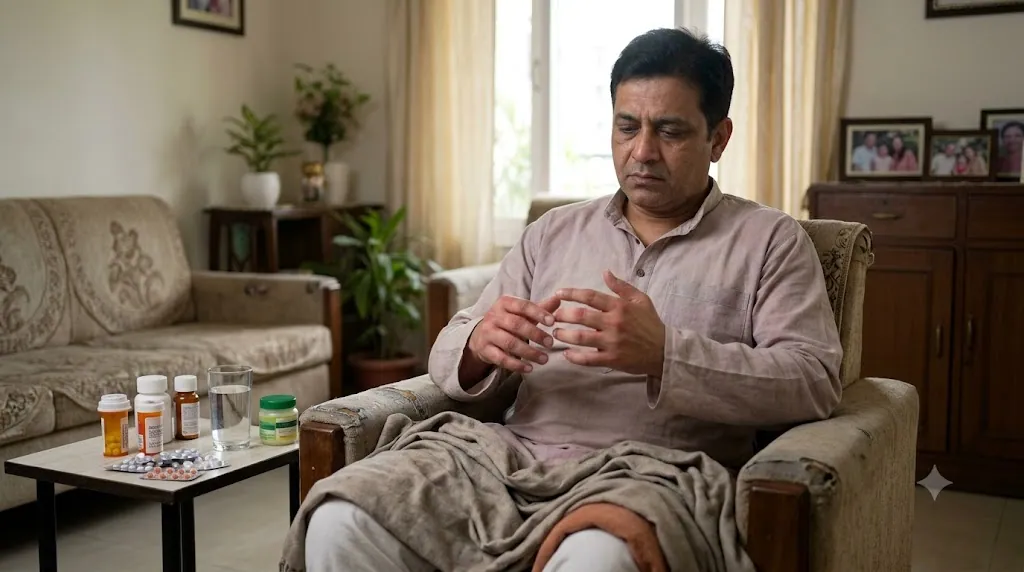
The emotional burden can be just as difficult. Many patients find themselves explaining an illness that even friends and relatives have never heard of. Everyday tasks such as climbing stairs, getting dressed, swallowing food, typing on a keyboard, or standing up from a chair may slowly become difficult. Since these changes usually happen gradually, people often push themselves to continue until their symptoms become severe.
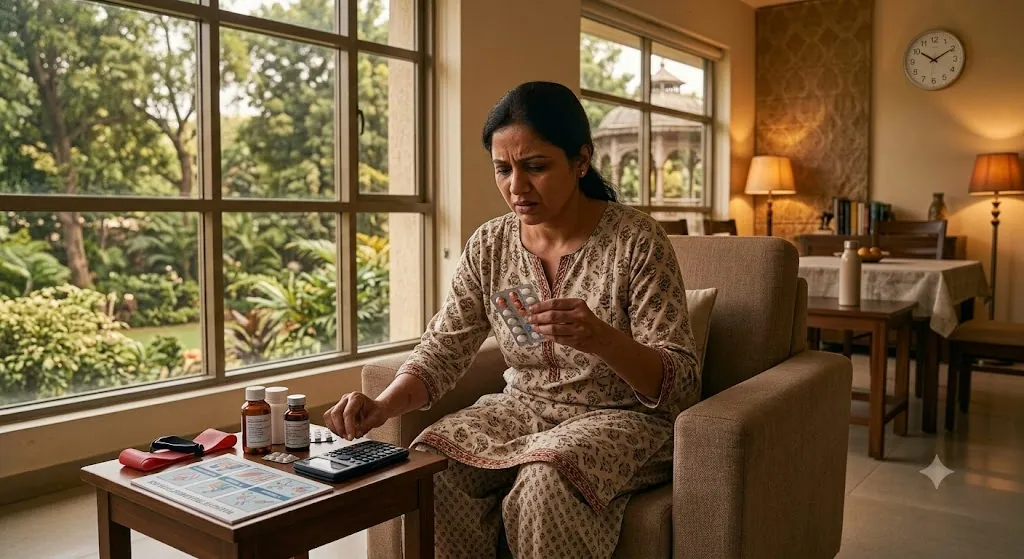
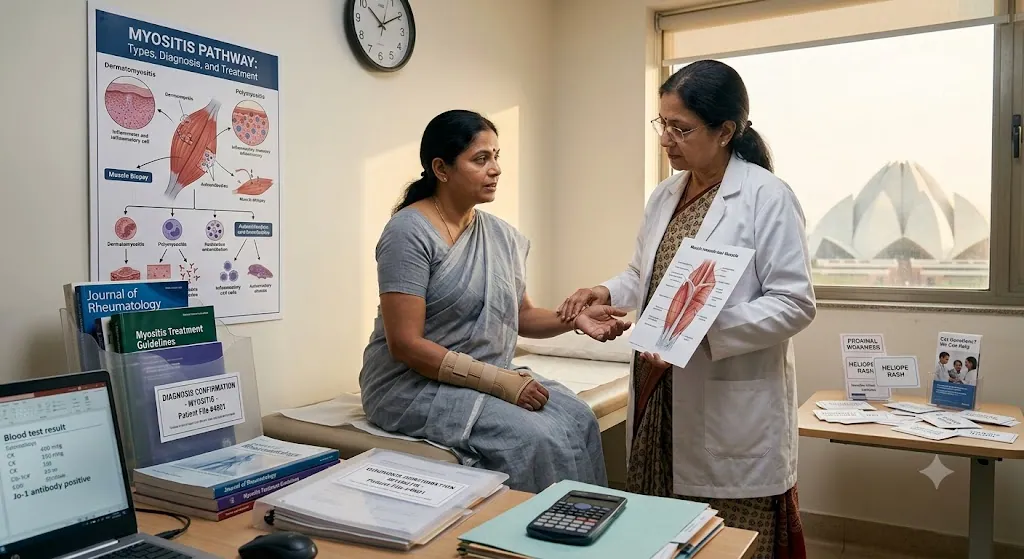
Receiving the correct diagnosis is often a turning point. Rheumatologists use a combination of clinical examination, blood tests, imaging, antibody testing, and sometimes muscle biopsy to confirm the disease. Once treatment begins, patients usually work with a multidisciplinary team that may include physiotherapists, occupational therapists, speech therapists, and other specialists depending on their symptoms.
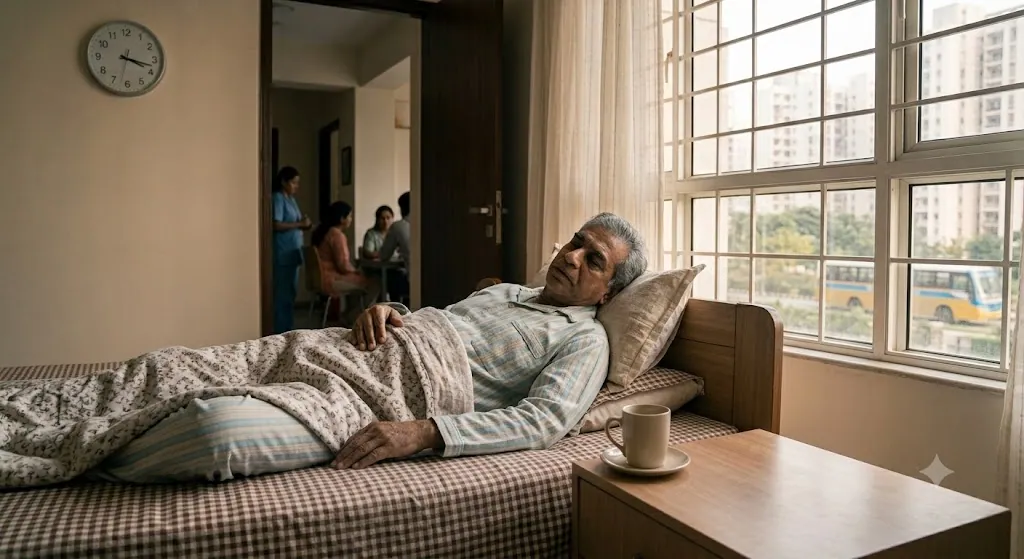
The experiences of patients across India also highlight another important lesson. Recovery rarely happens overnight. Progress is often measured through small victories that slowly add up over time.
Ajay's Story: Finding Answers After Months of Misdiagnosis
Ajay's journey began in 2019 with what seemed like a simple facial rash. Within days, muscle weakness followed. Basic activities such as combing his hair, getting dressed, and preparing meals became increasingly difficult.
His search for answers was frustrating. The skin rash was initially treated as acne, while muscle weakness was attributed to osteoporosis. Neither explanation matched what he was experiencing, and his condition continued to worsen.
Everything changed when he met a rheumatologist who immediately recognised the pattern of symptoms and diagnosed myositis. For the first time, Ajay understood what had been happening to his body.
The road ahead was not easy. Shortly after his diagnosis, a fall caused by severe muscle weakness resulted in a brain hematoma. Recovery required hospitalisation and a year of high-dose steroid treatment.
Today, Ajay has returned to a largely normal life. He continues regular follow-ups with his medical team and follows his treatment plan carefully. Looking back, he believes that getting the right diagnosis changed everything.
His message is simple. Never ignore persistent symptoms, and never hesitate to seek another medical opinion if something does not feel right.
Shally Puri: Trusting Her Instincts Changed Everything
Shally Puri's journey is a reminder that patients often know when something isn't right, even when the answers are not immediately obvious.
Her health problems began after recovering from COVID-19 in 2020. She developed severe shoulder stiffness, weakness, and unexplained weight loss. Doctors initially attributed everything to post-COVID effects and nutritional deficiencies. She was advised to take supplements and wait for recovery.
Although some symptoms improved, the weakness never truly went away.
Life became even more challenging during her pregnancy in 2021. She experienced several complications, including liver cholestasis, gestational diabetes, pre-eclampsia, and the premature birth of her daughter, who thankfully recovered after spending time in the NICU. Even after delivery, her muscle weakness continued to worsen.
When she found it increasingly difficult to stand up from a chair, Shally began researching her symptoms herself. She suspected myositis and requested specific investigations, even though the possibility was initially dismissed. Eventually, an abnormal EMG and blood tests confirmed that she was right.
Following diagnosis, she received high-dose steroid therapy and began appropriate treatment. Combined with medication, exercise, and lifestyle changes, her condition gradually improved.
Today, Shally encourages others to trust their bodies and seek further evaluation if symptoms continue despite treatment. She says, "Listen to your body. Get the right diagnosis. Mental health is just as important as medication. Recovery is possible when you don't give up."
Her story reflects a reality faced by many people living with rare autoimmune diseases in India. Diagnosis often takes time, but asking questions, seeking specialist care, and staying mentally strong can make a meaningful difference.
Sunil's Story: Fighting Through Uncertainty
At just 25 years old, Sunil's life changed unexpectedly in 2023.
It began with muscle pain, skin rashes, fatigue, rapid weight loss, and increasing weakness. Like many patients, he initially believed it was temporary. Despite several consultations and medications, his symptoms kept getting worse.
Simple activities became exhausting. Swallowing food was difficult. Inflamed fingers made typing almost impossible. Riding his motorcycle and performing routine daily tasks gradually became out of reach. Eventually, he was referred to a rheumatologist who ordered specialised investigations. The diagnosis confirmed myositis.
Treatment included corticosteroids, immunosuppressive medication, IVIG therapy, and later Rituximab. The journey was physically demanding and emotionally overwhelming. Hospitalisation, feeding tubes, muscle biopsies, medication side effects, and regular medical visits became part of everyday life.
Throughout this period, Sunil continued working whenever possible and remained determined not to let the disease define him.
Today, he actively contributes to the Myositis India community by helping create awareness for other patients. His experience has convinced him that early diagnosis and patient education can make a meaningful difference for others beginning the same journey.
Damchen's Story: Choosing Strength Every Day
Damchen was diagnosed with polymyositis in 2012 after consulting several doctors and undergoing numerous investigations.
Living with the disease meant dealing with repeated flare-ups, medication changes, and their side effects. Everyday activities gradually became difficult. Standing up, walking, and even eating required increasing effort. At one stage, her weight dropped dramatically to just 36 kilograms.
Despite these setbacks, Damchen refused to give up. Instead of allowing the disease to define her, she continued pursuing activities she loved. Remarkably, she even went on hikes and treks while living with polymyositis.
Her story reminds patients that resilience does not mean pretending life is easy. It means continuing to move forward despite the obstacles. Small improvements, consistent treatment, and a positive outlook helped her regain confidence and continue living an active life.
Lessons Shared by Every Journey
Although every patient's experience is unique, these stories reveal several common themes.
Early diagnosis changes outcomes. Delays in recognising symptoms often prolong suffering and allow muscle damage to progress.
The right specialist matters. Rheumatologists play an important role in identifying different forms of myositis and planning appropriate treatment.
Recovery takes patience. Improvement usually happens gradually through medication, physiotherapy, exercise tailored to individual ability, and regular follow-up.
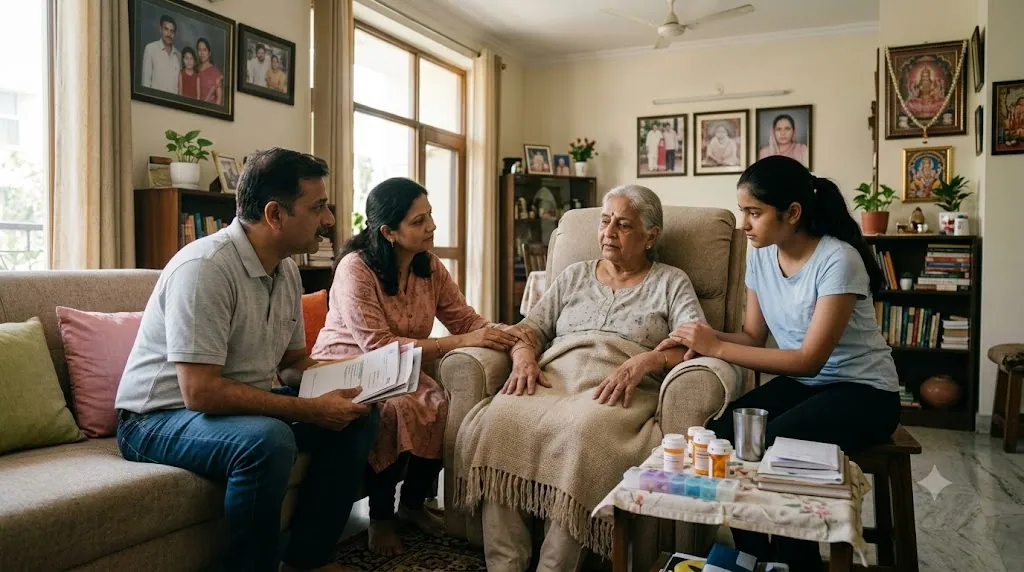
Support makes a difference. Family members, caregivers, healthcare professionals, and patient communities provide emotional strength during difficult periods.
Mental resilience is equally important. Living with a chronic illness brings uncertainty, but maintaining hope helps patients cope with long treatment journeys.
The Role of Myositis India
For many people, receiving a diagnosis is only the beginning of the journey. Questions about treatment, daily life, physiotherapy, clinical trials, financial concerns, and emotional wellbeing often follow.
This is where Myositis India has become an important source of support. The organisation connects patients, caregivers, doctors, researchers, and volunteers through educational programmes, awareness initiatives, webinars, patient communities, and guidance on available treatment options.
Equally important, it helps people realise they are not facing this disease alone. Listening to someone who has walked a similar path often provides reassurance that no textbook can offer.
If you are living with myositis, caring for someone who is, or simply wish to support the rare disease community, consider becoming a part of Myositis India. Every patient, caregiver, volunteer, healthcare professional, and well-wisher helps strengthen a community built on knowledge, compassion, and hope.