Living with Myositis: Patient Stories and Coping Strategies
Read about the challenges and triumphs of living with Myositis through patient narratives. Gain practical coping strategies to help in your journey.
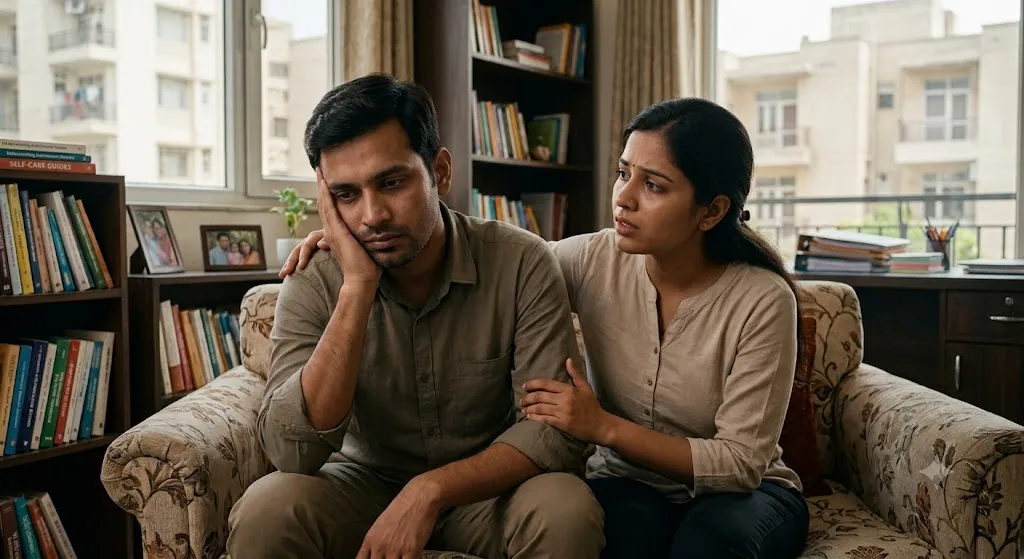
For many people, muscle weakness, constant fatigue, or unexplained skin rashes are often dismissed as stress, ageing, vitamin deficiencies, or overwork. Yet for some, these seemingly ordinary symptoms become the beginning of a long and difficult journey towards understanding a rare autoimmune condition called myositis.
So, what is Myositis disease? Myositis is a group of rare autoimmune diseases in which the body's immune system mistakenly attacks healthy muscles, causing inflammation, weakness, pain, and in some cases, involvement of the skin, lungs, or swallowing muscles. Conditions such as dermatomyositis, polymyositis, and inclusion body myositis fall under this umbrella.
Although awareness of autoimmune diseases in India is slowly improving, myositis diagnosis still remains challenging. Many patients spend months or even years moving between doctors before receiving the right answers. Yet, behind every diagnosis lies a story of resilience, hope, and adaptation.
The Emotional Reality of Living with Myositis
Living with myositis is not only a physical battle. It affects every aspect of daily life. Simple tasks that most people perform without thinking, climbing stairs, getting up from a chair, combing hair, swallowing food, or even walking short distances, can become exhausting challenges.
Many patients also experience uncertainty and frustration during the early stages of the disease. Since myositis symptoms often resemble other conditions, patients are frequently told that their problems are psychological, stress-related, or temporary.
This delay can lead to worsening symptoms and emotional distress.
The stories of patients living with myositis remind us that behind every medical term is a person learning to rebuild their life.
Mr. Prashant Verma: Learning to Live Again
In August 2020, Mr. Prashant Verma began noticing unusual soreness and pain in his muscles. Once physically active, he suddenly found himself struggling with everyday movements. Gradually, the weakness worsened.
Sitting down and standing up became difficult. Swallowing food became nearly impossible, and whatever little he managed to eat was often vomited immediately afterward.
The timing made things even more complicated. During the COVID-19 pandemic, several of his symptoms were initially investigated from a different perspective. Multiple consultations and tests failed to provide answers. For months, his condition continued to deteriorate.
Finally, after changing several doctors, a physician checked his Creatine Kinase (CK) levels and suspected myositis. In December 2020, nearly four months after his first symptoms appeared, he finally received a diagnosis.
His story reflects a reality experienced by many patients in India. Delayed myositis diagnosis remains one of the biggest challenges in managing rare autoimmune diseases. Today, Mr. Verma continues to advocate for awareness and support for patients living with this condition.
Mr. Chintan Shinde: Growing Up with Myositis
Mr. Chintan Shinde's journey began much earlier. Diagnosed in 1991 at the age of seven, he remembers becoming exhausted after walking only a few hundred metres. Muscle cramps and weakness gradually became a part of everyday life.
At that time, information about myositis in India was extremely limited. His family consulted numerous doctors before receiving a diagnosis. Treatment involved long courses of steroids, physiotherapy sessions, and various supportive therapies.
Despite physical difficulties, Mr. Shinde continued with school and academics. He even pursued activities such as cycling and Taekwondo, although they often caused pain and fatigue. One aspect of his journey that stands out is his determination to maintain normalcy. He also experienced occasional brain fog and concentration difficulties but developed his own coping mechanisms through repeated revision and mental exercises. Years later, he entered a phase of remission and continued physiotherapy to maintain his strength and mobility.
His story highlights an important message. A diagnosis of myositis does not mean life comes to a standstill. With appropriate care, adaptation, and support, patients can continue pursuing education, careers, and personal goals.
Mr. Saurabh Sarin: Finding Strength Through Community
Like many patients with rare diseases, Mr. Saurabh Sarin's journey involved uncertainty, emotional challenges, and the need to continuously adapt to changing circumstances. Living with a chronic autoimmune illness often means accepting that good days and difficult days may alternate. Treatment plans evolve, symptoms fluctuate, and emotional resilience becomes just as important as physical recovery.
Mr. Sarin's experience also reflects the significance of patient communities. Rare diseases like Myositis can often feel isolating. Connecting with other patients who truly understand the challenges of fatigue, muscle weakness, and uncertainty can provide immense emotional support.
For many individuals living with myositis, finding a community becomes an essential part of healing.
Coping Strategies for Living with Myositis
Although there is currently no definitive cure for myositis, many patients learn effective ways to manage their condition and improve their quality of life.
1. Accepting That Recovery Takes Time: Improvement is often gradual. Muscle strength may return slowly, and setbacks can occur. Setting realistic expectations helps reduce frustration and anxiety.
2. Following Treatment Consistently: Myositis treatment often includes corticosteroids, immunosuppressive medications, physiotherapy, and regular monitoring. Adhering to treatment plans is crucial for controlling disease activity.
3. Staying Physically Active Within Limits: Complete rest is no longer recommended in most cases. Gentle exercises and supervised physiotherapy can help maintain mobility and reduce muscle stiffness.
4. Seeking Emotional Support: Living with a chronic illness can feel emotionally exhausting. Family support, counselling, patient groups, and conversations with others living with myositis can make a significant difference.
5. Learning to Pace Daily Activities: Fatigue is one of the most common symptoms of myositis. Patients often benefit from planning their day, taking adequate rest, and avoiding overexertion.
Hope Beyond Diagnosis
The understanding of autoimmune diseases in India has improved significantly over the last decade. Better awareness, improved diagnostic tools, and newer treatment approaches are helping patients receive earlier interventions and better outcomes.
The journeys of Mr. Prashant Verma, Mr. Chintan Shinde, and Mr. Saurabh Sarin remind us that myositis is not defined solely by muscle weakness or medical reports.
It is also a story of resilience. It is about families who refuse to give up, doctors who continue searching for answers, and patients who learn to adapt and find hope despite uncertainty.
Living with myositis may change the course of life, but it does not take away the possibility of leading a meaningful and fulfilling one.
FAQs
1. What is Myositis disease?
Myositis is a group of rare autoimmune diseases in which the immune system attacks healthy muscles, causing inflammation, weakness, fatigue, and sometimes skin or lung involvement.
2. What are the early myositis symptoms?
Common symptoms include muscle weakness, difficulty climbing stairs, trouble lifting objects, fatigue, skin rashes, muscle pain, and difficulty swallowing.
3. How is myositis diagnosed?
Diagnosis usually involves a combination of medical history, physical examination, blood tests such as CK levels, MRI scans, autoantibody testing, EMG, and sometimes muscle biopsy.
4. Is there a cure for myositis?
There is currently no complete cure, but many patients achieve good disease control through medications, physiotherapy, and long-term monitoring.
5. Can people with myositis lead normal lives?
Yes. Although adjustments may be necessary, many patients continue their education, careers, and personal activities with appropriate treatment and support.