Is Myositis Curable? Exploring Current Research and Future Possibilities
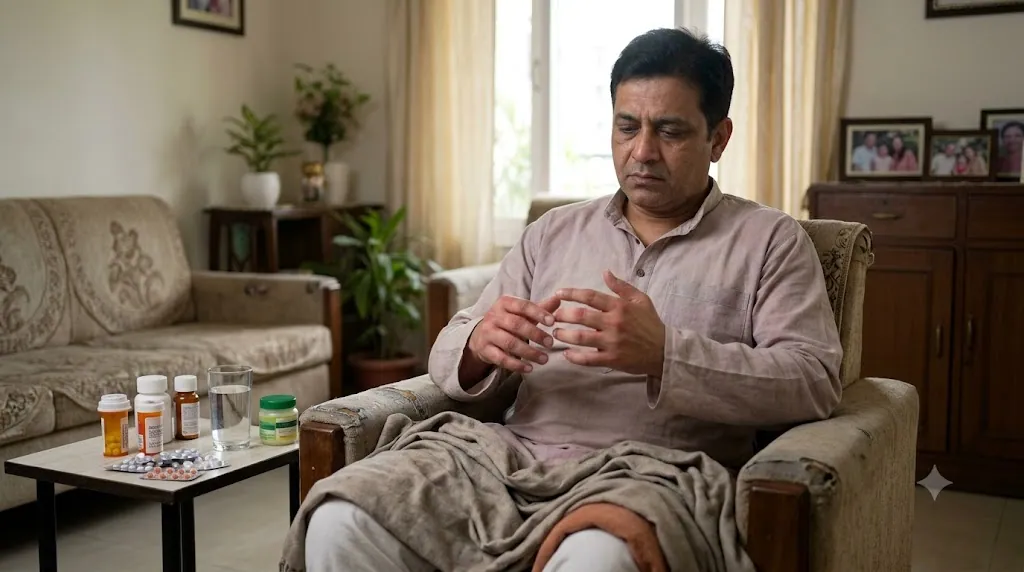
Living with myositis often begins with questions that have no easy answers. Why did this happen? Will it get better? Is there a cure? These questions are natural, especially after receiving a diagnosis of a rare autoimmune disease that many people have never heard of.
While there is currently no permanent cure for myositis, there is genuine reason for hope. Over the last decade, research has transformed the understanding of this condition. Better diagnostic tools, targeted therapies, and personalised treatment approaches are helping many people achieve long periods of disease control and return to work, family life, and the activities they love.
What causes myositis?
Myositis is a group of rare autoimmune diseases in which the immune system mistakenly attacks healthy muscle tissue. This causes inflammation, muscle weakness, fatigue, and in some cases, skin rashes, difficulty swallowing, or lung involvement.
Researchers believe myositis develops because of a combination of genetic susceptibility and environmental triggers such as viral infections or certain medications. However, the exact cause is still being investigated, which is why research remains so important.
Different forms of myositis, including dermatomyositis, polymyositis, immune-mediated necrotising myopathy, antisynthetase syndrome, and inclusion body myositis, behave differently and often require different treatment strategies.
Is myositis curable?
At present, myositis is not considered curable. However, that does not mean it cannot be managed successfully. The goal of treatment is to reduce inflammation, prevent permanent muscle damage, control symptoms, and improve quality of life. Some patients with treatable autoimmune forms of myositis achieve remission or sustained low disease activity, while others require long-term therapy or experience relapses.
Early diagnosis plays a major role in treatment outcomes. In many autoimmune inflammatory myopathies, timely diagnosis and treatment may help control disease activity, preserve function and reduce the risk of organ complications.
How is myositis treated today?
For many autoimmune inflammatory myopathies, treatment may include corticosteroids, steroid-sparing immunosuppressive medicines, IVIG and selected biologic therapies. Treatment is tailored to the subtype and organs involved. Inclusion body myositis is different: conventional immunosuppressive treatments have generally not been effective at stopping its progression, so rehabilitation, exercise and supportive care remain especially important.
What is changing in myositis research?
One of the most exciting developments is that researchers no longer view all myositis patients as having the same disease.
Today, specialists identify different subtypes based on specific autoantibodies. These antibodies can help identify disease subtypes and associated risks, and may increasingly help inform treatment decisions as evidence develops. This personalised approach allows doctors to move away from one-size-fits-all treatment towards more precise care.
Understanding interferons
Recent research has focused heavily on molecules called interferons. Interferons are proteins naturally produced by the immune system to fight infections. In dermatomyositis, abnormal activation of type I interferon signalling is strongly associated with inflammation in affected tissues and is thought to contribute to disease activity
Scientists now understand that excessive interferon signalling plays an important role in driving inflammation in certain forms of myositis. This discovery has opened the door to therapies that specifically target these immune pathways rather than suppressing the entire immune system.
New treatments on the horizon
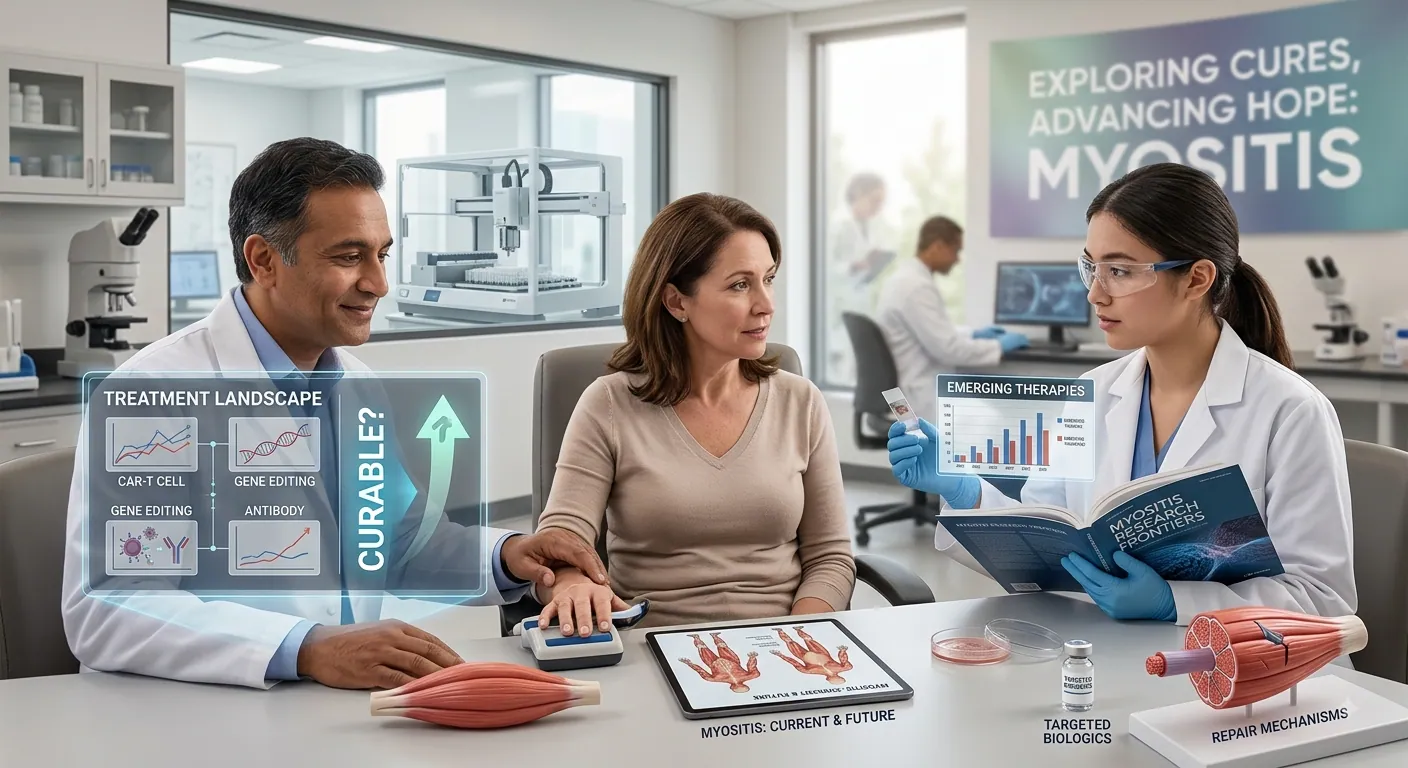
Researchers around the world are testing therapies designed to control myositis more precisely while reducing side effects.
Several promising areas include:
-
Targeted biologic medicines: Drugs that block specific immune pathways responsible for inflammation.
-
JAK inhibitors: Medicines that interfere with interferon signalling and have shown encouraging results in some patients with difficult-to-treat dermatomyositis.
-
Improved antibody-guided treatment: Using autoantibody profiles to choose the most suitable treatment earlier in the disease.
-
Clinical trials: New therapies continue to be evaluated internationally to improve long-term outcomes and reduce dependence on steroids.
While many of these treatments are still being studied, they represent an important shift towards precision medicine.
Why research matters
Every clinical trial helps doctors understand the disease better.
Research has improved disease classification, diagnostic testing and treatment options, while long-term outcomes have improved for some patient groups. However, myositis continues to carry important risks, particularly when the lungs, heart or other organs are involved. Scientists are also studying why some patients respond well to treatment while others require different approaches.
Patient participation in research, when appropriate and recommended by treating physicians, helps advance knowledge that may benefit future generations living with myositis.
The importance of support
Medical treatment is only one part of living well with myositis. Many patients experience uncertainty, emotional stress, financial burden, and isolation after diagnosis. This is where a myositis support group can make a meaningful difference.
Support organisations connect patients with specialists, educational resources, webinars, rehabilitation guidance, and others who understand the realities of the condition. They also play a vital role in spreading awareness so that people receive earlier diagnosis and timely treatment.
At Myositis India, patients and caregivers come together to learn, share experiences, and support one another throughout the journey of living with myositis.
Looking ahead with hope
Although the answer to "is myositis curable" is – not yet, but the future is far more hopeful than it once was.
Researchers now understand the disease better than ever before. Precision medicine, interferon research, targeted therapies, and improved diagnostic tools are changing the way myositis is treated. Many patients today are living longer, healthier, and more independent lives than was possible even a decade ago.
Every new discovery brings us one step closer to treatments that are safer, more effective, and perhaps one day, a cure.