Autoimmune Diseases in India: A Closer Look at Myositis and Its Impact
Delve into the complexities of autoimmune diseases in India, with a special emphasis on myositis and its profound effects on individuals and communities.
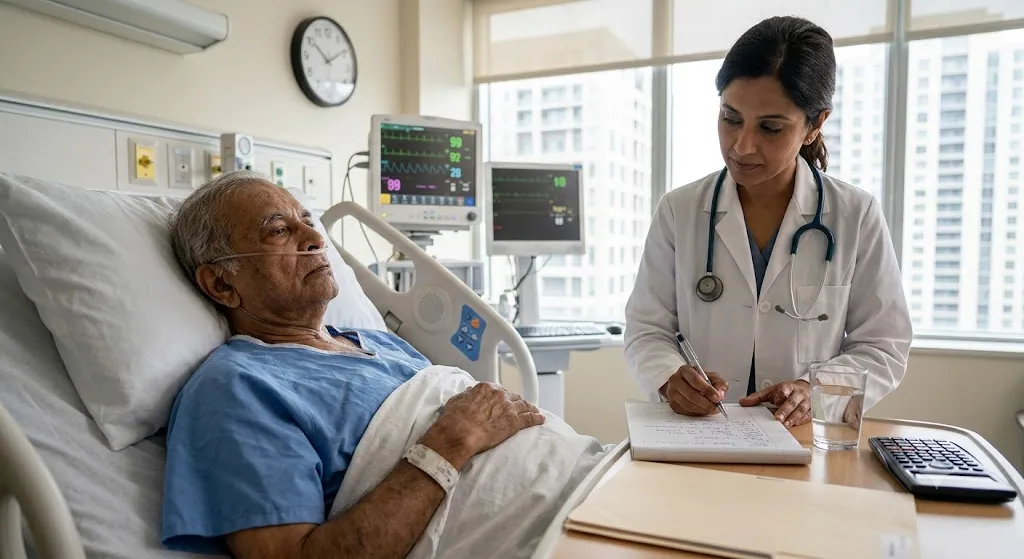
Autoimmune diseases are becoming an increasingly important public health concern in India. Conditions such as rheumatoid arthritis, lupus, multiple sclerosis, and inflammatory bowel disease are now being diagnosed more frequently than before. Among these conditions lies a lesser-known but equally significant disease called myositis, a rare autoimmune disorder that can profoundly affect a person's mobility, independence, and quality of life.
Despite advancements in medicine, awareness about myositis remains limited. Many patients spend months or even years searching for answers before receiving the correct diagnosis. Understanding this disease and recognising its early signs can make a significant difference in patient outcomes.
Understanding Autoimmune Diseases in India
An autoimmune disease occurs when the body's immune system mistakenly attacks its own healthy tissues instead of protecting them from infections.
India is witnessing a steady rise in autoimmune disorders due to a combination of factors, including:
- Improved diagnostic facilities
- Greater awareness among physicians
- Environmental influences and lifestyle changes
- Better reporting and research in immune-mediated diseases
Although exact numbers are difficult to estimate because of underreporting, autoimmune diseases affect millions of Indians. Yet rare disorders such as myositis continue to remain largely under-recognised.
What is Myositis Disease?
So, what is myositis disease?
In this blog, myositis refers to a group of rare immune-mediated conditions known as idiopathic inflammatory myopathies. These conditions primarily cause muscle weakness and may also affect the skin, lungs, joints or swallowing muscles, depending on the subtype. The immune system attacks skeletal muscles, leading to progressive weakness and, in some cases, involvement of the skin, lungs, joints, heart, and digestive system.
Myositis is not a single disease but a spectrum of conditions that includes:
Dermatomyositis (DM)
Characterised by muscle weakness along with distinctive skin rashes such as Gottron's papules, heliotrope rash, and rashes over the chest and shoulders.
Anti-synthetase Syndrome (ASS)
Often associated with interstitial lung disease, joint pain, Raynaud's phenomenon, and a condition known as "mechanic's hands."
Immune-Mediated Necrotising Myopathy (IMNM)
Typically presents with severe muscle weakness and markedly elevated muscle enzymes.
Inclusion Body Myositis (IBM)
Usually affects older adults and progresses slowly. It often involves weakness of hand grip and leg muscles and tends to respond poorly to conventional treatment.
Myositis Symptoms: The Signs That Should Not Be Ignored
One of the biggest challenges with myositis is that the symptoms often appear gradually and resemble many other common conditions.
Some of the most common myositis symptoms include:
- Persistent muscle weakness, especially in the shoulders and hips
- Difficulty climbing stairs
- Trouble getting up from a chair or lifting objects
- Frequent falls
- Difficulty combing hair or raising the arms
- Fatigue and body aches
- Difficulty swallowing
- Skin rashes in certain subtypes
- Shortness of breath due to lung involvement
Many patients initially believe that these symptoms are simply due to ageing, stress, vitamin deficiency, or lack of exercise.
Unfortunately, delayed recognition can result in progressive muscle damage and complications.
Why Myositis Diagnosis is Often Delayed in India
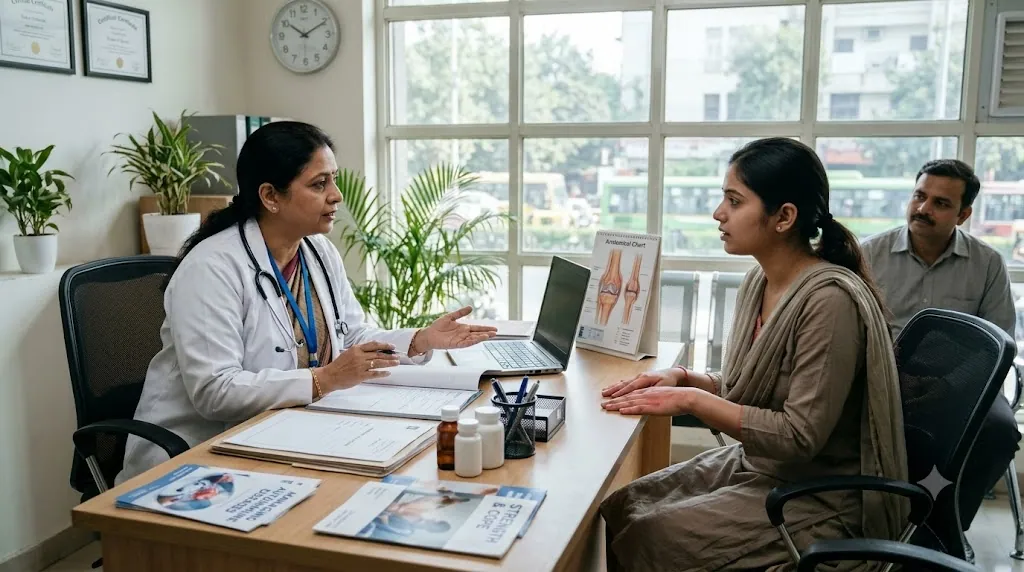
Because myositis is a rare disease, patients often consult multiple doctors before reaching the correct diagnosis.
The journey to diagnosis can be particularly difficult because symptoms overlap with:
- Hypothyroidism
- Vitamin deficiencies
- Neurological disorders
- Fibromyalgia
- Muscular dystrophies
- Other autoimmune diseases
A proper myositis diagnosis generally requires several components.
Clinical Assessment
Doctors carefully assess the pattern of muscle weakness and associated symptoms.
Blood Tests
Muscle enzymes such as Creatine Kinase (CK or CPK) are often elevated, indicating muscle inflammation or damage.
Autoantibody Testing
Myositis-specific antibodies help identify disease subtypes and predict complications such as lung involvement.
MRI of Muscles
MRI helps detect muscle inflammation and guides biopsy selection.
Electromyography (EMG)
This test evaluates muscle electrical activity and helps distinguish muscle disease from nerve disorders.
Muscle or Skin Biopsy
In many cases, biopsy remains an important tool for confirming the diagnosis.
Diagnosis is rarely based on a single test. Instead, physicians combine clinical findings, laboratory investigations, imaging, and biopsy results.
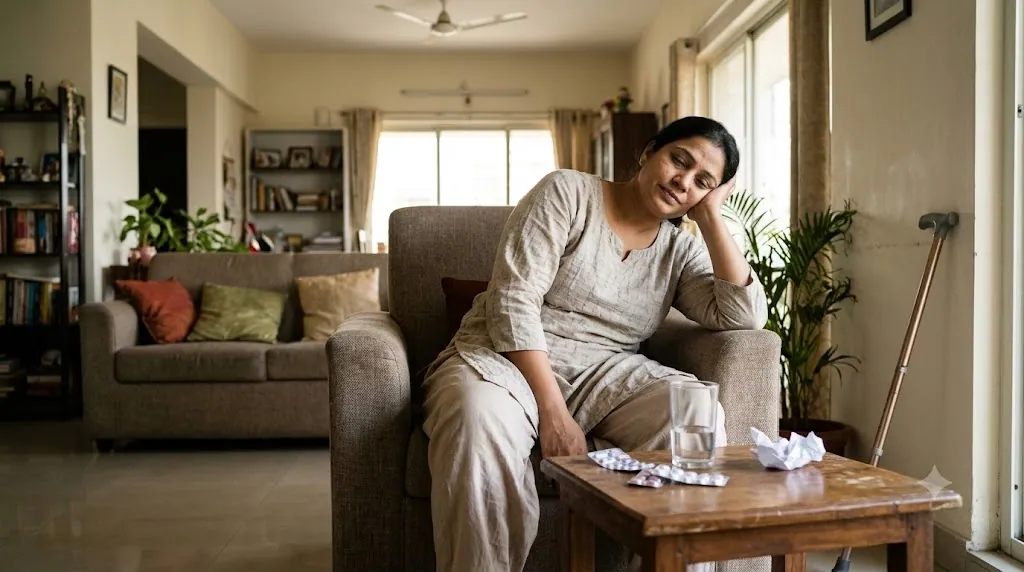
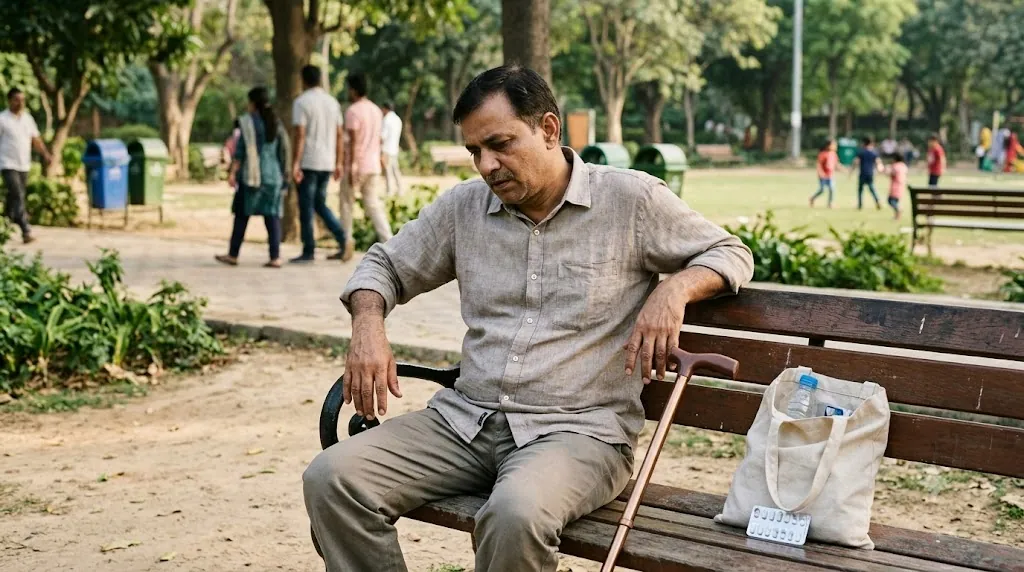
The Physical and Emotional Impact of Myositis
The effects of myositis extend far beyond muscle weakness.
Loss of Independence
Activities that were once simple, such as climbing stairs, dressing, cooking, or carrying groceries, can become difficult.
Impact on Employment
Many patients struggle to continue working because of fatigue and physical limitations.
Mental Health Challenges
Living with a chronic and rare illness often leads to anxiety, frustration, and feelings of isolation.
Financial Burden
Long-term treatment, investigations, physiotherapy, and specialist consultations can place considerable strain on families.
In India, where awareness of rare diseases is still developing, many patients also face social misunderstandings regarding their condition.
Myositis Treatment: A Multidisciplinary Approach
Although there is currently no cure for myositis, early treatment can significantly improve outcomes and quality of life.
Corticosteroids
Steroids remain the first line of treatment and rapidly reduce inflammation.
Immunosuppressive Medicines
Depending on disease severity and organ involvement, medications such as:
- Methotrexate
- Azathioprine
- Mycophenolate mofetil
- Tacrolimus
may be prescribed.
Advanced Therapies
In severe or refractory cases, treatments such as:
- Intravenous Immunoglobulin (IVIG)
- Rituximab
- Emerging biologic therapies
may be considered.
Physiotherapy
Exercise and rehabilitation are now recognised as essential components of treatment. Structured physiotherapy helps preserve muscle strength, improve mobility, and prevent disability.
Management of Complications
Patients with lung disease, swallowing difficulties, or cardiac involvement often require additional specialist care.
The Need for Greater Awareness in India
Rare diseases frequently remain invisible until they affect someone personally.
Greater awareness about myositis is needed among:
- The general public
- Primary care physicians
- Allied healthcare professionals
- Policy makers
Early recognition can shorten the diagnostic journey and reduce complications.
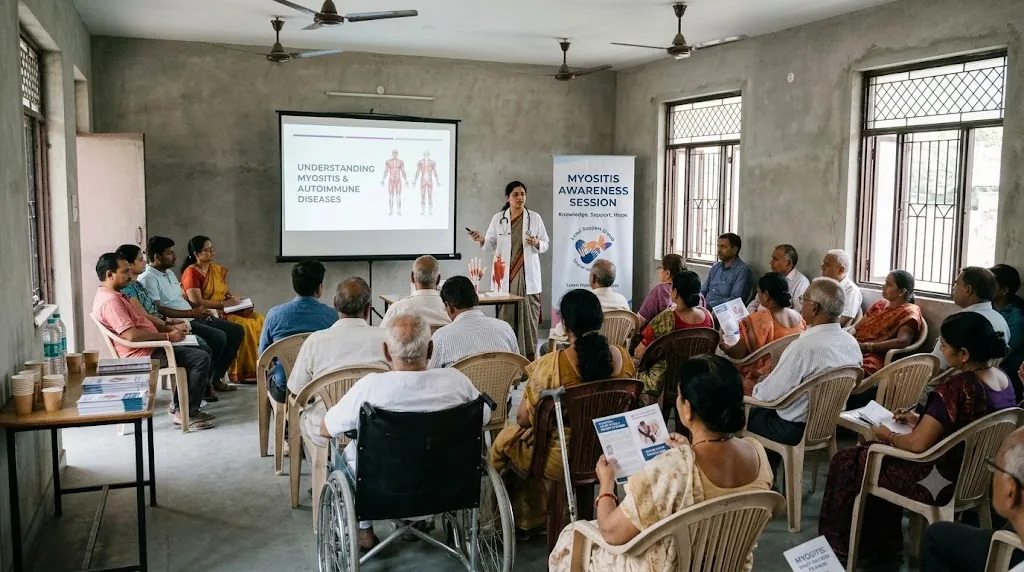
Patient advocacy groups and organisations such as Myositis India have played an important role in improving awareness, supporting patients and caregivers, organising educational initiatives, and helping individuals navigate complex treatment decisions.
These efforts are gradually building a stronger support system for patients living with inflammatory muscle diseases in India.
Looking Ahead
The understanding of autoimmune diseases has expanded significantly over the past two decades, and myositis is no exception. Improved antibody testing, better imaging techniques, multidisciplinary care, and ongoing research are changing the outlook for patients.
However, awareness remains one of the greatest unmet needs.
For many patients, an early diagnosis means preserving mobility, reducing complications, and maintaining a better quality of life.
Recognising that persistent muscle weakness is not always "normal fatigue" may be the first step towards timely treatment and better outcomes.
Frequently Asked Questions
1. What is myositis disease?
Myositis is a group of rare autoimmune diseases in which the immune system attacks healthy muscles, leading to inflammation, muscle weakness, fatigue, and sometimes involvement of the skin, lungs, or other organs.
2. What are the early symptoms of myositis?
Early symptoms may include difficulty climbing stairs, trouble lifting the arms, frequent fatigue, muscle pain, difficulty swallowing, and skin rashes in certain forms of the disease.
3. Is myositis curable?
Currently, there is no permanent cure for myositis. However, many patients achieve good disease control and improved quality of life through medications, physiotherapy, and regular monitoring.
4. How is myositis diagnosed?
Diagnosis usually involves a combination of medical history, physical examination, blood tests, muscle enzyme levels, autoantibody testing, MRI scans, electromyography, and sometimes muscle biopsy.
5. Can people with myositis lead a normal life?
Many patients are able to maintain an active and fulfilling life with early diagnosis, appropriate treatment, physiotherapy, and ongoing support from healthcare professionals and caregivers.
6. Why is awareness about myositis important in India?
Awareness is essential because the disease is often mistaken for more common conditions, leading to delayed diagnosis and treatment. Better awareness can help patients receive timely care and reduce long-term complications.