The Journey to Diagnosis: How to Recognize Symptoms of Myositis and Seek Appropriate Medical Care in India
Explore the journey to diagnosing myositis, including symptom recognition and guidance on seeking medical care in India for optimal health outcomes.
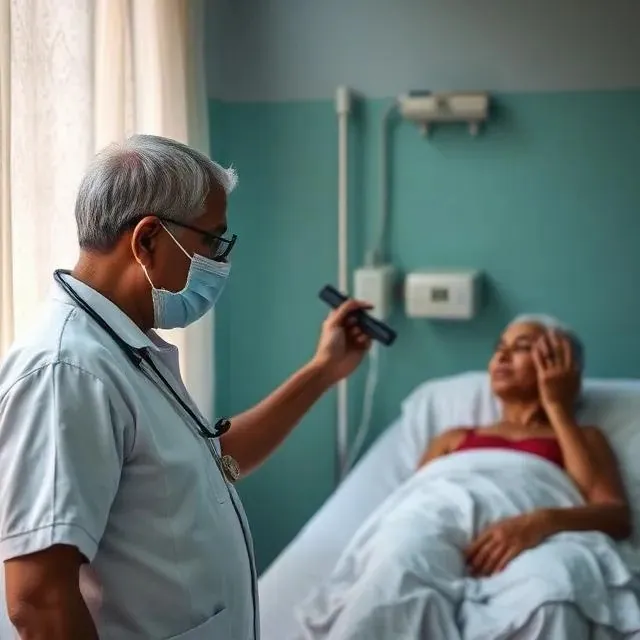
Title - The Journey to Diagnosis: How to Recognize Symptoms of Myositis and Seek Appropriate Medical Care in India
Keywords - autoimmune diseases India, myositis treatment, inflammatory myopathy, myositis diagnosis
Descriptions - Explore the journey to diagnosing myositis, including symptom recognition and guidance on seeking medical care in India for optimal health outcomes.
In the scenario of autoimmune diseases in India, myositis remains one of the least recognised and most frequently misdiagnosed. This rare inflammatory myopathy does not arrive with a single, dramatic symptom. Instead, it presents through gradual muscle weakness, unexplained fatigue, rashes, breathlessness, or difficulty swallowing; symptoms that often masquerade as more common illnesses.
Because of this quiet onset, many patients travel a long and confusing road before receiving an accurate myositis diagnosis. Recognising the early signs and knowing when and where to seek help can shorten this journey significantly and improve long-term outcomes.
Understanding What Makes Myositis Hard to Detect
Myositis is not a single disease but a group of idiopathic inflammatory myopathies that can affect muscles, skin, lungs, joints, and even the heart. Its complexity lies in how differently it appears in each person.
-
Symptoms develop gradually over weeks or months
-
Muscle weakness is often mistaken for general tiredness or ageing
-
Skin rashes may be treated as allergies or dermatological issues
-
Breathlessness may be misdiagnosed as asthma, infection, or pneumonia
-
Joint pain may resemble arthritis
-
Swallowing difficulty may be attributed to gastric problems
This overlap with common conditions delays correct myositis diagnosis, especially when awareness among primary care settings is limited.
Early Symptoms of Myositis
While symptoms vary, certain patterns are strongly suggestive of inflammatory myopathy and warrant medical evaluation.
-
Difficulty climbing stairs or getting up from a chair
-
Trouble lifting objects or raising arms to comb hair
-
Persistent fatigue unrelated to workload
-
Muscle pain with weakness (with or without pain)
-
Distinctive rashes on hands, chest, eyelids, or back
-
Shortness of breath without clear lung infection
-
Difficulty swallowing solid foods
-
Unexplained weight loss and low-grade fever
-
Colour changes in fingers in cold weather (Raynaud’s phenomenon)
These are not ordinary signs of fatigue. They are signals that muscles themselves may be under immune attack.
Whom to Consult First in India
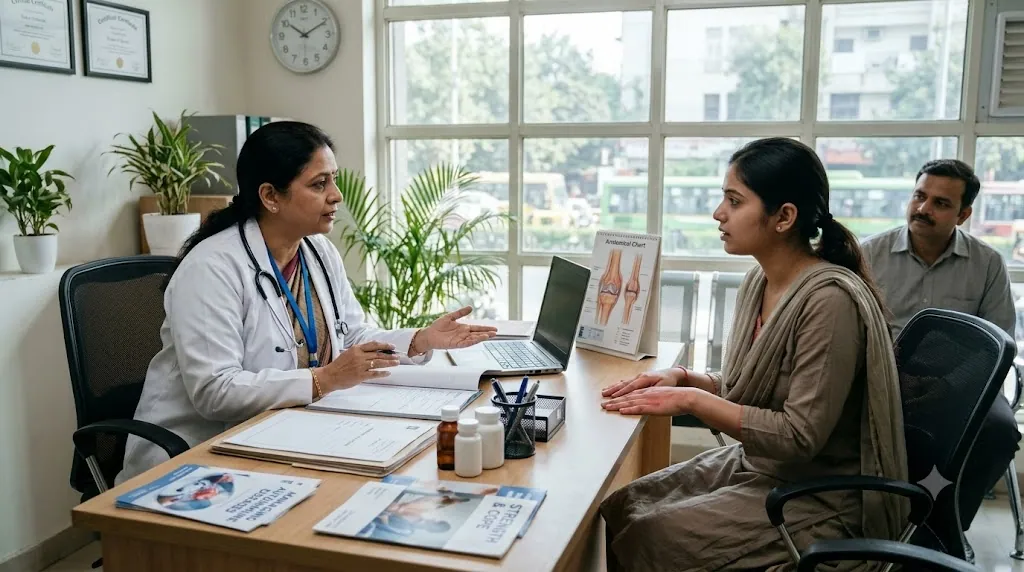
Most patients begin with a general physician. The key is timely referral when symptoms persist.
-
Start with a general physician for initial evaluation
-
Request referral to a rheumatologist if muscle weakness is present
-
A neurologist may be involved to rule out nerve disorders
-
A dermatologist may identify characteristic rashes
-
In cases of breathlessness, a pulmonologist may be required
In India, rheumatologists play a central role in confirming myositis diagnosis and guiding myositis treatment.
Tests That Lead to a Confirmed Myositis Diagnosis
Diagnosis is not based on one test but a combination of clinical assessment and investigations.
-
Muscle enzyme blood tests (especially Creatine Kinase/CK; often >1000)
-
Myositis autoantibody panel (helps subtype identification and prognosis)
-
MRI of muscles (detects muscle inflammation non-invasively)
-
EMG/NCS (distinguishes muscle vs nerve origin of weakness)
-
Muscle biopsy or skin biopsy (confirms inflammatory changes)
-
Lung scans if breathlessness is present (to detect interstitial lung disease)
Not all patients show abnormal results in every test. Clinical judgement remains crucial.
Why Early Detection Matters
Delays in identifying myositis allow inflammation to quietly damage muscles and organs.
-
Prevents permanent muscle loss and disability
-
Reduces risk of lung complications such as interstitial lung disease
-
Helps initiate timely myositis treatment with steroids and immunosuppressants
-
Improves response to physiotherapy and rehabilitation
-
Prevents swallowing complications and malnutrition
-
Reduces long-term medication burden through early control
-
Preserves quality of life and independence
Early treatment does not cure myositis, but it changes the trajectory of the illness.
Challenges Unique to Patients in India
Patients navigating autoimmune diseases India often face structural and informational barriers.
-
Limited awareness about myositis among non-specialists
-
Access to rheumatologists concentrated in urban centres
-
High cost of diagnostic antibody panels and MRI scans
-
Social tendency to dismiss fatigue as lifestyle-related
-
Delay in seeking care due to family or work responsibilities
Awareness becomes the first form of empowerment.
Living Through the Waiting Period: What Patients Can Do
While awaiting specialist consultation or reports, patients can take supportive steps.
-
Avoid overexertion; pace daily activities
-
Maintain a simple symptom diary to share with doctors
-
Eat balanced meals to prevent weight and muscle loss
-
Seek emotional support from family and friends
-
Avoid self-medication or alternative therapies without guidance
These small measures protect the body while the diagnostic process unfolds.
The Role of Myositis India in This Journey
For many patients, the period between first symptoms and confirmed diagnosis is lonely and confusing. This is where Myositis India plays a transformative role.
-
Spreads awareness about myositis across India
-
Connects patients with experienced rheumatologists and specialists
-
Provides educational resources in simple language
-
Builds a support community for patients and caregivers
-
Encourages research and evidence-based understanding of the disease
-
Offers guidance that bridges medical care and daily living
For someone navigating uncertainty, this community becomes a compass, offering both direction and hope.
When to Strongly Suspect Myositis
Seek immediate specialist care if you notice:
-
Progressive muscle weakness over weeks
-
Rash with muscle fatigue
-
Breathlessness with muscle symptoms
-
Difficulty swallowing along with weakness
-
Very high CK levels in routine blood tests
-
No improvement despite treatment for other assumed conditions
Myositis rarely announces itself loudly. It unfolds slowly, quietly, often misunderstood. But the earlier its language is recognised, the gentler the journey becomes. Awareness, timely referrals, proper testing, and the right medical guidance can transform confusion into clarity.
And no one has to walk this path alone. With organisations like Myositis India, patients and families find not only information, but companionship, reassurance, and a shared strength that turns a rare diagnosis into a supported journey.
FAQs
Q1. Can myositis begin without any visible muscle pain?
Yes. Many people with myositis feel weakness far more than pain. You may notice that your body feels unusually tired during simple tasks like climbing stairs or lifting your arms, even though there is no soreness. This quiet weakness is often the earliest clue.
Q2. If my blood tests are normal, can I still have myositis?
Yes. While many patients show high Creatine Kinase levels, some forms such as dermatomyositis or anti-synthetase syndrome may present with near-normal enzyme levels. Doctors rely on a combination of clinical signs, imaging, antibodies, and sometimes biopsy rather than a single report.
Q3. How is myositis different from general muscle fatigue or ageing?
Ordinary fatigue improves with rest. Myositis-related weakness does not. It gradually worsens and begins to interfere with daily activities on both sides of the body, which is not typical of normal ageing or overwork.
Q4. Is a muscle biopsy always necessary for diagnosis?
Not always. With advances in muscle MRI and autoantibody testing, many patients can be diagnosed confidently without a biopsy. However, in uncertain cases, a biopsy provides definitive confirmation.
Q5. How long does it usually take to get a confirmed myositis diagnosis in India?
It varies widely. Some patients receive a diagnosis within weeks if symptoms are recognised early and referrals are prompt. Others may take months due to symptom overlap with common conditions. Early suspicion and consulting a rheumatologist significantly shortens this timeline.