Raising Awareness: The Importance of Myositis Awareness Campaigns in India
Discover the critical need for myositis awareness campaigns in India. Learn how public health initiatives can transform understanding and support for this rare disease.

Healthcare in India has made monumental strides over the last few decades, successfully tackling massive infectious diseases and scaling up generic drug production globally. However, an area that remains profoundly underserved is the landscape of rare, chronic conditions. When discussing rare disease awareness, certain illnesses are routinely overlooked because of their low statistical prevalence, despite having a devastating impact on patients' lives. Among these, myositis stands out as a collection of debilitating conditions that are frequently misunderstood and underdiagnosed.
In a country with a population exceeding 1.4 billion, the absolute number of individuals suffering from rare health conditions is significant, yet public and clinical understanding remains critically low. Launching a sustained, targeted myositis awareness campaign indiawide is no longer optional—it is a public health necessity to save lives, preserve mobility, and build a robust healthcare safety net.
What is Myositis and How Does it Manifest?
To address the massive clinical gap in the country, we must first answer a fundamental question: what is myositis? Derived from medical terminology, myositis literally means inflammation of the muscles. Rather than being a single, isolated illness, it is a complex autoimmune muscle disease characterized by progressive muscle weakness, swelling, and chronic pain. In these conditions, the body's immune system, which normally fights off external infections, mistakenly turns inward and attacks healthy muscle tissue.
When individuals first begin to notice changes in their bodies, they rarely suspect a serious autoimmune issue. Instead, they look for general muscle weakness causes, assuming their fatigue stems from a lack of sleep, aging, or minor nutritional deficiencies. This confusion is highly dangerous.
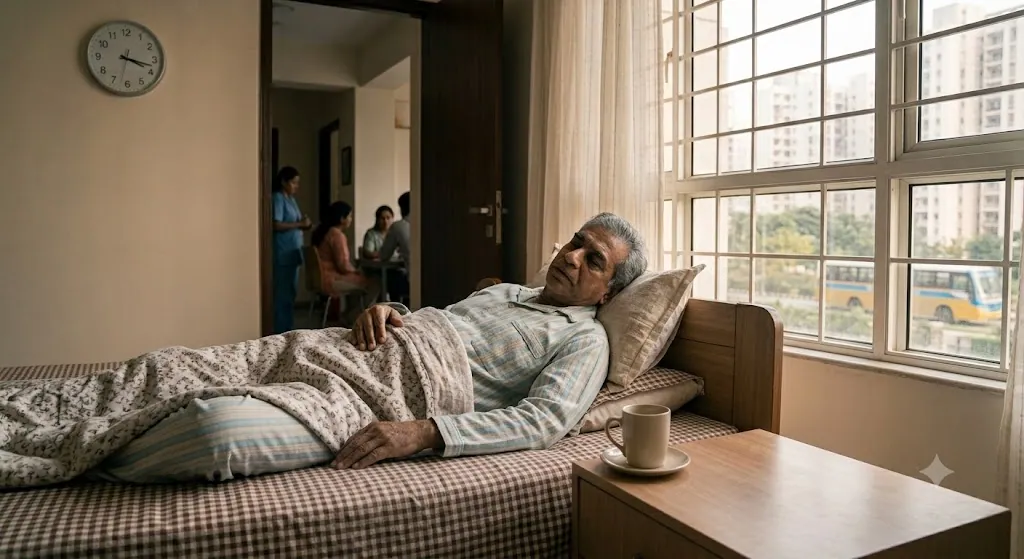
While typical muscle weakness causes might include temporary overexertion or standard osteoarthritis, this condition involves severe, symmetric, and progressive weakness of the proximal muscles—those closest to the trunk of the body, such as the hips, thighs, shoulders, and neck. Over time, patients find themselves unable to perform basic daily activities, like climbing stairs, lifting a grocery bag, or even standing up from a standard chair.
Clinical Focus: Because the early symptoms of muscle fatigue mimic common age-related wear-and-tear or vitamin deficiencies, patients in India routinely lose months or even years bouncing between general physicians before receiving an accurate specialist referral.
The Critical Need for Localized Campaigns
The primary barrier to managing this illness in India is the profound delay in securing an accurate diagnosis. In rural and semi-urban landscapes, and even within major metropolitan centers, initial complaints are frequently misdiagnosed. By the time a patient is finally referred to a specialized rheumatologist or neurologist, significant and sometimes irreversible muscle wasting or fibrotic tissue damage may have already occurred.
Furthermore, specialized medical care is highly centralized in India. Major medical institutions capable of conducting advanced diagnostic evaluations—such as Electromyography (EMG), specialized muscle MRIs, and precise muscle biopsies—are located primarily in tier-1 cities. Public campaigns are essential to educate primary care physicians, general practitioners, and physical therapists at the grassroots level, enabling them to recognize early warning signs and make timely referrals.
Bridging the Gap: The Vital Role of NGOs
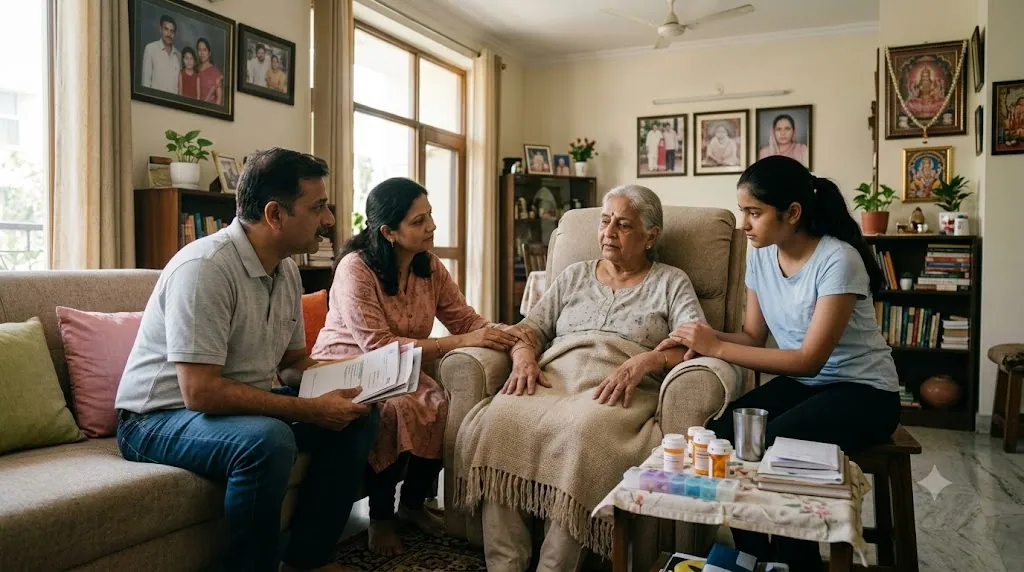
Medical intervention is only one half of the battle; the other half is emotional, social, and financial support. This is where the intervention of a dedicated healthcare NGO india becomes indispensable. Treatment regimens for this severe autoimmune muscle disease are intense and prolonged, often requiring high-dose corticosteroids, immunosuppressants, or advanced biologics like Intravenous Immunoglobulin (IVIG). These therapeutics place a crushing financial burden on families, particularly given the historically low penetration of comprehensive health insurance across the country.
A specialized myositis NGO india plays a dual role:
-
A Lifeline for Patients: They provide patients with verified information, psychological counseling, and peer support groups to fight the profound isolation that accompanies a rare diagnosis.
-
A Voice for Advocacy: These organizations act as powerful advocacy bodies. An NGO can lobby for government subsidies, advocate for the inclusion of myositis under national rare disease policies, and fund localized medical research to better understand how the disease behaves within the Indian demographic.
Conclusion
Raising the bar for rare disease awareness in India is a multifaceted challenge that requires a collaborative approach combining medical communities, patient advocacy groups, media outlets, and policymakers. By expanding the reach of a dedicated myositis awareness campaign indiawide and empowering a localized myositis NGO india, we can accelerate the diagnostic timeline, lower financial burdens through early intervention, and ultimately improve the quality of life for thousands of silent sufferers across the nation.
Frequently Asked Questions (FAQs)
1. What is myositis and how does it differ from regular muscle pain?
What is myositis is best explained as a chronic autoimmune muscle disease where the immune system attacks healthy muscle fibers, leading to progressive muscle weakness. Regular muscle pain (myalgia) is usually temporary, localized, and caused by overexertion, stress, or minor infections, whereas myositis causes long-term, disabling weakness, often without an obvious external cause.
2. What are the most common muscle weakness causes that people confuse with myositis?
Common muscle weakness causes include severe Vitamin D3 or B12 deficiencies, hypothyroidism, standard age-related muscle loss (sarcopenia), and chronic fatigue syndrome. Because these conditions are highly prevalent in India, doctors and patients frequently misattribute early myositis symptoms to these more common issues, delaying critical treatment.
3. Why is rare disease awareness so low in India?
Rare disease awareness remains low primarily because the healthcare system historically had to prioritize high-burden infectious diseases and maternal health. Additionally, rare diseases affect fewer people per capita, leading to less funding for medical training, public health campaigns, and specialized diagnostic infrastructure outside tier-1 cities.
4. How can a healthcare NGO india assist a newly diagnosed patient?
A healthcare NGO india can assist patients by offering access to discounted diagnostic tests, connecting them with specialized rheumatologists, and providing financial aid or subsidized medications. They also offer vital psychological support and patient education materials to help families navigate the complexities of managing a chronic illness.
5. How can I support a myositis NGO india or a myositis awareness campaign india?
You can support a myositis NGO india by volunteering your time, donating to help fund patient treatments, or sharing educational content on social media. Participating in or amplifying a local myositis awareness campaign india helps break the stigma, educates the public on early symptoms, and drives policymakers to include these conditions in national healthcare support frameworks.