Myositis Explained: The Meaning and Implications for Patients and Families
Explore myositis, its significance for patients and families, and gain insights into symptoms, treatment, and coping strategies for better management.
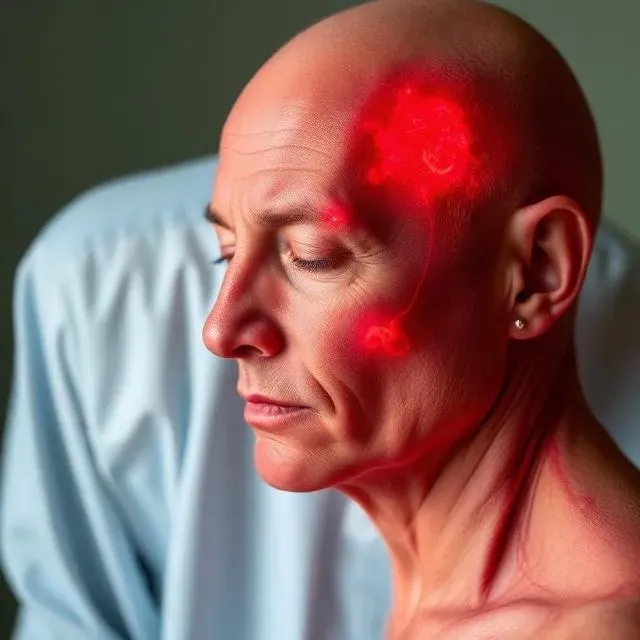
Idiopathic inflammatory myopathies or Myositis refer to a group of rare autoimmune diseases primarily characterised by muscle inflammation but can affect multiple organs. While muscle weakness is the hallmark symptom, myositis can also affect other organs, including the skin, lungs, joints, heart, and gastrointestinal system. The conditions are heterogeneous in symptoms and diagnostic test results, leading to variability among patients even with the same diagnosis.
Types of Myositis
There are 6 major types of Myositis:
1. Polymyositis (PM): It is characterised by weakness and inflammation in multiple muscles. ("Poly" = many, "myo" = muscle, "itis" = inflammation)
2. Dermatomyositis (DM): Includes skin inflammation along with muscle inflammation ("dermato" = skin).
3. Inclusion Body Myositis (IBM): This type typically affects men over 50. Muscle weakness commonly involves hand grip and knee extensors.
4. Anti-Synthetase Syndrome (ASS): This commonly affects the lungs, causing interstitial lung disease. It also involves muscles and skin, with rashes similar to dermatomyositis. Classic signs include:
■ Mechanic’s hands (rough, cracked skin on fingers)
■ Presence of certain specific antibodies in blood
■ Interstitial lung disease
5. Immune-Mediated Necrotizing Myopathy (IMNM): IMNM presents itself with muscle weakness and is marked by very high blood levels of muscle breakdown markers.
6. Juvenile Dermatomyositis (JDM): It occurs in children under 18 years of age where the child develops skin rash and muscle inflammation.
Myositis can coexist with other autoimmune disorders such as lupus and scleroderma. This overlap complicates diagnosis and management.
Symptoms of Myositis
● Muscle Weakness: Often develops gradually over weeks to months. Patients may find difficulty with activities like climbing stairs, rising from chairs, lifting objects, or holding items.
● Muscle Pain and Fatigue: Not all patients experience pain, but fatigue is common.
● Skin Rashes: Several distinctive rashes may appear:
○ Gottron’s papules: on the back of the hands
○ V-sign: rash over the upper chest
○ Shawl sign: rash over upper back and neck
○ Malar rash: on the face
○ Heliotrope rash: redness/swelling around eyelids
● Lung Involvement: Inflammation can cause shortness of breath and cough, often misdiagnosed as pneumonia.
● Joint Involvement: Arthritis-like symptoms with swelling, tenderness, and stiffness, commonly affecting knuckles and hands bilaterally.
● Swallowing Difficulties: Muscle inflammation can impair the swallowing apparatus, causing trouble swallowing solid foods more than liquids.
● Vascular Symptoms: Raynaud’s phenomenon, characterized by reversible fingertip color changes (white, red, or violet) triggered by cold exposure.
● Heart Involvement: Inflammation can affect the heart muscle, lining, or electrical system, causing chest pain, palpitations, or shortness of breath.
● Systemic Symptoms at Onset: Fever, weight loss, and severe fatigue are common initial presentations.
Diagnosis of Myositis
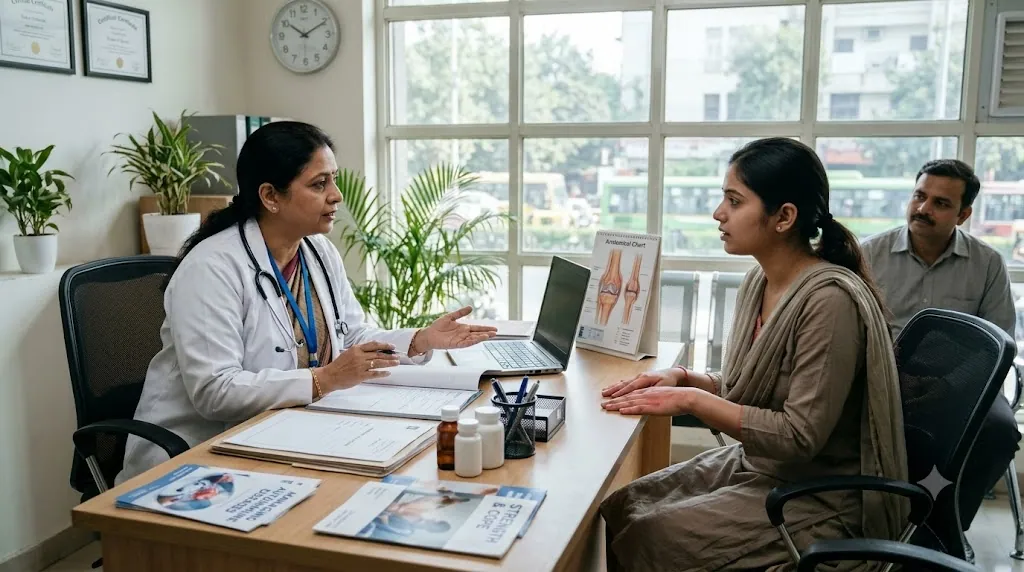
Initial evaluation for Myositis usually begins with a general physician or primary care doctor when the patient is presenting symptoms such as muscle weakness or rash. Early symptoms often mimic other illnesses, requiring further specialist referral.
Specialists involved in diagnosis typically include rheumatologists, neurologists, and dermatologists. In some countries, trained internal medicine doctors may also make the diagnosis.
The diagnostic tests could involve:
I. Muscle Enzymes: Muscle damage is measured. Creatine Kinase (CK) is most commonly elevated (>1000 in Myositis). Other enzymes include aldolase, AST, ALT, and LDH. Not all patients show elevated enzymes (~70-80% do).
II. Electromyography (EMG) and Nerve Conduction Study (NCS): Differentiates muscle weakness origin—muscle vs. nerve or neuromuscular junction. Useful to identify muscles for biopsy.
III. Muscle MRI: Non-invasive imaging showing muscle edema/swelling. Helps select biopsy site and differentiate Myositis subtypes. Increasingly preferred over EMG due to comfort.
IV. Muscle biopsy/skin biopsy: Confirms diagnosis by examining tissue pathology. Muscle biopsy sites selected based on EMG or MRI findings (commonly deltoid or thigh muscles). Skin biopsy used when rash is present.
V. Myositis autoantibodies: Panel of 15-17 antibodies; helpful for diagnosis, prognosis, and guiding treatment. Present in ~60-70% of cases but not mandatory for diagnosis.
Care Approach for Myositis
Managing Myositis along with daily routine comes with its own set of challenges:
● Lifestyle adjustments frequently involve self-care and possible temporary work breaks to manage symptoms effectively.
● Fatigue and Muscle Endurance: Fatigue and decreased muscle endurance are primary symptoms. Patients need to learn their body's limits through a process of trial and error, adjusting daily activity based on recent experiences to avoid overexertion.
● Dietary Considerations: General recommendations focus on:
■ Avoiding processed foods
■ Adopting a whole foods dietary approach
■ Maintaining a normal body weight, which is crucial because excess fat cells contribute to inflammation.
Protein intake is considered beneficial for satiety and energy but lacks direct evidence for disease-specific benefits.
● Inflammation and Weight Control: Myositis involves inflammatory tissues, so weight management may reduce the overall inflammatory burden on the body, which is particularly important when muscle strength is compromised.
● Complementary Treatment
○ Acupuncture is noted for empirical benefits in reducing muscle tension and promoting a sense of well-being, though rigorous studies are lacking.
○ Creatine supplementation is a muscle-enhancing option with minimal risk, though evidence of its effectiveness in polymyositis is sparse. A three-month trial period is suggested if patients choose to try it.
○ Vitamin D deficiency is common and potentially significant because Vitamin D receptors are present in muscle tissue. Optimising its levels may help muscle strength.
● Holistic Self-Care Approaches: One can consider massage, meditation, and a holistic approach as crucial adjuncts to medical treatment. Self-care is portrayed not only as symptom management but also as integral to the healing process.
Practical Ways to Support a Person with Myositis
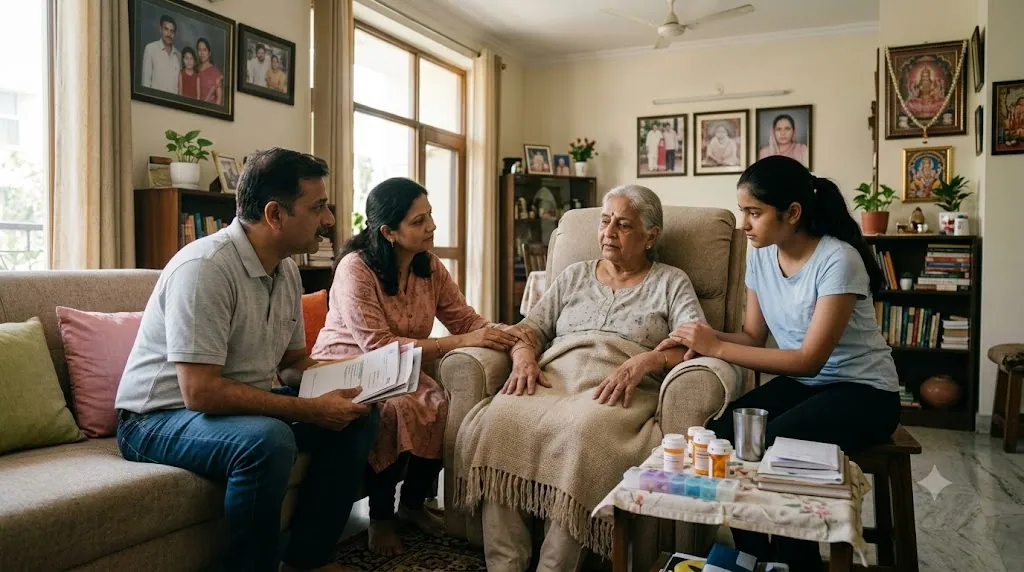
Myositis does not affect only the person diagnosed. Families and caregivers often become silent partners in the journey.
● Believe the fatigue and weakness: Understand that these symptoms are real, fluctuating, and not visible from the outside. Avoid labelling the person as lazy or unmotivated on low energy days.
● Help pace daily activities: Encourage the patient to break tasks into smaller parts with rest intervals. Support them in spreading work across the week rather than finishing everything in one day.
● Assist without taking away independence: Offer help with physically demanding tasks such as lifting, climbing, or prolonged standing, but allow them to do what they comfortably can to maintain confidence and muscle use.
● Be observant of subtle changes: Notice increased difficulty in walking, swallowing, breathing, or speaking. Early observation can prevent complications and prompt timely medical attention.
● Support medical routines: Help track medicines, appointments, physiotherapy schedules, and test dates. Many patients feel overwhelmed managing these alone.
● Create a fall-safe home environment: Remove loose rugs, ensure good lighting, install handrails if needed, and arrange frequently used items within easy reach.
● Encourage balanced nutrition and hydration: Help prepare simple, nutritious meals and ensure regular fluid intake, especially when fatigue makes cooking difficult.
● Promote gentle movement and exercise adherence: Motivate the patient to continue prescribed exercises without pushing beyond their limits.
● Offer emotional reassurance without constant reminders of illness: Engage in normal conversations and activities to prevent the person from feeling defined by the disease.
● Take care of your own well-being: Share responsibilities with other family members, seek support groups, and take breaks to avoid caregiver burnout.
FAQs
1) Can myositis go into remission?
Yes, many patients achieve remission or low disease activity with timely treatment, though monitoring is required as relapses can occur.
2) Is myositis contagious or hereditary?
No, myositis is neither contagious nor directly inherited, though autoimmune tendencies may run in families.
3) How long does treatment usually continue?
Treatment is often long term and may continue for years, depending on disease activity and response to therapy.
4) Can children with Juvenile Dermatomyositis recover fully?
With early treatment, many children recover well and lead active lives, though regular follow up is essential.
5) Does stress worsen myositis symptoms?
Chronic stress can aggravate immune activity and fatigue, making stress management an important part of care.