Living with Myositis: Personal Stories and Insights from Patients Navigating Inflammatory Myopathy in the Indian Context
Explore personal stories and insights from patients living with Myositis in India, shedding light on their experiences with inflammatory myopathy.

Living with an inflammatory myopathy such as myositis is rarely a straight road. It is a gradual unfolding. A body that once moved without thought begins to hesitate. Stairs feel taller. Chairs feel lower. A comb feels heavier than it should. And before a name is given to this quiet betrayal of muscle strength, confusion and self doubt often set in. Across India, many people living with autoimmune diseases like Myositis still travel a long and uncertain path before receiving a correct diagnosis. Awareness is limited. Early symptoms are easily mistaken for fatigue, ageing, stress, nutritional deficiency, or even psychological distress. By the time the right tests are done and the right specialist is consulted, months may have passed.
The experience of myositis treatment in India is therefore not only medical. It is deeply personal, emotional, and social. It involves learning to live differently, to ask for help, to balance medicines with movement, and to rebuild confidence in a body that no longer behaves as it once did.
The Common Journey Many Patients in India Experience
For a large number of patients, the first symptom is subtle muscle weakness. There may be difficulty climbing stairs, getting up from the floor, lifting objects overhead, or even swallowing food. Some notice rashes. Others feel persistent fatigue that rest does not resolve. The first doctor visit often leads to routine tests. Vitamin supplements may be prescribed. Some patients are told they are overworked or anxious. During this period, the disease continues to progress quietly.
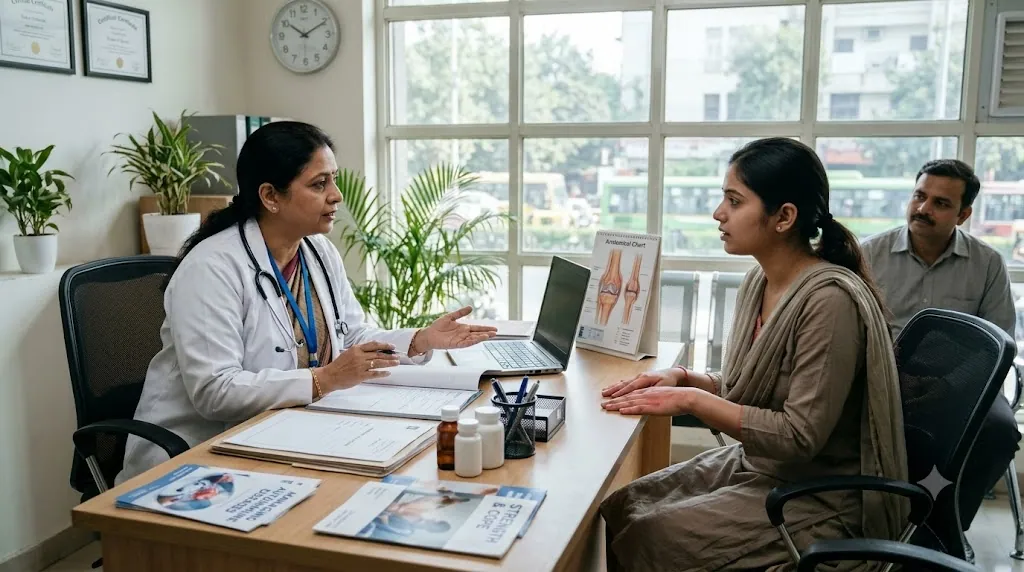
A turning point usually comes when a doctor checks the creatine kinase level or recognises a pattern of proximal muscle weakness. Referral to a rheumatologist or neurologist follows. Further tests such as muscle MRI, autoantibody panels, or biopsy confirm the presence of inflammatory myopathy. Then begins the long term journey of myositis treatment. Steroids are started. Immunosuppressive medicines are added. Physiotherapy becomes a regular part of life. Patients learn to pace their activities. Families learn to provide support without taking away independence.
In this process, community support becomes invaluable. Many patients find reassurance in hearing from others who have walked this path before them. Within the Myositis India community, such shared stories often become quiet sources of strength. The journeys of three patients illustrate this lived reality in deeply human ways.
Mr. Prashant Varma: When Symptoms Are Dismissed
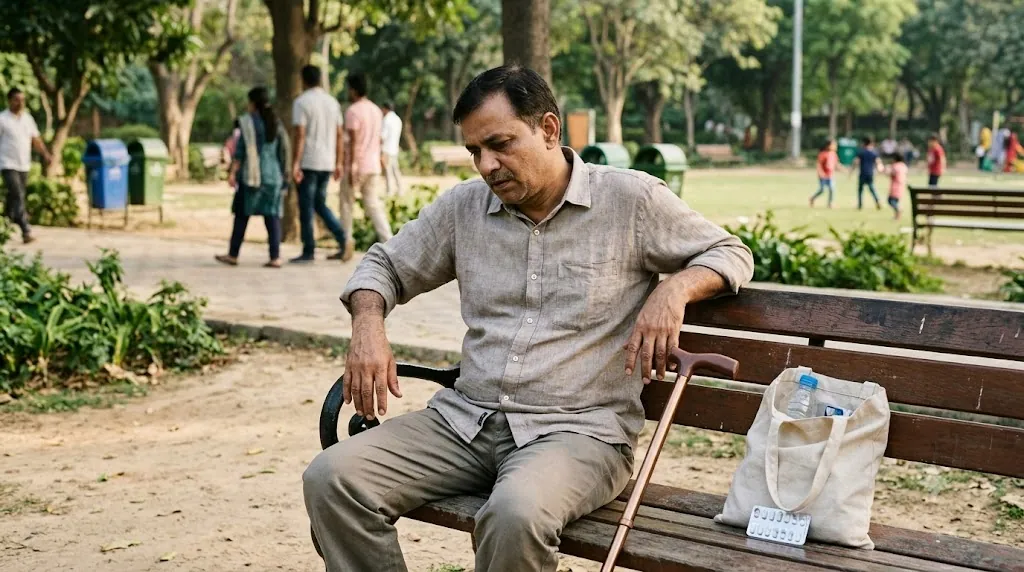
In August 2020, during the height of the COVID pandemic, Mr. Prashant Varma began noticing that his muscles felt sore and weak. Sitting down and standing up became difficult. Swallowing food became a challenge. What he managed to swallow would often come back up. One side of his jaw swelled, which he initially mistook for a dental problem. Being physically active all his life, this change felt alarming. He consulted doctors. COVID tests were done. Blood tests were done. Everything came back normal. He was told that the problem might be psychological. For a brief period, he stopped seeking medical help while his condition worsened. Finally, another doctor decided to check his CK levels. The result was strikingly high. This prompted suspicion of myositis, and treatment began. From his first symptom on 20 August 2020 to his diagnosis on 12 December 2020, he had consulted four doctors. Those months were marked by confusion, deterioration, and the emotional strain of not being believed. His story reflects what many patients experience. Early symptoms are misunderstood. Diagnosis is delayed. By the time myositis treatment starts, the disease has already advanced. Yet, once the correct diagnosis was made, structured treatment and support helped stabilise his condition.
Mr. Chintan Shinde: Growing Up with Myositis
Mr. Chintan Shinde’s journey began much earlier, in 1991, when he was just seven years old. He remembers feeling exhausted after walking a short distance and his muscles would cramp. His parents were worried and consulted multiple doctors before a diagnosis was finally reached. At that time, awareness about inflammatory myopathy was minimal. Treatment meant heavy doses of steroids and frequent physiotherapy visits. His paediatrician played a vital role by staying involved and supportive. Despite pain and fatigue, Chintan continued schooling. He practised Taekwondo for three years. He cycled. He studied. He pushed through discomfort. He also remembers experiencing brain fog, which he managed with repeated revision and concentration exercises. In his early twenties, he noticed something unusual while climbing stairs. His strength seemed to decrease and he suspected his polymyositis was returning. Doctors advised him to continue physiotherapy, as there were no additional treatment options for polymyositis at the time. His story highlights resilience across decades. It shows how myositis treatment in earlier years relied heavily on steroids and physiotherapy, and how determination, routine, and family support helped him build a full academic and personal life despite the disease.
Mrs. Jayasheela Kaluti: Living with Inclusion Body Myositis
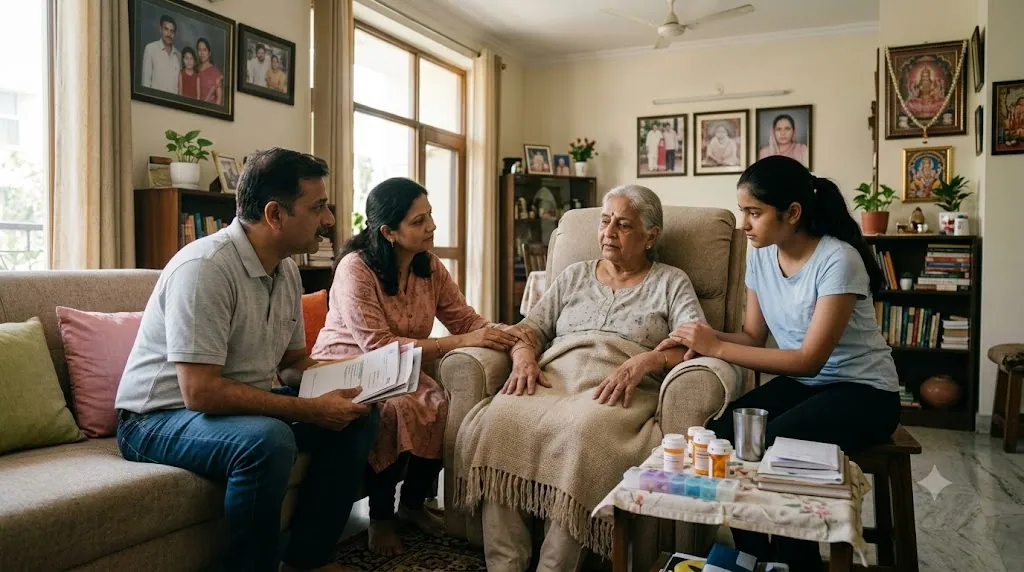
Mrs. Jayasheela Kaluti from Belgaum was diagnosed with Inclusion Body Myositis at NIMHANS Bengaluru about five years ago. Her story is shared by her husband, who has been a constant and primary caregiver and companion in her journey. Before treatment guidance, she frequently lost balance while walking and found it difficult to get up from a seated position. Daily life required increasing assistance. Following advice from specialists, the family adopted a routine of physiotherapy, yogasan, and supportive therapies. Over time, these measures helped her regain some independence. She can now do small cooking tasks and manage daily activities with limited support. The improvement is not dramatic but meaningful. Her confidence has returned and routine has stabilised. This has helped restore the family’s hope. Her family is now exploring advanced options such as CAR T cell therapy under medical guidance. Along the way, encouragement from other myositis warriors and support from doctors has strengthened their resolve. Her story shows how, in conditions like IBM where medicines have limited effect, consistent physiotherapy, family support, and adaptive living can make a significant difference in quality of life.
What These Stories Teach Us
These three journeys differ in age, subtype, and timeline, yet they share common threads. Delay in myositis diagnosis is frequent. Emotional strain is significant. Physiotherapy becomes central to life. Family support is indispensable and community encouragement matters deeply. They also reflect how myositis treatment in India has evolved. From limited awareness and heavy steroid dependence to more structured care, specialist guidance, and patient communities that offer shared knowledge. Living with inflammatory myopathy is not only about managing inflammation. It is about learning patience, redefining strength, and finding confidence in small daily victories. For many patients, the road to stability begins not just with medicines, but with understanding, persistence, and connection with others who truly understand what living with myositis feels like. Across journeys like these, the presence of a patient community often becomes as important as the prescription itself. Myositis India plays a quiet but powerful role in helping patients and families feel less alone. By offering reliable information, connecting patients with specialists and clinical trial centres, guiding them through medical terminology, and creating spaces where stories can be shared without judgement, the organisation becomes a bridge between diagnosis and hope. Patients, caregivers, and well wishers are encouraged to register, participate, and become part of this growing support network so that no one has to navigate myositis in isolation.
FAQs Q1. How should daily activities be managed when living with myositis? Energy levels in myositis fluctuate. It helps to plan the day in small segments, with rest periods between tasks. Avoid overexertion on good days, as this often leads to severe fatigue the next day. Q2. Is exercise safe for someone with inflammatory myopathy? Yes, when supervised and planned properly. Gentle resistance exercises, stretching, and guided physiotherapy improve muscle strength and endurance without worsening inflammation. Q3. What kind of support do caregivers need to provide? Caregivers should assist without taking away independence. Encouragement, help with physiotherapy routines, monitoring medicines, and emotional reassurance are often more valuable than physical assistance alone. Q4. How can patients cope emotionally with a long term autoimmune condition? Connecting with other patients, maintaining a routine, practising meditation or relaxation techniques, and seeking counselling when needed can help manage the emotional weight of the condition. Q5. What lifestyle habits can make living with myositis easier over time? Balanced nutrition, regular physiotherapy, adequate sleep, sun protection in dermatomyositis, and consistent follow up with doctors help maintain stability and prevent flare ups.